Classical Ayurveda does not have a single category called "stress" - the concept is too broad for the specificity that Ayurvedic diagnostics demands. Instead, Ayurveda differentiates stress responses by Dosha, recognising that the same external pressure produces fundamentally different internal reactions depending on constitutional type. This differentiation is not merely philosophical - it determines which interventions will actually help, because the approach that calms Vata anxiety may aggravate Pitta frustration, and vice versa.
The Charaka Samhita addresses mental disturbance through three qualities of the mind - Sattva (clarity), Rajas (agitation), and Tamas (inertia) - and describes how Dosha imbalance disturbs the mind by amplifying Rajas or Tamas at the expense of Sattva.
How Each Dosha Responds to Stress
Vata Stress: Anxiety, Fear, and Overwhelm
Vata responds to stress through its mobile, light, erratic qualities. The Vata stress response is anxiety - racing thoughts, catastrophic thinking, inability to focus, sensory overwhelm, insomnia, restlessness, and a feeling of being scattered in too many directions simultaneously. Physically, Vata stress manifests as tension in the jaw, neck, and shoulders, digestive irregularity (bloating, constipation, variable appetite), dry skin, and fatigue from nervous exhaustion.
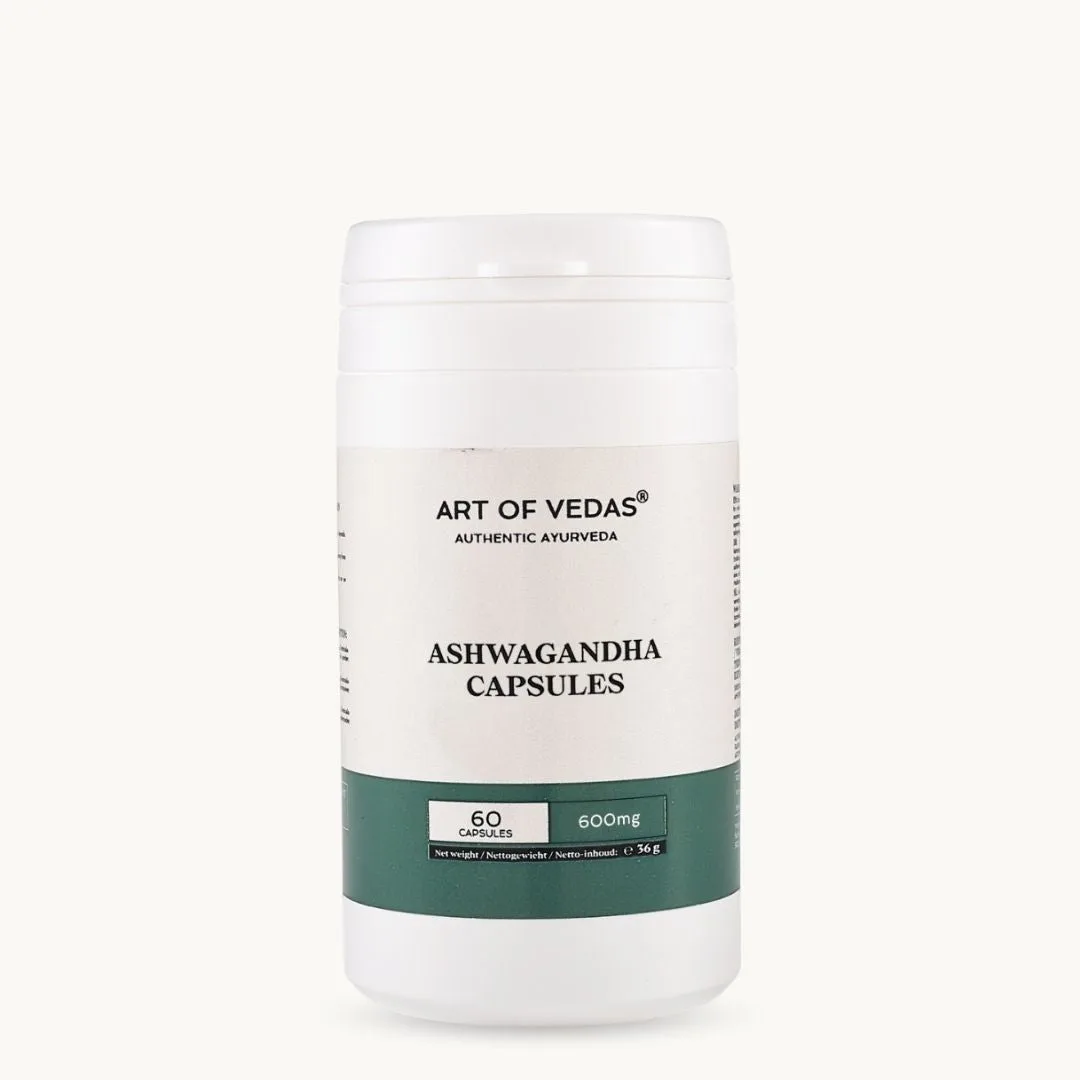
Classical approach: Ground, warm, nourish, regulate. The most important intervention is routine - Dinacharya provides the rhythmic predictability that Vata's scattered quality desperately needs. Warm Abhyanga with sesame oil calms the nervous system through sustained, warm, unctuous touch. Ashwagandha - classified as Medhya Rasayana (nervous system rejuvenative) and Balya (strengthening) - is the primary Vata stress herb. Warm, nourishing food at regular times. Adequate sleep. Reduced stimulation, travel, and sensory input.
Pitta Stress: Anger, Irritability, and Control
Pitta responds to stress through its sharp, hot, intense qualities. The Pitta stress response is anger - irritability, criticism, controlling behaviour, impatience with others' perceived incompetence, and a burning frustration that nothing is moving fast enough or well enough. Pitta stress is directed outward at targets. Physically, it manifests as acid reflux, heartburn, skin eruptions, headaches, eye strain, and the inflammatory responses that accompany chronic anger.
Classical approach: Cool, moderate, release control. The Pitta intervention is essentially the opposite of Vata's - where Vata needs more structure, Pitta needs to release its grip on structure. Cooling Abhyanga (coconut oil), time in nature near water, non-competitive leisure, creative outlets that have no performance metric. Brahmi - the cooling Medhya Rasayana - directly counteracts the mental heat that Pitta stress generates. Reduced work hours, delegation, and the conscious admission that not everything requires personal control.
Kapha Stress: Withdrawal, Depression, and Resistance
Kapha responds to stress through its heavy, slow, stable qualities - but in a pathological direction. The Kapha stress response is withdrawal - emotional numbness, avoidance, oversleeping, comfort eating, refusal to engage with the stressor, and a progressive heaviness that can deepen into depression if sustained. Physically: weight gain, lethargy, excessive sleep that is not refreshing, congestion, and a pervasive sense of being stuck.
Classical approach: Stimulate, lighten, mobilise. The Kapha intervention requires energy and movement - vigorous exercise (the most important single intervention for Kapha stress), new experiences, social engagement (resisting the urge to isolate), lighter diet, warming spices, and the deliberate breaking of comfort routines that have become avoidance patterns. Nasya and invigorating Abhyanga with stimulating technique help mobilise the stagnant Kapha energy.