This article is part of our How to Balance Your Dosha: The Classical Ayurvedic Seasonal Approach guide series.
Autumn is the season when Vata comes into its full power. The qualities are unmistakable - cold winds replace summer warmth, moisture disappears from the air, leaves dry and scatter, daylight contracts, and the entire environment takes on Vata's signature: dry, cold, light, mobile, rough, and irregular. For anyone with Vata in their constitution (and to some degree, for everyone - autumn affects all types), this seasonal shift is the most important transition of the year to manage consciously.
The Ritucharya chapter of the Charaka Samhita describes autumn as the season when Vata that has been pacified by summer's warmth begins to accumulate and aggravate. The Pitta that accumulated during summer also releases at this transition, creating a brief but potent Pitta-Vata overlap in September and early October - the period when the widest range of seasonal complaints are traditionally described.
What Happens in the Body
Digestion: Agni begins strengthening as external temperatures drop (the body increases internal fire to compensate). But Vata's erratic quality can turn this strengthening Agni into Vishama Agni - irregular digestion - if meals are irregular, cold, or insufficient. The result: a sense of bloating that comes and goes, variable appetite, and the digestive unpredictability that is Vata's hallmark.
Skin: Environmental dryness draws moisture from the skin's surface. The combination of cold air outside and heated air inside creates a double drying effect familiar in the European autumn-winter climate. Skin can feel dry, rough, and uncomfortable - particularly on the hands, lips, and face.
Sleep: Vata's light, mobile quality unsettles sleep as the season deepens. Difficulty settling at night, waking between 2-4 AM, light and unrefreshing sleep - these are classic autumn Vata patterns.
Nervous system: A sense of restlessness, difficulty concentrating, and feeling "scattered" can intensify as Vata rises. The transition back to indoor living, shorter days, and the loss of summer's expansive energy produces a psychological contraction that Vata-sensitive individuals feel acutely.
The Autumn Survival Protocol
Oil Everything
This is the season when Abhyanga shifts from valued to essential within the daily ritual. Daily warm sesame oil massage - full body when possible, feet and ears daily at minimum. The oil creates a comforting layer against environmental dryness while nourishing the skin from the outside in.
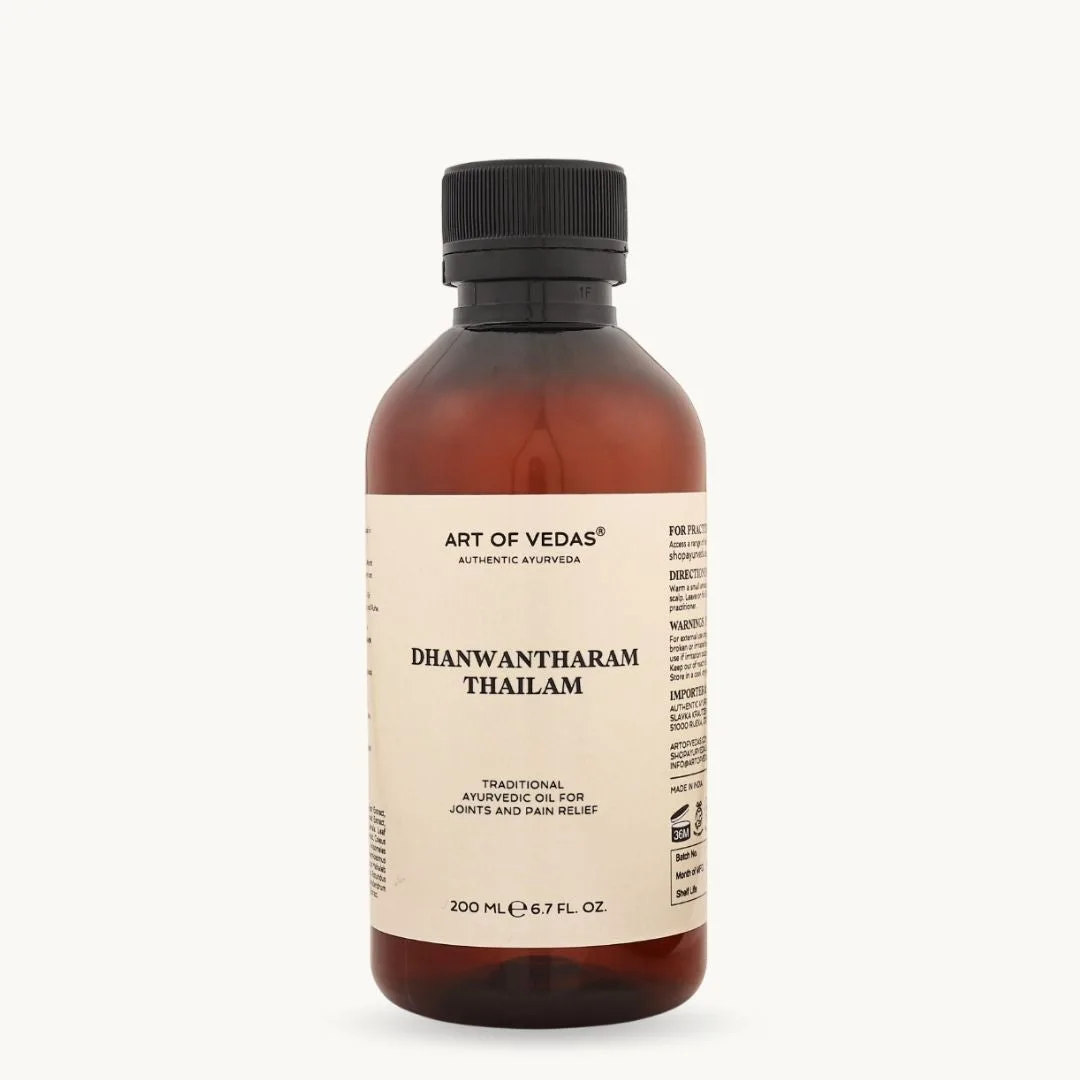
Upgrade to herbed Thailams for a richer ritual. Dhanwantharam Thailam and Mahanarayana Thailam are classical Vata-season formulations. The oil selection guide covers the specific options.
Nasya becomes a valued part of the routine - the nasal passages are Vata's primary entry point, and autumn's dry winds reach them directly. Two drops of Anu Thailam or sesame oil in each nostril every morning is a traditional way to comfort the nasal passages and support Prana Vayu.
Warm, Nourish, Regulate
Shift decisively to the Vata diet - warm, cooked, oily, sweet, sour, salty. Soups, stews, porridge, root vegetables, ghee liberally. No raw salads, no cold smoothies, no ice water. This is the season for the kitchen to become your apothecary of nourishing food.
Meal timing becomes non-negotiable. Three warm meals at consistent daily times. No skipping. No eating on the go.
Begin Rasayana Season
Autumn is when to start or intensify your Rasayana practice. Chyavanprash - one to two teaspoons daily, ideally with warm water - is traditionally valued for comprehensive tissue nourishment and seasonal vitality through the cold months ahead. Ashwagandha - the premier Vata-pacifying herb - is traditionally valued for supporting balance during autumn's Vata rise.
Routine as Remedy
Increase the structure and regularity of your Dinacharya. Same wake time daily (ideally before sunrise). Same bed time (earlier than summer - aim for 10 PM). Same meal times. Same practices in the same order. This rhythmic predictability is the single most powerful Vata-pacifying intervention available, and autumn is when it matters most.
Warmth and Shelter
Reduce exposure to cold wind. Warm clothing (especially the ears, neck, and lower back - primary Vata vulnerability zones). Warm baths. Warm rooms. Warm everything. Minimise unnecessary travel (travel aggravates Vata through its movement, irregularity, and environmental exposure).
When to Seek Support
If autumn consistently feels challenging for you - restlessness, unsettled sleep, irregular digestion, dry or uncomfortable skin, physical stiffness - this suggests a Vata-sensitive constitution that would benefit from professional guidance rather than self-management alone. An Ayurvedic consultation before or at the start of autumn season allows your practitioner to design a personalised seasonal programme that addresses your specific Vata sensitivities with care.
Take our Dosha test to assess your autumn sensitivity, and use the Vata guide to understand the full picture of how Vata operates in your body and mind.
Classical Ayurvedic seasonal knowledge for educational purposes. Not medical advice.