

Ayurvedic Treatments: An Overview of Classical Therapies
This article is part of our Ayurvedic Herbs: A Guide to Classical Medicinal Plants guide series.
Ayurvedic treatments encompass a broad range of external and internal therapies that have been applied within the classical Indian medical system for thousands of years. From daily self-massage to multi-day Panchakarma programmes, Ayurveda offers therapeutic methods suited to every stage of life and every constitution.
This guide gives you a structured overview of the most important Ayurvedic treatments - their classical foundations, their application, and which ones are suited to home practice.
External Ayurvedic treatments
Abhyanga - oil massage
Abhyanga is the classical Ayurvedic full-body massage with medicated oil (Thailam). It forms part of the recommended daily routine (Dinacharya) and is described in detail in the Charaka Samhita. Abhyanga is practised both as a home self-massage and as a professional treatment. For home use, classical oils such as Mahanarayana Thailam, Dhanwantharam Thailam, or Ksheerabala Thailam are excellent choices.
Shirodhara - forehead oil stream
In Shirodhara, a continuous stream of warm oil is poured across the forehead. This treatment is performed exclusively by trained Ayurvedic therapists and forms a central part of many Panchakarma programmes. Brahmi-based oils or classical head oils are commonly used.
Kizhi (Pinda Sweda) - herbal bolus massage
Kizhi refers to treatments in which herb-filled cloth boluses are applied to the body. The warmed herbal bolus is gently pressed onto the skin and glided across specific body areas. Different variants are used depending on the goal and constitution: Ela Kizhi (fresh herbs), Njavara Kizhi (milk and rice treatment), and others.
Pizhichil - continuous oil treatment
Pizhichil, sometimes called "the king of Ayurvedic treatments", is an intensive treatment in which warm oil is poured over the entire body while being simultaneously massaged in. It requires a professional setting with qualified therapists.
Nasya - nasal therapy
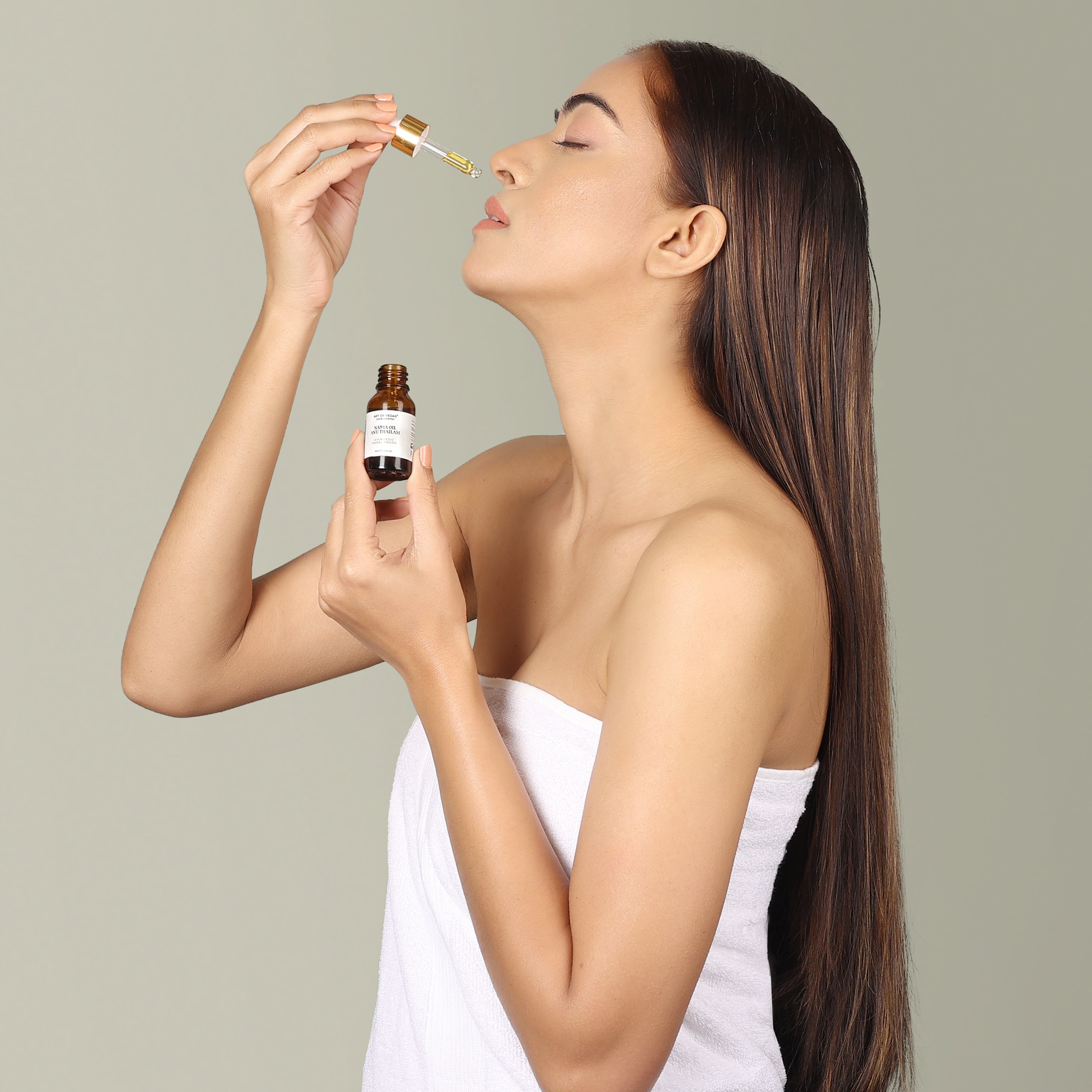
Nasya is the nasal therapy of Ayurveda. It involves the introduction of oil into the nasal passages to traditionally support the upper respiratory tract and head region. For home practice, classical nasal oils such as Anu Thailam - described in the Ashtanga Hridayam - are suitable. Nasya is counted as part of the daily morning Ayurvedic routine.
Basti treatments - localised oil pools
Basti treatments refer to the application of warm oil within a sealed area of the body. Well-known variants include Kati Basti (lower back), Janu Basti (knee), and Greeva Basti (neck). A ring of dough is placed on the skin, filled with warm oil, and left for a set period. These treatments are performed by Ayurvedic therapists.
Garshana - dry massage
Garshana is a dry massage technique performed with a coarse glove or brush. In Ayurveda it is traditionally described as a stimulating practice - particularly recommended for Kapha constitutions as a preparatory step before Abhyanga or as a standalone morning routine.
Internal purification therapies (Panchakarma)
Panchakarma is the classical five-part purification programme of Ayurveda. The term means literally "five actions". The five classical procedures are:
- Vamana - therapeutic emesis to remove excess Kapha
- Virechana - therapeutic purgation to clarify Pitta
- Basti - medicated enemas (herbal or oil enemas) to regulate Vata
- Nasya - nasal therapy to purify the head region
- Raktamokshana - bloodletting (rarely applied in modern practice)
Panchakarma programmes are conducted exclusively under the supervision of trained Ayurvedic physicians or therapists and typically require a preparatory phase (Purvakarma) involving oil treatments (Snehana) and sweat therapies (Svedana).
Treatments suited to home practice
Not all Ayurvedic treatments require a therapist. The following practices are well suited to daily self-care at home:
- Abhyanga (self-massage with oil) - daily, 10–20 minutes
- Shiro Abhyanga (head oil massage) - several times per week
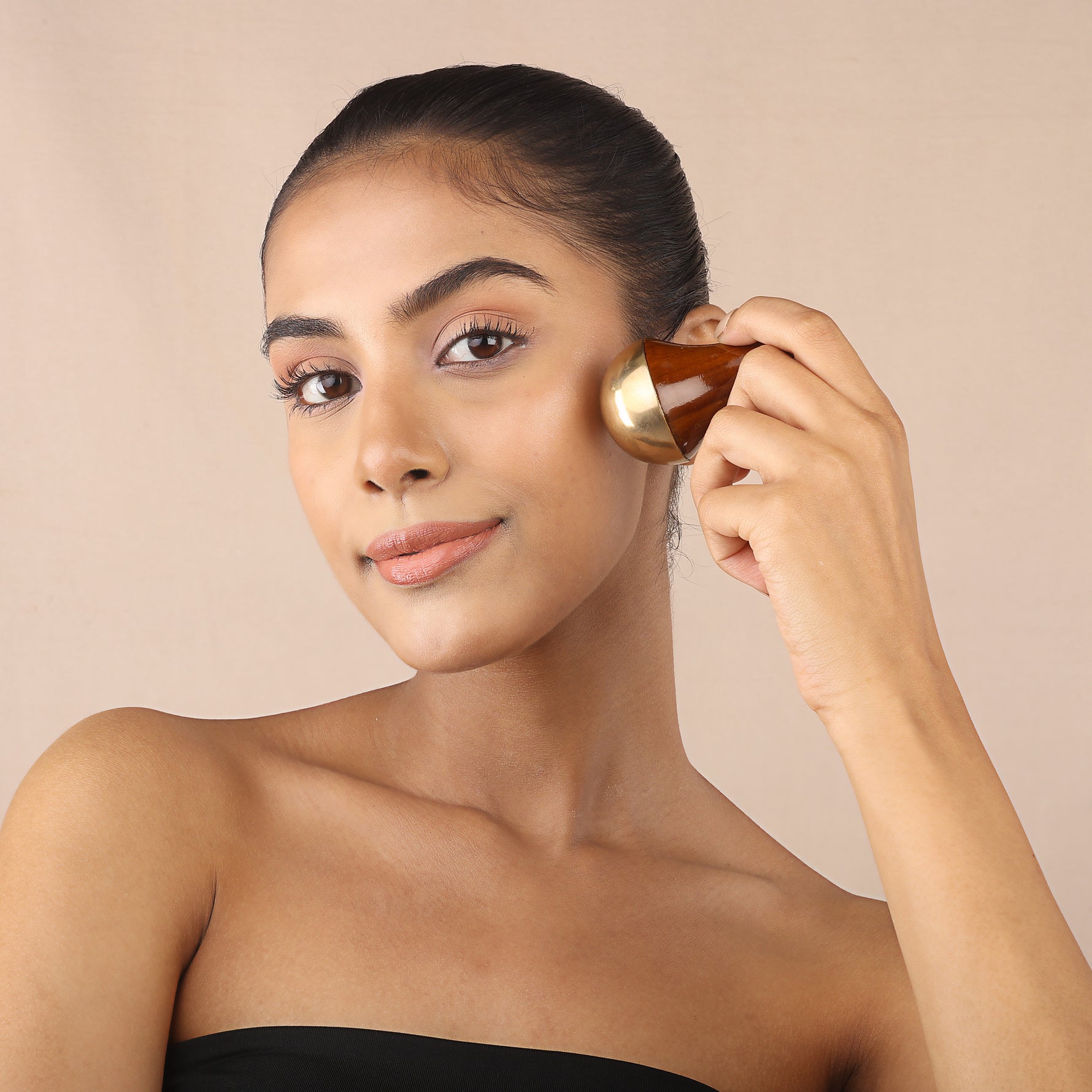
- Mukha Abhyanga (facial oil massage) - daily or as needed
- Padabhyanga (foot massage) - in the evening, ideally before sleep
- Nasya (2–5 drops of nasal oil) - in the morning as part of Dinacharya
- Kavala Graha / Gandusha (oil pulling) - in the morning, 5–15 minutes
Finding the right treatment
Which Ayurvedic treatment is right for you depends on your individual constitution (Prakriti), your current imbalance (Vikriti), and your goal. For a professional assessment, we recommend consulting a qualified Ayurvedic therapist. For general self-care, classical oil massages such as Abhyanga can be integrated into everyday life by most people without difficulty.
Art of Vedas offers classical Ayurvedic massage oils and tools suited to daily home practice - including Thailams, Kansa tools, nasal oils, and oral care products.
Note: The Ayurvedic treatments described here are intended for general information. Therapeutic treatments such as Panchakarma should always be carried out by qualified practitioners. Art of Vedas products are intended for external body care and as food supplements and are not a substitute for medical treatment.


