


Panchakarma Centers in Europe: What to Know Before You Go
This article is part of our Complete Guide to Panchakarma guide series.
What Is Panchakarma?
Panchakarma (literally "five actions") is the classical Ayurvedic system of intensive purification and rejuvenation therapies. Described in the foundational texts of Ayurvedic medicine, including the Charaka Samhita and Ashtanga Hridayam, Panchakarma is not a single treatment but a structured programme of preparatory, main, and post-treatment procedures designed to support deep cleansing and renewal.
The five classical procedures are Vamana (therapeutic emesis), Virechana (therapeutic purgation), two forms of Basti (medicated enema therapy), and Nasya (nasal administration). In practice, a Panchakarma programme also includes extensive preparatory therapies: Abhyanga (oil massage), Swedana (steam therapy), Shirodhara, Kizhi, and dietary protocols.
A complete Panchakarma programme typically runs 14 to 28 days. This is not a weekend retreat or a spa package renamed for marketing purposes. Authentic Panchakarma requires time, qualified supervision, and a dedicated treatment environment.
The Growing Availability of Panchakarma in Europe
Over the past two decades, Panchakarma has become increasingly available in Europe. Centres range from small practitioner-run clinics offering modified programmes to large residential facilities providing full classical Panchakarma under medical supervision.
Germany, Austria, Switzerland, the Netherlands, and the United Kingdom have the highest concentration of Panchakarma centres, though offerings exist across the continent including France, Spain, Italy, Portugal, and the Scandinavian countries. India-based practitioners have established clinics in several European cities, while European-trained Ayurvedic physicians increasingly open their own facilities.
This growth reflects genuine demand. European consumers increasingly seek structured health programmes grounded in recognised traditional systems, rather than one-off spa treatments. At the same time, the quality and authenticity of what is marketed as "Panchakarma" varies enormously. Understanding what constitutes authentic Panchakarma is essential before committing time and money to a programme.
Types of Panchakarma Centres in Europe
Residential Ayurveda Clinics
These are dedicated facilities where guests stay on-site for the duration of their programme. They offer the closest approximation to traditional Indian Panchakarma centres, with daily treatments, controlled diet, supervised rest, and medical oversight. Residential programmes typically run 14-28 days.
Advantages: immersive experience, consistent treatment schedule, dietary control, reduced external distractions, medical supervision available throughout.
Considerations: highest cost (typically 3,000-10,000 euros for a two-week programme), requires significant time commitment, limited availability (booking often months in advance).
Day-Treatment Centres
Clients attend daily for treatments but return home each evening. This model makes Panchakarma accessible to people who cannot take extended time away from work or family. Day programmes typically run 7-21 days, with daily treatment sessions of 2-4 hours.
Advantages: lower cost than residential, compatible with partial work schedules, client sleeps in their own bed (important for some), available in more locations.
Considerations: dietary compliance is harder to maintain at home, rest periods between treatments may be insufficient, external stressors (commuting, family obligations) can reduce the programme's effectiveness.
Hotel and Spa Programmes
Some wellness hotels and luxury spas offer "Panchakarma packages." These range from abbreviated programmes with genuine Ayurvedic content to marketing-driven packages that use the Panchakarma name without delivering its substance.
Advantages: comfortable accommodation, resort amenities, may combine Panchakarma with other wellness activities.
Considerations: clinical rigour varies widely; ask specific questions about practitioner qualifications, treatment protocols, and which of the five Panchakarma procedures are actually performed; a programme that includes only Abhyanga, Shirodhara, and steam is a preparatory treatment sequence, not Panchakarma.
How to Evaluate a Panchakarma Centre
Before booking a programme, ask the following questions. The answers will reveal whether the centre offers authentic Panchakarma or a simplified spa version marketed under the Panchakarma name.
Practitioner Qualifications
- Who supervises the programme? Is there a qualified Ayurvedic physician (BAMS degree or equivalent) on staff or available for consultation?
- What training have the therapists completed? Specifically in Panchakarma procedures, not just general massage or wellness therapy.
- Is there a pre-programme consultation? Authentic Panchakarma requires an individual assessment (Prakriti and Vikriti analysis) before the programme begins. A centre that offers a one-size-fits-all protocol is not delivering personalised Panchakarma.
Treatment Protocols
- Which of the five Panchakarma procedures does the centre actually perform? Some centres in Europe offer only the preparatory therapies (Abhyanga, Shirodhara, Swedana, Kizhi) without the main Panchakarma actions. This is valuable external therapy but should not be called Panchakarma.
- Does the programme include Basti (medicated enema therapy)? Basti is considered the most important of the five Panchakarma procedures in classical texts. Its inclusion is a strong indicator of authentic Panchakarma practice.
- Is there a structured progression? Authentic Panchakarma follows three phases: Purvakarma (preparation), Pradhana Karma (main procedures), and Paschat Karma (post-treatment rejuvenation). A programme that jumps directly to treatments without preparation or offers no post-treatment protocol is incomplete.
Dietary Programme
- Is there a specific dietary protocol during the programme? Classical Panchakarma includes a carefully managed dietary progression from normal food to simplified meals (often Kitchari-based) during the main treatment phase, then gradual return to normal diet.
- Who designs the meal plan? Is it based on individual constitutional assessment or a standard menu for all guests?
- Are meals prepared on-site with knowledge of Ayurvedic dietary principles?
Products and Materials
- What oils and herbal preparations does the centre use? Are they classically formulated Thailams or generic massage oils?
- Are the products EU-compliant with proper documentation?
- Does the centre use individual oil selections based on each client's constitution, or the same oil for everyone?
What to Expect During a Panchakarma Programme
Phase 1: Purvakarma (Preparation), Days 1-5
The first phase prepares the body for the main cleansing procedures. Daily treatments typically include:
- Abhyanga (warm oil massage) to begin oleation of the tissues
- Swedana (steam therapy) to open the channels
- Internal oleation: consuming small, increasing amounts of medicated ghee (Sneha Pana) on specific days; this is a distinctive feature of authentic Panchakarma
- Dietary simplification: meals become lighter and more easily digestible as the body prepares for cleansing
During Purvakarma, some guests experience temporary heaviness, fatigue, or mild digestive changes. These are expected responses to the oleation process and should be communicated to the supervising practitioner.
Phase 2: Pradhana Karma (Main Procedures), Days 5-14
The main Panchakarma procedures are selected based on individual assessment. Not every guest receives all five procedures. The practitioner determines which actions are appropriate based on the individual's constitution, current state, and the goals of the programme.
- Virechana (therapeutic purgation): the most commonly administered main procedure in European centres; involves taking a herbal preparation that promotes thorough intestinal cleansing; typically performed on a single designated day after adequate preparation
- Basti (medicated enema): a series of herbal oil and decoction enemas administered over several days; Basti is traditionally considered the most important and versatile of the five procedures, particularly for Vata-related conditions
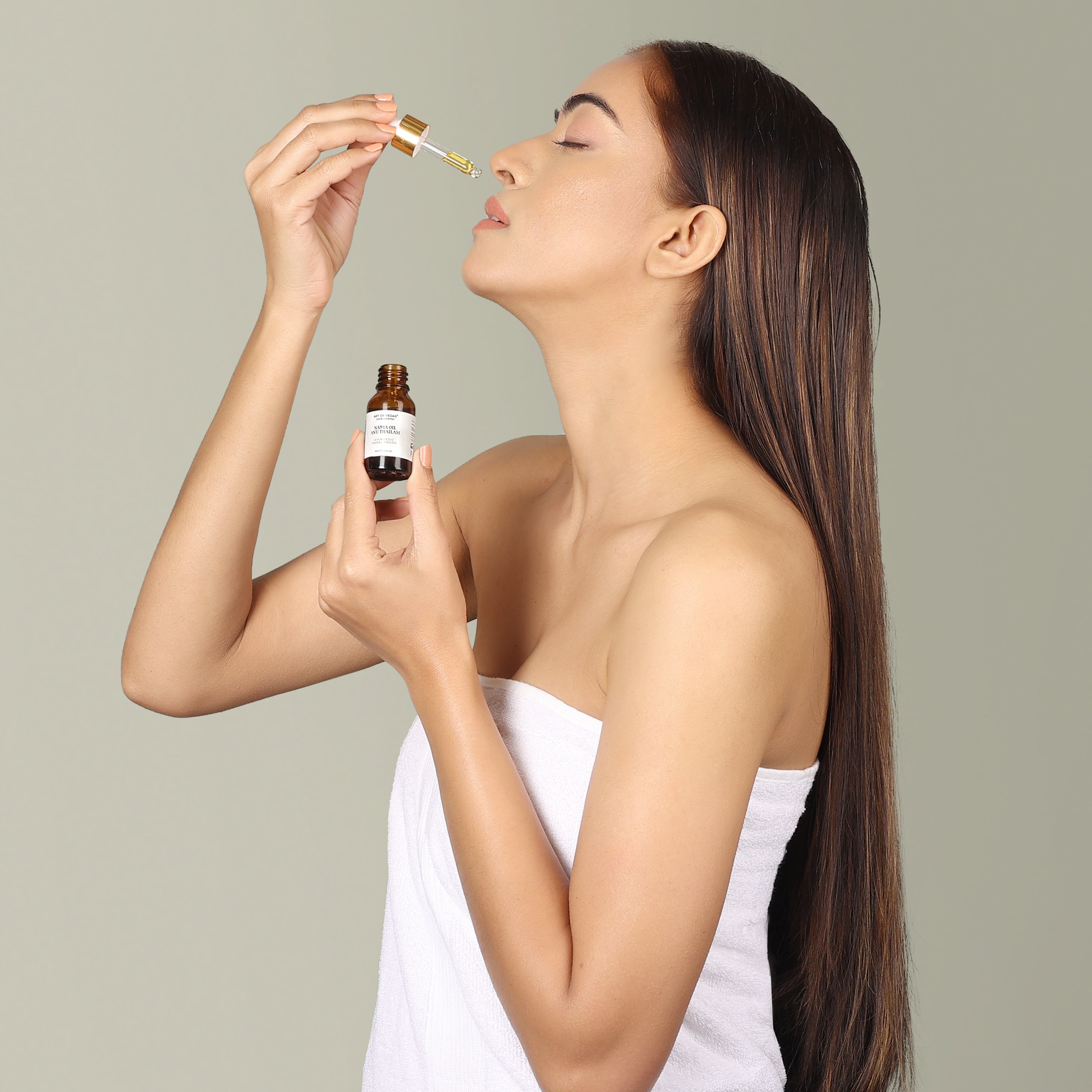
- Nasya (nasal administration): medicated oil drops administered through the nose; typically performed as a course of 5-7 consecutive days
- Vamana (therapeutic emesis): the most intensive procedure, rarely offered in European centres due to regulatory concerns and guest tolerance; primarily indicated for severe Kapha conditions
External therapies (Abhyanga, Shirodhara, Kizhi, Pizhichil) continue daily throughout this phase, supporting the main procedures and maintaining comfort.
Phase 3: Paschat Karma (Rejuvenation), Days 14-21+
After the main cleansing procedures, the body needs careful rebuilding. This phase is critical and often undervalued by centres that rush guests back to normal activity.
- Gradual dietary reintroduction: meals progress from very simple (rice water, thin porridge) to more substantial over 5-7 days
- Rasayana (rejuvenation) therapies: nourishing treatments and herbal preparations to rebuild strength
- Lifestyle guidance for maintaining the benefits of the programme after returning home
- Continued rest with gradually increasing activity
Duration: How Long Should a Programme Be?
Classical texts recommend a minimum of 14 days for meaningful Panchakarma. Many centres offer 21 or 28-day programmes for comprehensive treatment. Programmes shorter than 14 days can deliver preparatory therapies and possibly one main procedure, but they cannot provide the full Panchakarma sequence with adequate preparation and rejuvenation.
If you can only commit to 7-10 days, seek a centre that honestly describes their programme as a "preparatory Ayurvedic treatment series" or "Ayurvedic wellness programme" rather than one that compresses full Panchakarma into an inadequate timeframe.
Cost Considerations
Panchakarma in Europe is a significant investment. Understanding the cost structure helps set expectations:
- Residential programmes: 2,500-10,000 euros for 14-21 days, depending on the centre's location, accommodation standard, and programme intensity
- Day-treatment programmes: 1,500-5,000 euros for 14-21 days of daily treatments without accommodation
- Spa Panchakarma packages: 1,000-4,000 euros for 7-14 days; verify what is actually included, as spa packages may omit the main Panchakarma procedures
The cost reflects the intensive nature of the programme: daily treatments of 2-4 hours, individualised practitioner supervision, high-quality medicated oils consumed in large quantities, specialised dietary preparation, and dedicated treatment space. Centres offering Panchakarma at significantly below-market rates may be cutting corners on product quality, practitioner qualifications, or programme completeness.
After Panchakarma: Maintaining the Benefits
The weeks following a Panchakarma programme are as important as the programme itself. A reputable centre will provide detailed post-programme guidance covering:
- Dietary recommendations for the first 2-4 weeks after completing the programme
- Daily routine (Dinacharya) guidelines including self-massage, appropriate exercise, and rest
- Herbal supplement recommendations if applicable
- Follow-up consultation schedule to monitor progress and adjust recommendations
Returning to full activity, rich food, and late nights immediately after Panchakarma undermines the programme's benefits. The body needs time to stabilise and rebuild after intensive cleansing. Respect this transition period.
Panchakarma for Specific Needs
While Panchakarma is a comprehensive system, European centres often specialise in particular applications based on their practitioner expertise and client base:
- Stress and burnout recovery: programmes emphasising nervous system support through Shirodhara, Abhyanga, and Basti; popular among professionals seeking structured recovery
- Musculoskeletal support: programmes centred on Kizhi, Pizhichil, and specific Basti protocols; traditionally indicated for Vata-predominant conditions affecting joints and mobility
- Digestive wellness: programmes focusing on Virechana and dietary protocols; the Agni (digestive fire) concept is central to these programmes
- Seasonal cleansing: shorter programmes (7-14 days) aligned with seasonal transitions; spring (Kapha season) is traditionally the most recommended time for Panchakarma
- Post-illness recovery: Rasayana (rejuvenation) focused programmes for rebuilding strength; Panchakarma followed by nourishing therapies and herbal supplements
Ask centres about their areas of focus. A centre with deep expertise in one area often delivers better results than one claiming to treat everything equally well.
Preparing for Your Panchakarma Programme
The effectiveness of a Panchakarma programme begins before you arrive at the centre. Reputable centres provide pre-programme guidance, typically including:
- Dietary simplification for 3-7 days before arrival: reducing processed food, caffeine, alcohol, and heavy meals
- Establishing a regular sleep schedule
- Reducing intense exercise and replacing it with gentle movement like walking or yoga
- A pre-programme questionnaire or consultation to help the practitioner plan your individual programme
Take this preparation seriously. Arriving at a Panchakarma centre after a stressful travel day, a rich restaurant meal, and inadequate sleep means the first days of your programme are spent simply recovering from the journey rather than progressing through the treatment protocol.
Questions to Ask Before Booking
Use this checklist when evaluating a Panchakarma centre:
- What are the qualifications of the supervising practitioner?
- Which of the five Panchakarma procedures do you perform?
- What is the minimum programme duration you recommend?
- Is there a pre-programme consultation and individual assessment?
- What dietary programme is included?
- What post-programme support do you provide?
- What oils and herbal products do you use, and are they EU-compliant?
- How many clients do you treat simultaneously? (High client-to-practitioner ratios reduce individualised attention)
- Can you provide references or testimonials from previous clients?
Centres that answer these questions openly and in detail demonstrate transparency and confidence in their offering. Vague or evasive responses suggest that the programme may not deliver what it promises.
For a detailed understanding of each Panchakarma procedure and its classical context, explore our Complete Guide to Panchakarma. Learn about Basti therapy, the most important of the five Panchakarma actions, and how it fits within a comprehensive treatment programme.