If the three Doshas are the functional forces that govern the body, the seven Dhatus are the structural substance - the physical tissues that compose the body and provide the material foundation through which the Doshas operate. The word Dhatu itself means "that which supports" or "that which holds," and the classical tissue system described in the Charaka Samhita, Sushruta Samhita, and Ashtanga Hridayam is one of the most elegant and clinically practical models in Ayurvedic physiology.
The seven Dhatus form a sequential chain of transformation. Food, once digested by Agni, enters the first tissue layer and is progressively refined through each subsequent layer - each transformation producing the nourishment for the next tissue and the waste products (Mala) that must be eliminated. When this chain functions cleanly, the final product is Ojas - the vital essence of immune competence, radiance, and resilience. When it is disrupted at any point, the downstream tissues suffer.
The Chain: From Food to Ojas
1. Rasa Dhatu - Nutrient Plasma
The first tissue formed from digested food. Rasa literally means "essence" or "juice" - it is the liquid nutrient plasma that circulates through the body, carrying nourishment from the digestive system to every cell. Rasa Dhatu governs hydration, skin lustre, menstrual flow (an Upadhatu or sub-tissue of Rasa), and the feeling of basic contentment.
When nourished: Skin appears moist and luminous, energy is steady, there is a sense of satisfaction after eating.
When depleted: Dry skin, dehydration, fatigue after meals, a vague sense of dissatisfaction or emptiness.
Dosha relationship: Primarily governed by Kapha - its liquid, nourishing quality is Kapha-like.
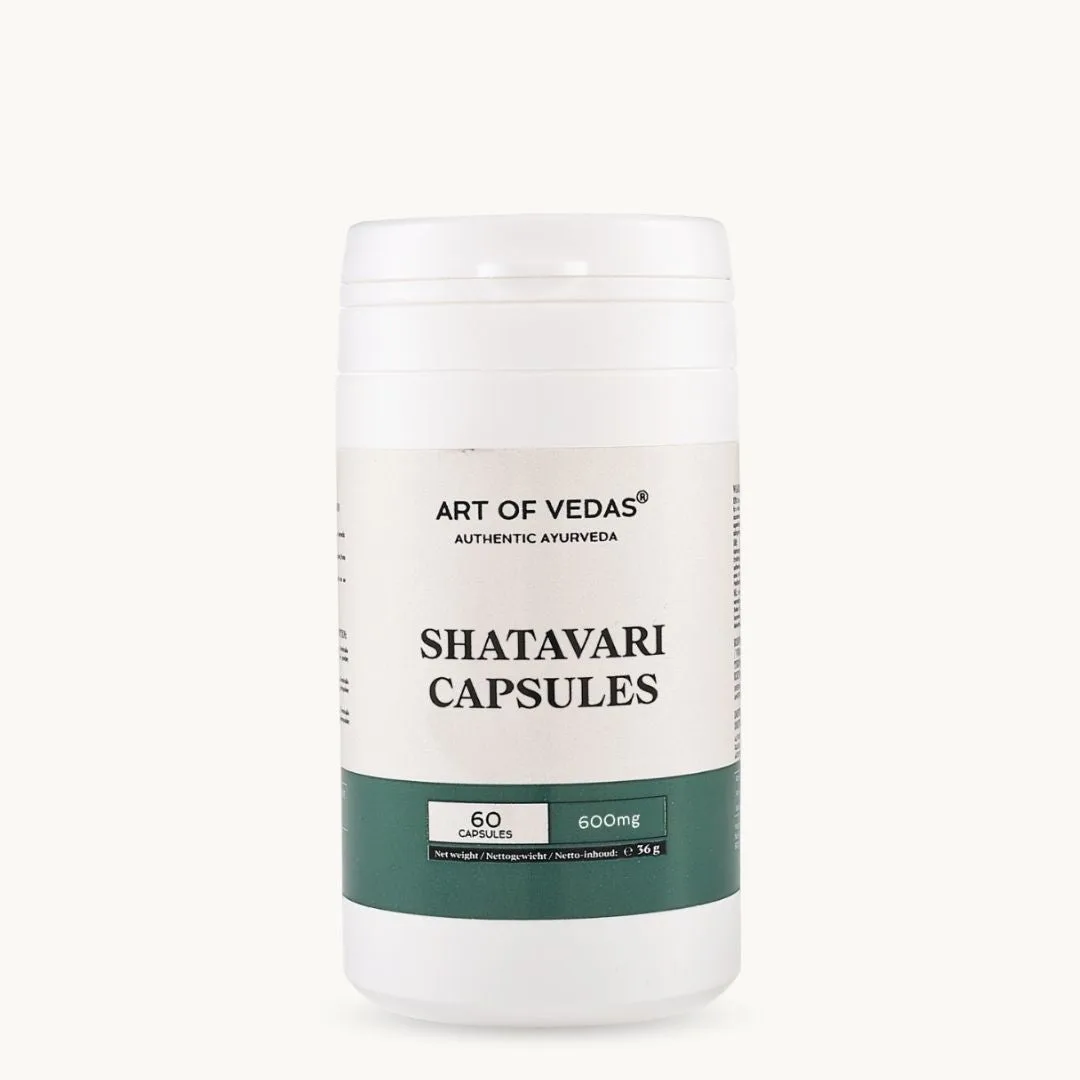
Key Rasayana: Shatavari, which has primary affinity for Rasa Dhatu nourishment.
2. Rakta Dhatu - Blood
Formed from the refinement of Rasa Dhatu by Rakta Dhatvagni (the tissue-specific Agni). Rakta carries oxygen, maintains body temperature, and provides the red colour of blood, lips, and complexion. The liver and spleen are its primary organs of formation and purification.
When nourished: Warm complexion, good circulation, lustrous eyes, strong vitality.
When depleted: Pallor, coldness, dull complexion, lack of lustre in the eyes.
Dosha relationship: Primarily governed by Pitta - the relationship between Pitta, Rakta, and the liver is one of the most clinically important in Ayurveda.
Waste product: Bile (Pitta in its physical form) - the functional connection between Pitta Dosha and its primary tissue.
3. Mamsa Dhatu - Muscle Tissue
Formed from Rakta, Mamsa provides the muscular structure, physical strength, and protective covering of the body. It governs movement (in partnership with Vata), posture, physical confidence, and the capacity for physical work.
When nourished: Good muscle tone, physical strength, sense of physical security and confidence.
When depleted: Muscle wasting, weakness, lack of physical confidence, fatigue during exertion.
Key Rasayana: Ashwagandha - its classification as Balya (strengthening) and Brimhana (nourishing) relates directly to its Mamsa Dhatu support.
4. Meda Dhatu - Fat/Adipose Tissue
Formed from Mamsa, Meda provides lubrication, insulation, and energy storage. It lines the organs, cushions the joints, stores lipid-soluble nutrients, and provides the reserve energy that sustains the body between meals and during physical effort.
When nourished: Appropriate body composition, smooth joint function, adequate energy reserves, soft and supple skin.
When excessive: Weight accumulation, sluggishness, the heavy quality that characterises Kapha imbalance in the tissue system.
Dosha relationship: Kapha's primary tissue seat - excess Kapha manifests most visibly through Meda Dhatu accumulation.
5. Asthi Dhatu - Bone Tissue
Formed from Meda, Asthi provides the structural framework - bones, teeth, nails, and hair (an Upadhatu). This is the densest, hardest tissue in the chain and requires the most complete transformation to produce.
When nourished: Strong bones, healthy teeth, thick hair, strong nails.
When depleted: Brittle nails, hair loss, cracking joints, dental weakness.
Dosha relationship: Vata has an inverse relationship with Asthi - the Charaka Samhita describes that when Vata increases, bone quality decreases, and vice versa. This is why Vata-pacifying practices (Abhyanga with warm oil, nourishing diet, warmth) are described as bone-supportive.
6. Majja Dhatu - Nerve and Marrow Tissue
Formed from Asthi, Majja fills the bone cavities (marrow) and forms the nervous system - brain, spinal cord, and peripheral nerves. This is the tissue of intelligence, sensation, and the subtle communication network that coordinates all bodily functions.
When nourished: Sharp senses, good memory, clear thinking, stable nervous system, sense of inner fullness.
When depleted: Nervousness, anxiety, sensory hypersensitivity, poor sleep, a feeling of inner emptiness.
Dosha relationship: Vata animates Majja Dhatu - the nervous system is Vata's primary functional medium.
7. Shukra Dhatu - Reproductive Tissue
The deepest, most refined tissue - formed from the complete, residue-free transformation of all preceding layers. Shukra governs reproductive function, creative capacity (in both biological and artistic senses), and the production of Ojas.
When nourished: Reproductive vitality, creative energy, luminous complexion, strong immunity, deep vitality.
When depleted: Reproductive difficulties, creative stagnation, lack of lustre, weakened immunity.
Key Rasayanas: Shatavari, Ashwagandha, and Chyavanprash - the comprehensive Rasayanas that support the entire tissue chain from Rasa to Shukra.