This article is part of our Arimedadi Thailam: The Classical Ayurvedic Oil Formulated for the Oral Cavity guide series.
Oil pulling has been practised in Ayurveda for over two thousand years. It appears in the classical texts under the names Gandusha and Kavala - two distinct methods that share the same principle: holding or swirling medicated oil in the mouth to support oral health through the actions of the oil itself and of the herbs processed within it. Of all the classical Ayurvedic oils traditionally used for this practice, Arimedadi Thailam holds a particular position: it is one of the few formulations from the classical literature prepared specifically for the oral cavity.
This guide covers the classical method of oil pulling with Arimedadi Thailam, what makes this oil suited to this practice, and how to integrate it into your daily routine. If you want to understand what Arimedadi Thailam is more broadly - its ingredients, classical background, and general oral care uses - our complete Arimedadi Thailam guide covers that in full.
What Is Arimedadi Thailam?
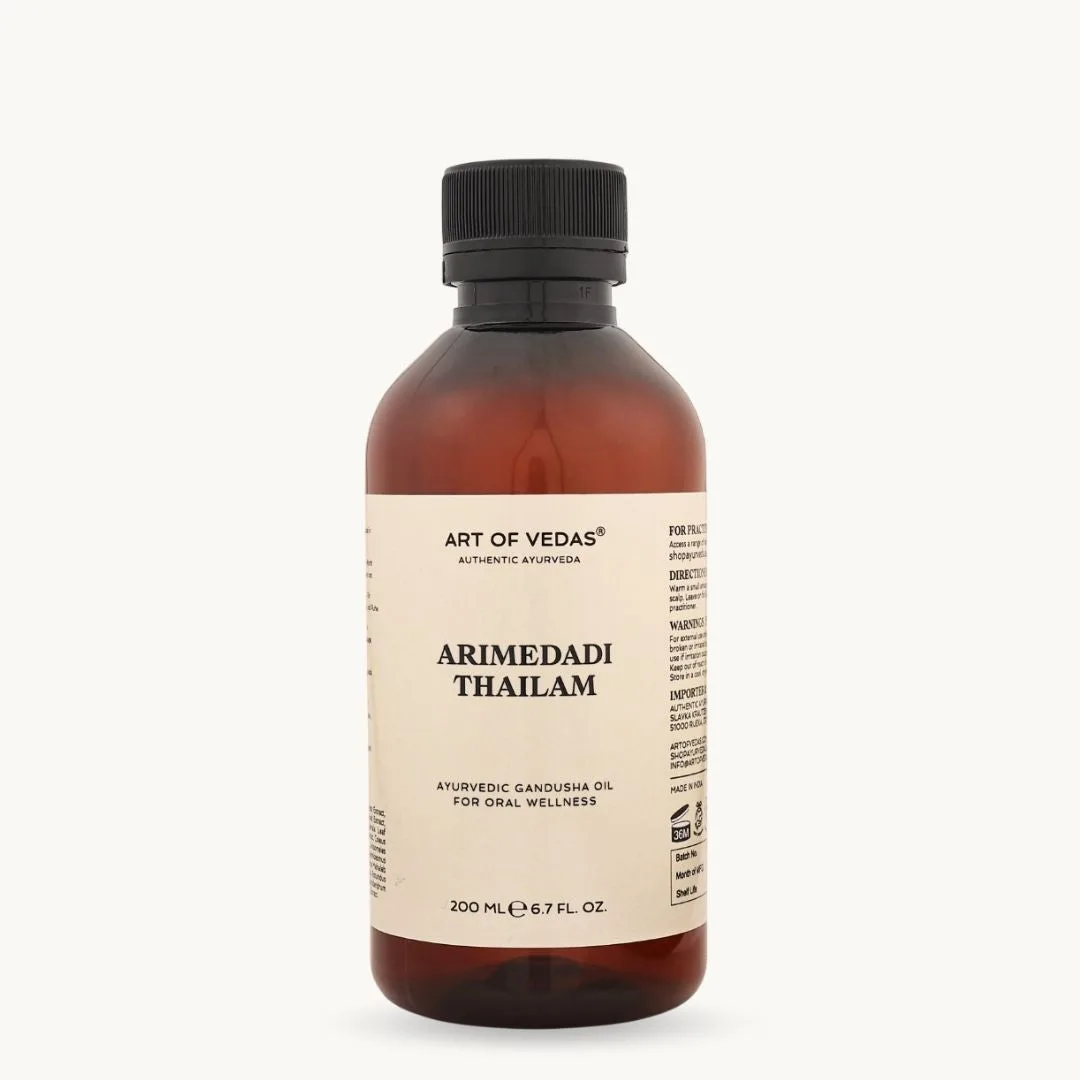
Arimedadi Thailam is a classical Ayurvedic medicated oil whose primary base is sesame oil (Tila taila), processed with a combination of herbs that includes Arimedam (Acacia catechu, cutch tree), Nimba (Azadirachta indica, neem), Patha (Cissampelos pareira), Trikatu (the three pungents: ginger, long pepper, black pepper), and several other classical oral care herbs.
The formulation is described in the Ashtanga Hridayam and the Sahasrayogam, where it appears specifically in the context of Danta (dental and oral) health. The emphasis on Arimedam - the primary named herb - reflects the classical text's intention: this is an oil designed from the ground up for the oral environment.
You can find Arimedadi Thailam in the Art of Vedas oral care range.
Oil Pulling in Classical Ayurveda: Gandusha and Kavala
Before getting into the specific method with Arimedadi, it is useful to understand what the classical tradition says about oil pulling itself. The Ashtanga Hridayam (Sutrasthana, Chapter 22) describes the morning routine (Dinacharya) and includes oil pulling as a regular daily practice alongside tongue scraping, nasal drops (Nasya), and oil self-massage (Abhyanga).
Two classical methods are described:
-
Gandusha: The mouth is filled completely with oil, making swirling impossible. The oil is held for a fixed period - typically described as until tears appear, signalling full saturation of the mucous membranes - then spat out. This is the more intensive method, described primarily in therapeutic contexts.
-
Kavala: A comfortable amount of oil is taken into the mouth and swirled and gargled (not swallowed) for a shorter period before being expelled. This is the standard daily practice method, described as suitable for regular morning use.
For everyday home practice, Kavala is the method most people will use. Gandusha is typically reserved for specific therapeutic applications under the guidance of an Ayurvedic practitioner.
Our broader Oil Pulling Guide covers both methods in detail, including the full classical reasoning behind the practice.
Why Arimedadi Is Specifically Suited to Oil Pulling
The question of which oil to use for oil pulling is not trivial. The classical texts specify different preparations for different purposes, and plain sesame oil - while valid and widely recommended - is a different thing from a fully processed Ayurvedic Thailam prepared with oral-health herbs.
Several properties make Arimedadi Thailam particularly suitable for oil pulling:
1. Kashaya and Tikta Rasa (Astringent and Bitter Tastes)
Acacia catechu (Arimedam), the primary herb, is strongly Kashaya (astringent) in taste. In Ayurvedic pharmacology, Kashaya rasa is considered supportive for Rakta dhatu (blood tissue) and particularly valuable in the context of the gums and oral mucosa. Astringent substances traditionally support tissue tonicity. The bitter herbs in the formulation - neem and others - complement this action with Tikta rasa, which Ayurveda classifies as purifying and Pitta-pacifying.
2. Sesame Oil Base
Sesame oil is the classical base oil for most Ayurvedic Thailams, and it is the base specifically recommended in the classical texts for oral preparations. Sesame is described in the Charaka Samhita as the best of oils (Taila shreshtha), and its Ushna virya (warming potency) and penetrating quality make it effective as a vehicle for the processed herbs. In the oral environment, this translates to an oil that does not feel inert but actively works through the soft tissues.
3. Classical Processing (Taila Paka)
Arimedadi Thailam is not simply a herb-infused oil. It is processed according to the classical Taila paka vidhi - the specific method of oil preparation described in the Ayurvedic texts in which the herb paste (kalka), water decoction (kashayam), and base oil are combined and cooked through a precise process. This transforms the therapeutic properties of the herbs into a form carried in the oil medium. The result is a different substance from an infusion: the properties of the herbs are said to transfer into the oil in a way that raw infusion does not achieve.
4. Specificity of the Formulation
The name of the oil - Arimedadi, meaning "starting with Arimedam" - indicates that this preparation was formulated with the oral cavity as its primary context. It is not a general-purpose Vata or Pitta oil being applied to oil pulling. It was designed for this environment, which is relatively unusual among classical Ayurvedic formulations and accounts for its continued use in this specific context.
The Classical Method: How to Use Arimedadi Thailam for Oil Pulling
The following method is based on the classical Kavala (gargling/swirling) technique described in the Ashtanga Hridayam, adapted for everyday home practice with Arimedadi Thailam.
Preparation
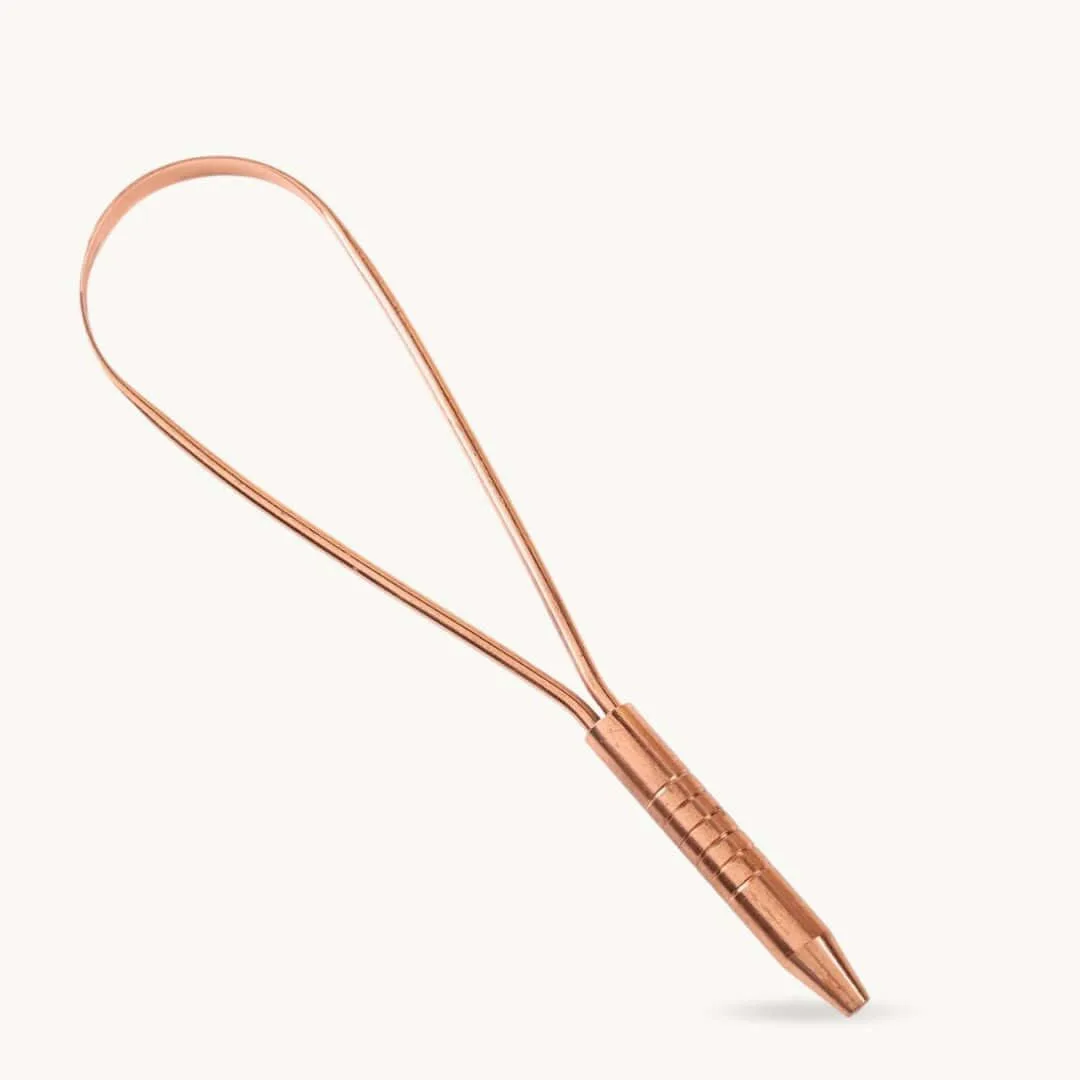
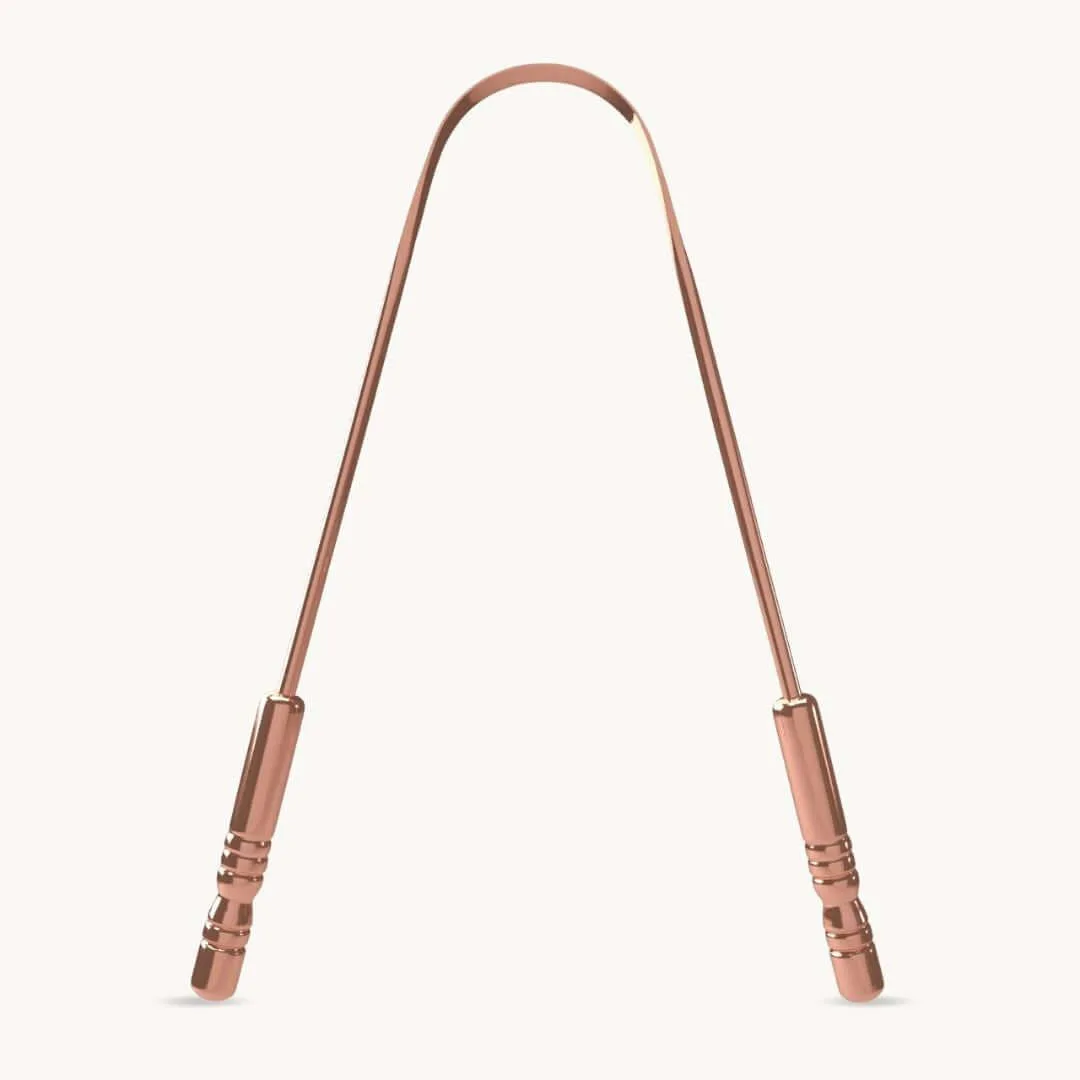
- Practice oil pulling first thing in the morning, after cleaning the tongue with a copper tongue scraper but before drinking, eating, or brushing
- The classical texts recommend warming the oil slightly. A small amount of Arimedadi Thailam can be gently warmed by placing the bottle in warm water for a few minutes. The oil should be comfortably warm - not hot
- Measure approximately one tablespoon (around 15 ml) for an adult. The amount is a guide; use what feels comfortable to hold and swirl without strain
The Practice
- Take the oil into the mouth
- Swirl it gently through the teeth, over the gums, and around the tongue. The movement should be relaxed - not vigorous or strenuous
- Continue for 5 to 15 minutes. The classical texts suggest the ideal duration is until the oil becomes thin and frothy, which indicates it has been worked through the mucous membranes. With practice, you will develop a sense for when this point is reached
- Do not swallow. When finished, spit the oil into a bin (not the sink - it can congeal and block drains)
- Rinse the mouth with warm water
- Proceed with the rest of your morning oral care routine
Frequency
The classical texts describe oil pulling as a daily morning practice. For most people, beginning with three to five times per week and building to a daily habit is a practical approach. Even practiced once or twice a week, it is a meaningful addition to a classical oral care routine.
What to Expect
Arimedadi Thailam has a distinctive flavour. The neem and Acacia catechu components are bitter and astringent, which are not the most immediately pleasant tastes but are precisely the qualities that give this oil its oral health properties in classical Ayurvedic understanding. The first few times, the experience may be unfamiliar. Most people adjust quickly, and many come to associate the flavour with the practice itself.
The oil will change consistency and appearance during the practice, moving from amber-yellow to a lighter, frothier appearance. This is normal and expected - it reflects the oil mixing with saliva and working through the oral tissues.
Arimedadi Oil Pulling in the Context of a Classical Morning Routine
In classical Ayurveda's Dinacharya (daily routine), oil pulling sits within a sequence of morning oral and nasal practices. The complete classical sequence as described in the Ashtanga Hridayam Sutrasthana is:
- Rising at or before sunrise (Brahma muhurta)
- Elimination and washing
- Tongue scraping (Jihwa nirlekhanam) - with a copper or silver tongue scraper
- Teeth cleaning (Danta dhavana)
- Oil pulling (Kavala / Gandusha)
- Nasal drops (Nasya)
- Oil self-massage (Abhyanga)
- Bathing
You can read more about the full morning sequence in our Dinacharya guide. For the tongue scraping practice specifically, our Copper Tongue Scraper guide covers the classical method in full.
Frequently Asked Questions
Can I use Arimedadi Thailam every day?
Yes. The classical texts describe oil pulling as a daily practice. Arimedadi Thailam is suitable for regular daily use as part of a morning oral care routine.
What if I find the taste of Arimedadi Thailam too strong?
The bitter and astringent taste is an inherent property of the herbs in this formulation. If you find it too intense initially, you can begin with a shorter duration - two to three minutes - and gradually increase as you acclimatise to the taste. Some people find it helpful to think of the flavour as the active part of the practice rather than an incidental quality to be tolerated.
Is Arimedadi Thailam the same as ordinary sesame oil for oil pulling?
No. Plain sesame oil and Arimedadi Thailam are different things. Plain sesame oil provides the base medium without the processed classical herbs. Arimedadi Thailam has been through the full classical preparation process with oral-specific herbs. The classical texts are clear that the choice of preparation matters, which is why specific oral care formulations exist within the Ayurvedic tradition.
Can I use Arimedadi Thailam for gargling as well as swirling?
The classical Kavala method does include gargling at the back of the throat as part of the swirling motion. This is within the classical method. However, care should be taken not to allow oil to enter the nasal passages or airways - the swirling and gargling should remain in the oral and throat cavity.
How does oil pulling relate to tongue scraping?
Both are part of the classical oral hygiene sequence. Tongue scraping (Jihwa nirlekhanam) comes first in the classical sequence and removes the overnight coating from the tongue surface. Oil pulling follows and works through the broader oral environment. They are complementary practices rather than alternatives to each other.
Can I use Arimedadi Thailam for oil pulling if I have dental work such as crowns or fillings?
Oil pulling is a gentle practice and does not involve the kind of mechanical abrasion that could damage dental work. However, if you have specific concerns about how oil pulling might interact with existing dental work, it is sensible to check with your dentist before beginning a regular practice.
Conclusion
Oil pulling with Arimedadi Thailam is one of the most direct ways to bring a specific classical Ayurvedic oral care practice into daily life. The formulation is classical, the method is documented in the texts, and the integration into a morning routine is straightforward once the habit is established.
What makes this practice meaningful is not novelty - oil pulling is not a recent discovery - but authenticity. You are using a preparation designed specifically for the oral environment, in a method described in classical texts written over a thousand years ago, as part of a daily routine that Ayurveda has recommended consistently throughout its tradition.
Explore Arimedadi Thailam in the Art of Vedas range. For the complete oral care collection, visit our Ayurvedic Oral Care collection. To understand the broader context of classical daily practice, our Dinacharya guide is the best starting point.
This article is for educational purposes only. The information presented reflects traditional Ayurvedic practices as described in classical texts. It is not a substitute for professional dental or medical advice. If you have concerns about your oral health, please consult a qualified dental or healthcare professional.