This article is part of our AYURVEDIC SKINCARE FOR BEGINNERS guide series.
The modern skincare industry is built around water-based serums - lightweight, fast-absorbing formulations carrying concentrated active ingredients in aqueous or gel mediums. Ayurvedic skincare, by contrast, is built around oil - herb-infused lipid formulations prepared through classical processes that have been refined over millennia. These are not just different products; they represent fundamentally different philosophies about how the skin should be nourished and what constitutes effective care.
Understanding these differences is not about declaring one approach superior - it is about making an informed choice based on your skin type, your values, and the kind of care that aligns with your approach to self-care.
Philosophy: Corrective vs Constitutional
Modern serums operate on a corrective model: identify the concern (hyperpigmentation, fine lines, dehydration, acne), select the active ingredient that targets it (vitamin C, retinol, hyaluronic acid, salicylic acid), and apply. The approach is symptom-specific and ingredient-driven.
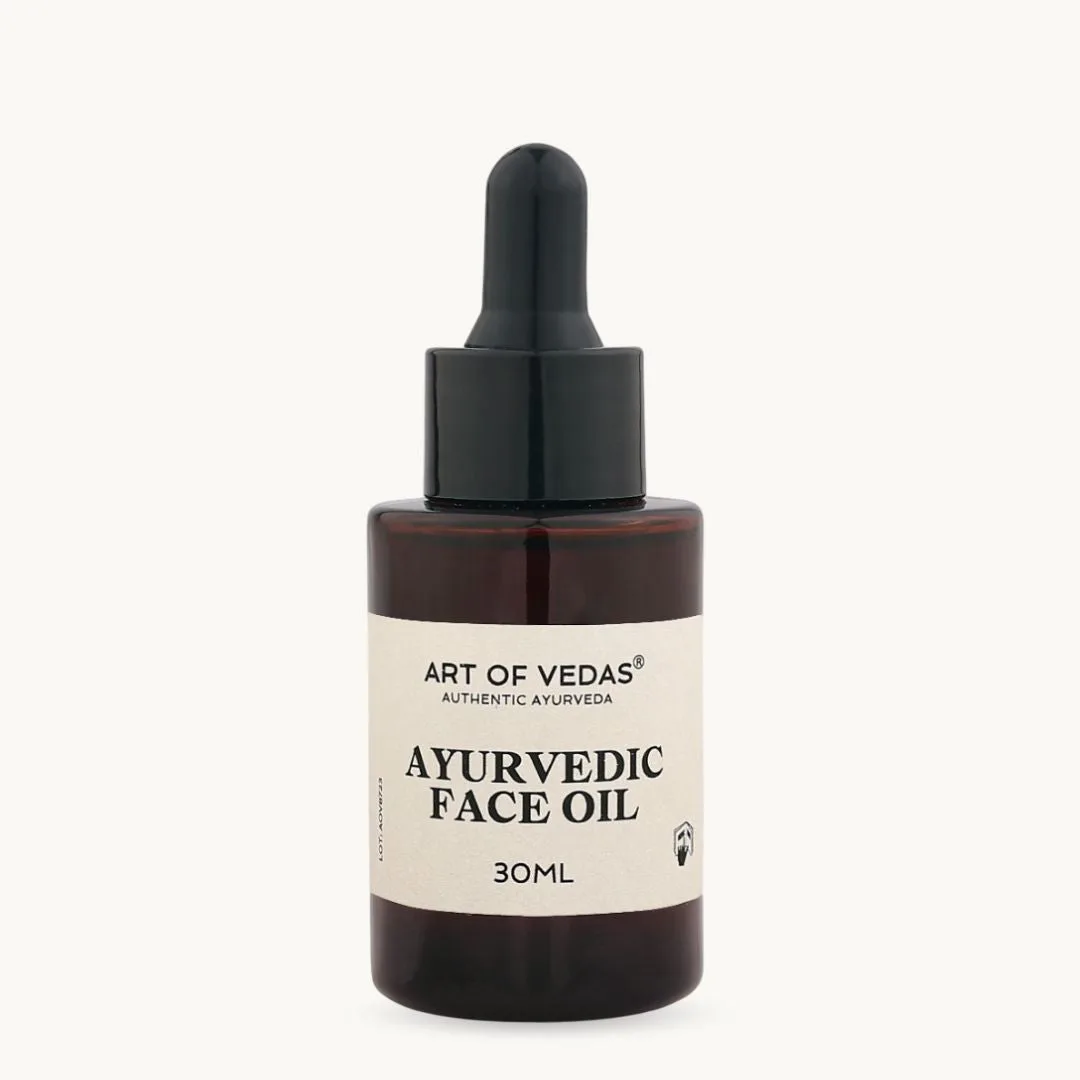
Ayurvedic face oils operate on a constitutional model: identify the underlying Dosha pattern that produces the skin concern, select an oil formulation that balances that Dosha, and apply as part of a daily ritual that addresses root cause rather than symptom. A Pitta-type redness is not treated with an anti-redness ingredient but with a cooling oil that addresses the heat driving the redness. The oil selection guide covers this Dosha-matching approach in detail.
Formulation: Single-Actives vs Whole-Plant Synergy
Modern serums typically feature one or two isolated active ingredients at specific concentrations - 10% vitamin C, 0.5% retinol, 2% hyaluronic acid. The logic is pharmaceutical: isolate the active, control the dose, deliver it precisely.
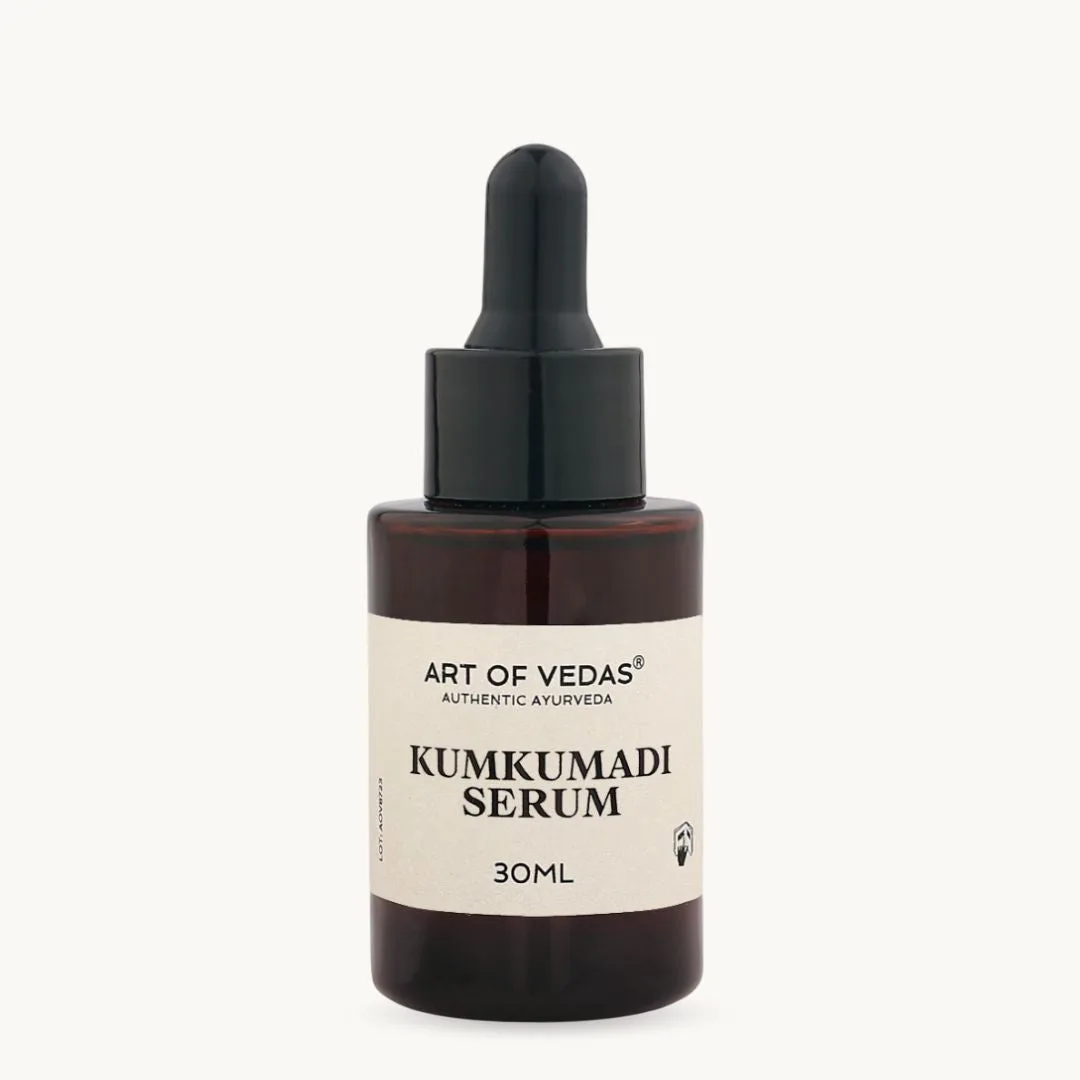
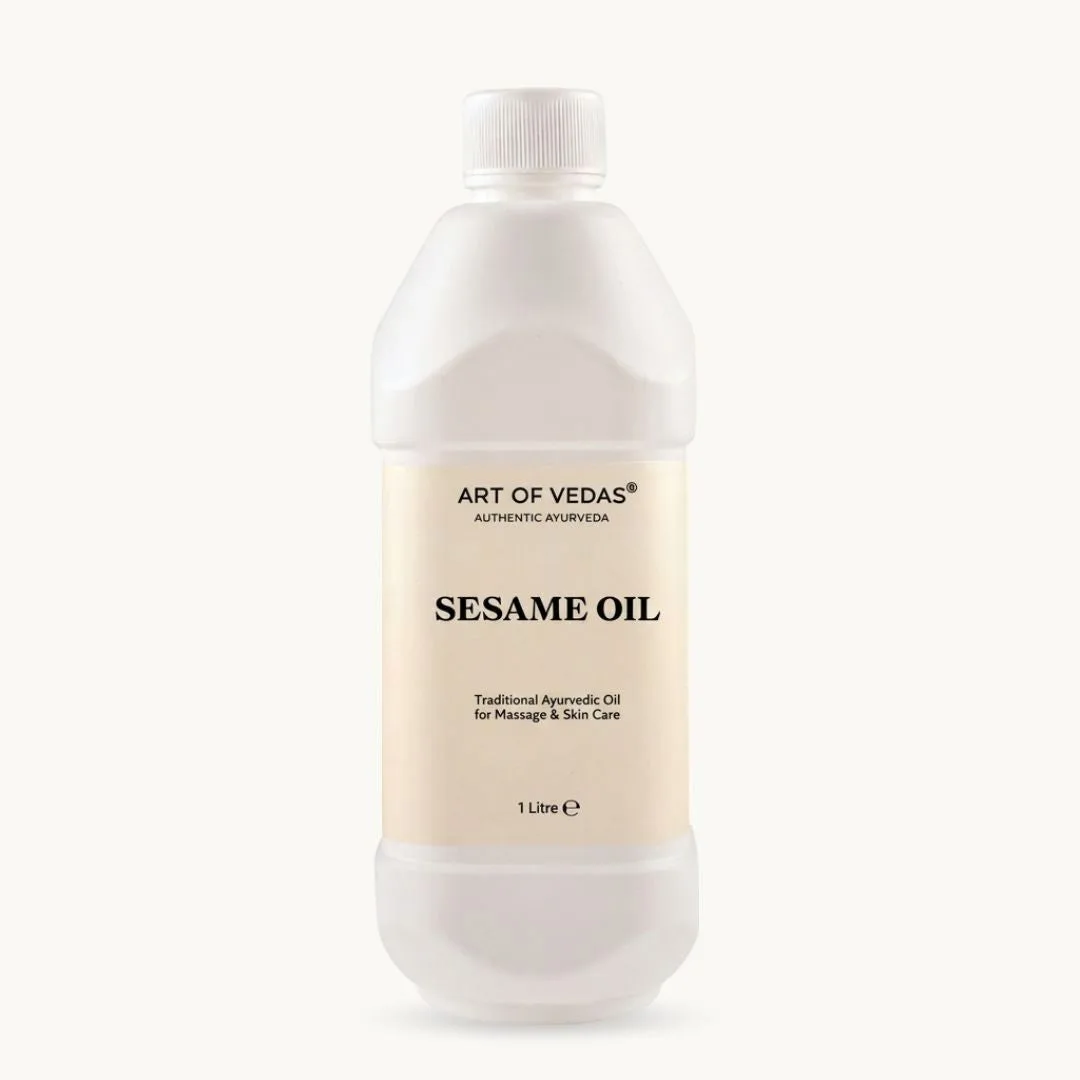
Classical Ayurvedic Thailams contain dozens of herbs in a single formulation. Kumkumadi Thailam, for instance, contains saffron, sandalwood, lotus, liquorice, and numerous other botanicals in a sesame and milk-processed base. The classical logic is synergistic: each herb contributes multiple actions, and the combination produces effects that no single ingredient can replicate. The oil base itself is therapeutically active - sesame oil is not merely a carrier but a penetrating, nourishing, antioxidant-rich medium with its own classical properties.
Absorption: Aqueous vs Lipid Pathways
Water-based serums absorb rapidly through the skin's aqueous channels. They deliver actives quickly but do not provide lasting barrier protection or deep tissue nourishment. Multiple layers (serum, then moisturiser, then SPF) are needed to build a complete regimen.
Oil-based formulations absorb through the skin's lipid matrix - slower but deeper. The oil integrates with the skin's natural lipid barrier, nourishing from within while creating a protective layer on the surface. Classical texts describe this as Bhrajaka Pitta metabolising the oil - the skin's own intelligence processing and distributing the herbal constituents to the tissues that need them. A single well-chosen face oil can replace multiple products in a modern routine.
Ritual vs Routine
Perhaps the most significant difference is experiential. A serum is applied; an Ayurvedic face oil is massaged in. The classical approach involves warming the oil, applying with intention, and using specific facial massage techniques - including Kansa wand massage - that stimulate circulation, promote lymphatic drainage, and transform a skincare "step" into a daily self-care ritual. This tactile, meditative quality is not a marketing overlay - it is built into the classical method.
When Each Approach Shines
Serums excel when you need targeted intervention for specific, acute concerns - a post-inflammatory pigmentation spot, a dehydration crisis, a precisely-timed anti-aging active. They work well for oily or acne-prone skin that may not tolerate heavy oils.
Ayurvedic oils excel when you want constitutional, holistic skin support - nourishing dry Vata skin, calming reactive Pitta skin, or maintaining healthy ageing across the entire face rather than targeting individual concerns. They particularly suit those who value the ritual aspect of skincare and prefer whole-plant, traditional formulations.
Many find the best results combining both - using Ayurvedic face oils as the nourishing, ritual foundation of their daily practice and incorporating targeted serums when specific concerns arise.
Explore the Kumkumadi and Eladi formulations as entry points into the Ayurvedic oil approach, or build a complete Ayurvedic skincare routine matched to your Dosha type. For a personalised skincare recommendation, consult with one of our Ayurvedic doctors.
Educational comparison for informational purposes. Not dermatological advice.