In brief: A retail Ayurveda range works best when it is small and easy to explain: daily-care tools, a few classical oils, capsules and powders, each in a sealed labelled pack, and staff who can say in one sentence what each product is.
Start with categories customers understand
Customers who are new to Ayurveda start with products whose use is obvious. A first range can be built from five groups:
- Daily care: copper tongue cleaners, copper bottles and glasses, and Kansa wands for self-massage.
- Massage oils: the Vata, Pitta and Tridosha massage oils, and two or three classical Thailams in 200 ml.
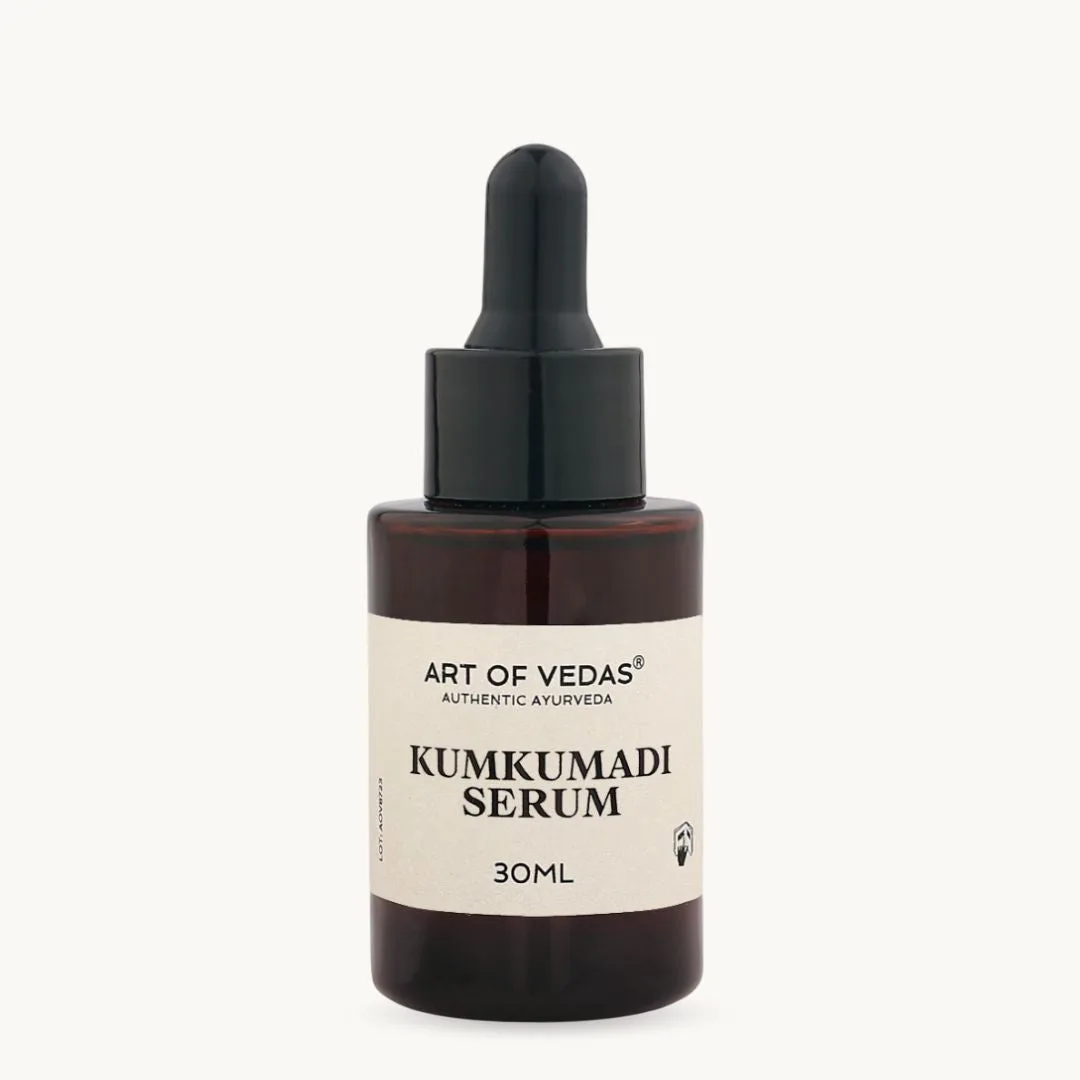
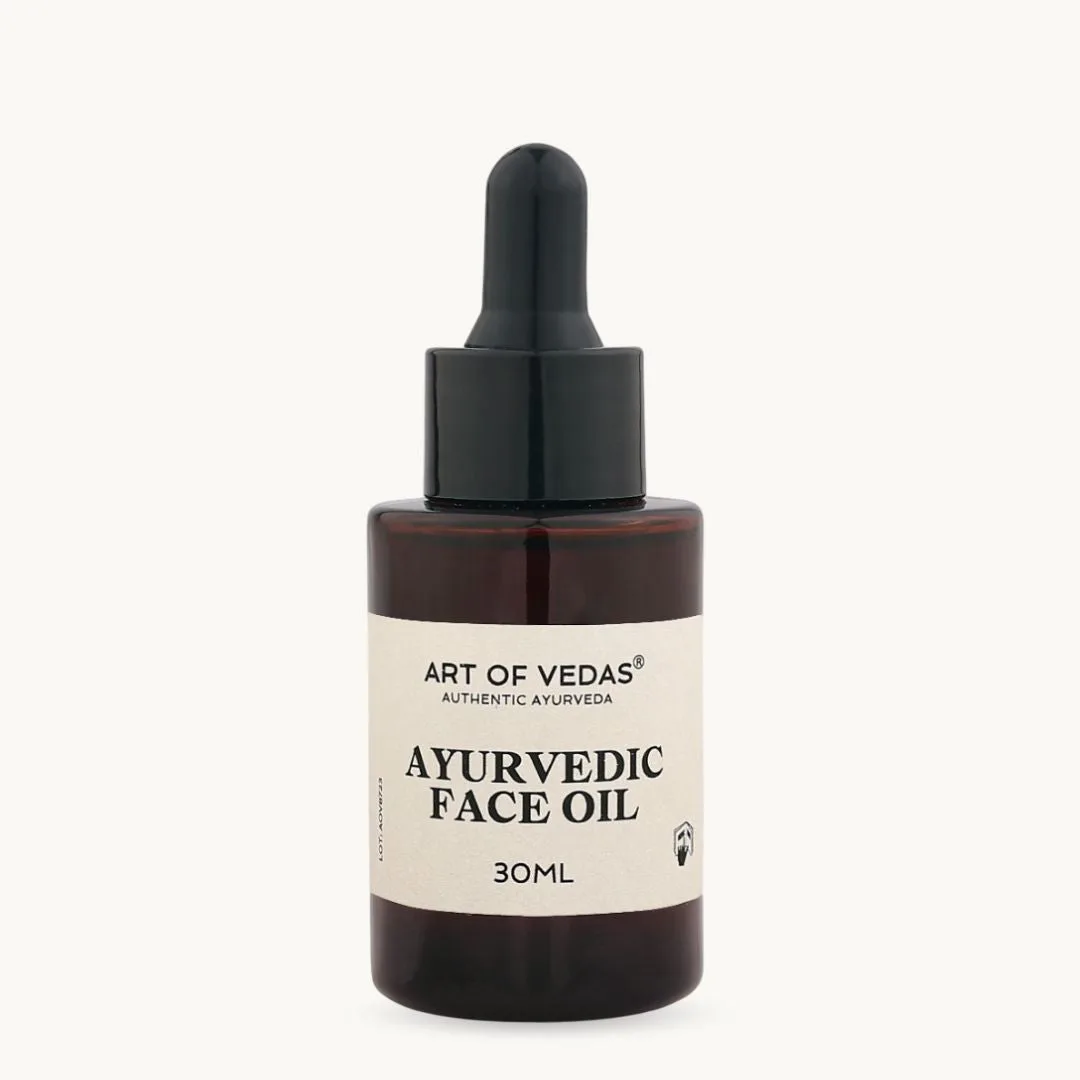
- Face care: the Ayurvedic Face Oil and the Kumkumadi Serum.
- Capsules: single-herb capsules such as Ashwagandha, Triphala, Brahmi or Tulsi, in packs of 60.
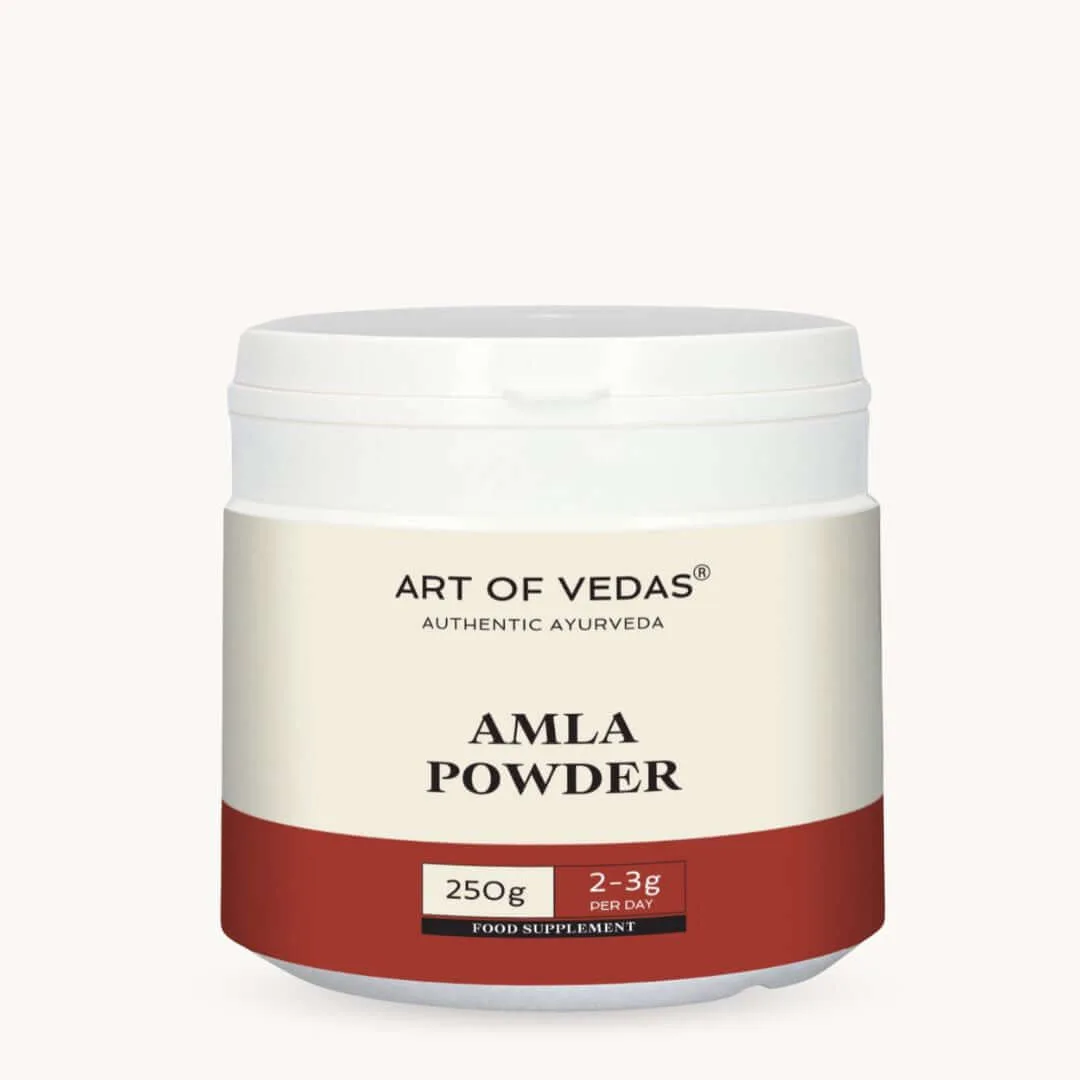
- Powders: classical Churnams such as Triphala, Ashwagandha or Amla powder.
Add to the range from what customers ask for rather than from the catalogue. A shelf of forty products that staff cannot explain sells less than a shelf of fifteen that they can.
Explaining the range in one sentence
Staff do not need to be practitioners, but each product needs a sentence they can say with confidence. A copper tongue cleaner is part of the classical morning routine, Dinacharya. Triphala is the classical blend of three fruits: Amalaki, Bibhitaki and Haritaki. A Thailam is a herbal oil prepared by slow decoction into an oil base, used for self-massage, Abhyanga, before a warm shower. A Kansa wand is a massage tool of Kansa, the traditional bronze. Sentences like these describe what a product is without claiming what it does, which is exactly where the rules want them.
Selling within the rules
Cosmetic products such as massage and face oils are sold as supplied, in their original packaging with the label intact. Under EU cosmetics law, a business that repacks a cosmetic product, or sells it under its own name, becomes its Responsible Person, with the obligations that role carries.
Capsules and powders taken internally are food supplements. Health claims for food supplements are regulated in the EU, and shelf cards, leaflets, a shop's website and its social media are all advertising under those rules. Describe products in the traditional terms their labels use, never with the name of a condition, and keep the food supplement statements on the label visible.
Shelf and stock practice
Keep every pack sealed until it is sold, rotate by date with the oldest stock in front, and keep oils away from heat and direct light, including the light of a shop window. Note the batch numbers you receive: if a customer asks about a pack, the batch number is the first thing you will be asked for.
Ordering as a retailer
Retailers, pharmacies and online shops order through Shop Ayurveda EU, our platform for professional buyers, with the retailer account type. Retail packs are supplied at trade prices, orders ship from warehouses inside the EU, and businesses with a valid EU VAT number buy without VAT under the reverse-charge mechanism. The complete range is set out on our wholesale page.
Common questions
Which products suit a first retail order?
A small set from each of the five groups: daily-care tools, massage oils, face care, capsules and powders. Fifteen to twenty products are enough to test what your customers ask for.
Are retail packs supplied at trade prices?
Yes. Retailers buy the same sealed retail packs that this site sells, at trade prices, once their Shop Ayurveda EU account is approved.
What should a shop check on the label?
The product name, the ingredient list, the batch number and date, the name and EU address of the business responsible, and, on food supplements, the recommended daily amount and the statements the law requires.