This article is part of our Kansa Vatki: The Classical Bowl Massage Tool Guide guide series.
Kansa Abhyanga Wand: Classical Ayurvedic Body Massage
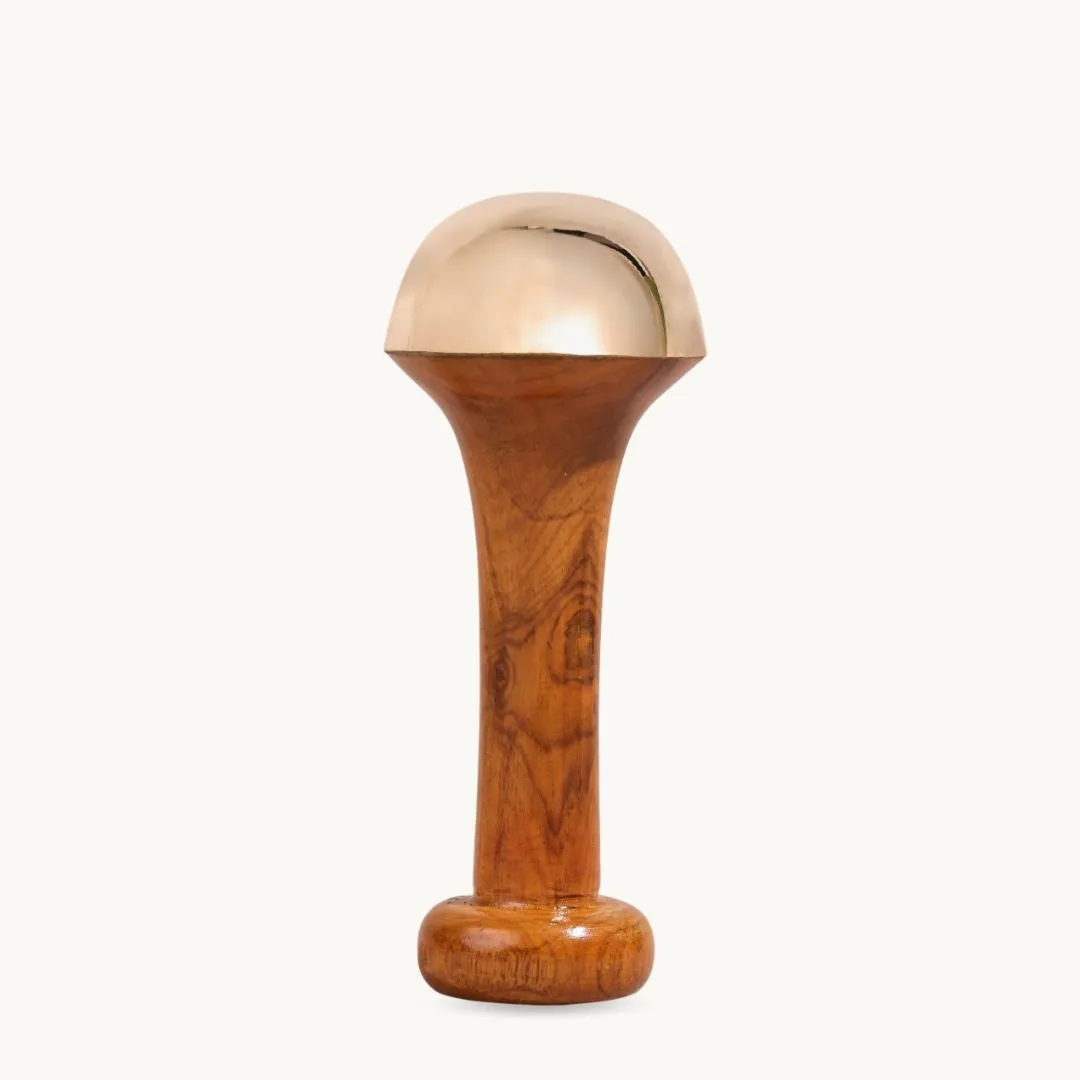
The Kansa Abhyanga Wand is the full-body counterpart to the Kansa facial wand - a larger, longer-handled tool designed for Abhyanga (classical Ayurvedic oil massage) on the body. Where the facial Kansa wand is used for the delicate, precise work of facial Marma massage, the Abhyanga Wand is sized and shaped for the broader surfaces of the arms, legs, back, and torso.
Classical Abhyanga - the full-body warm oil massage described in the Ashtanga Hridayam as a foundational Dinacharya practice - has always been understood as both a physical and an energetic practice. The combination of classical Ayurvedic oils with the Kansa metal's traditional Pitta-cooling and heat-addressing properties creates a body massage practice that is greater than either element alone.
Classical Abhyanga: The Foundation
The Ashtanga Hridayam (Sutrasthana, Chapter 2) describes Abhyanga in foundational terms: it supports Jaraharavyayadhi (resistance to the effects of aging and fatigue), the strength and firmness of the body (Dridhatva), the clarity and nourishment of the skin (Twak prasadam), and the quality of sleep and rest. It is one of the few Dinacharya practices recommended for virtually all constitutions, with appropriate oil selection providing the necessary adaptation.
The Kansa Abhyanga Wand brings the classical practice into a tool-based format - allowing for more consistent, even pressure across the body surface than hands alone, and adding the Kansa metal's traditional properties to the practice.
How the Kansa Abhyanga Wand Differs from Hands-Only Abhyanga
Both approaches are valid and have their place in classical Ayurvedic practice. The key differences:
-
Consistency of pressure: The wand allows for more even, consistent pressure across large surface areas - particularly the back, thighs, and outer arms.
-
Reach: The handle allows the practitioner to reach areas that are difficult to massage effectively with the hands alone - particularly the middle and lower back.
-
Kansa contact: The wand adds the traditional Pitta-cooling properties of Kansa metal to the massage - drawing heat from the superficial tissues during application.
-
Fatigue: For self-massage practitioners, the wand reduces hand and wrist fatigue, making it easier to maintain a regular daily practice over time.
How to Use the Kansa Abhyanga Wand
Preparation
-
Warm your oil: Select an appropriate classical Abhyanga oil (see below) and warm it in a bowl set in warm water. The oil should be comfortably warm - particularly important in the classical context, as cold oil is contraindicated for Vata conditions and classical Abhyanga practice in general.
-
Prepare your space: Use an old towel on the floor or in the bath area - oil application inevitably involves drips. Have a warm shower or bath ready for after the practice.
The Technique
Classical Abhyanga uses long strokes along the limbs (anulomam - in the direction of the body hair) and circular strokes at the joints. The Kansa Abhyanga Wand is used in the same pattern:
-
Arms: Apply oil to the arm, then work the wand in long strokes from the shoulder to the wrist, followed by circular movements at the elbow and wrist joints.
-
Legs: Long strokes from the hip toward the knee, then knee to ankle. Circular movements at the knee and ankle joints. Additional circular work on the sole of the foot (though the smaller Kansa Vatki is more appropriate for dedicated foot massage).
-
Torso: Circular movements on the abdomen (clockwise, following the direction of peristalsis). Long strokes upward on the chest and sides of the torso.
-
Back: Use the wand to reach the lower back with long downward strokes and circular movements at the sacrum - an area of Apana Vata that greatly benefits from regular oil and massage attention.
-
Thighs: The wand is particularly effective for the outer thighs - a broad, flat surface well-suited to the longer contact area of the wand head.
Retention and Bathing
Allow the oil to remain on the skin for fifteen to twenty minutes after completing the full body application. The classical texts recommend this period of retention before bathing to allow penetration of the oil into the skin and deeper tissues. Bathe with warm water - avoid very hot water, which disperses the oil too rapidly and reduces its benefits.
For a complete step-by-step Abhyanga guide, see our full Abhyanga practice guide.
Classical Oils for Use with the Kansa Abhyanga Wand
Oil selection follows the same dosha-based principles as all classical Abhyanga practice. The most appropriate choices by constitution and condition:
-
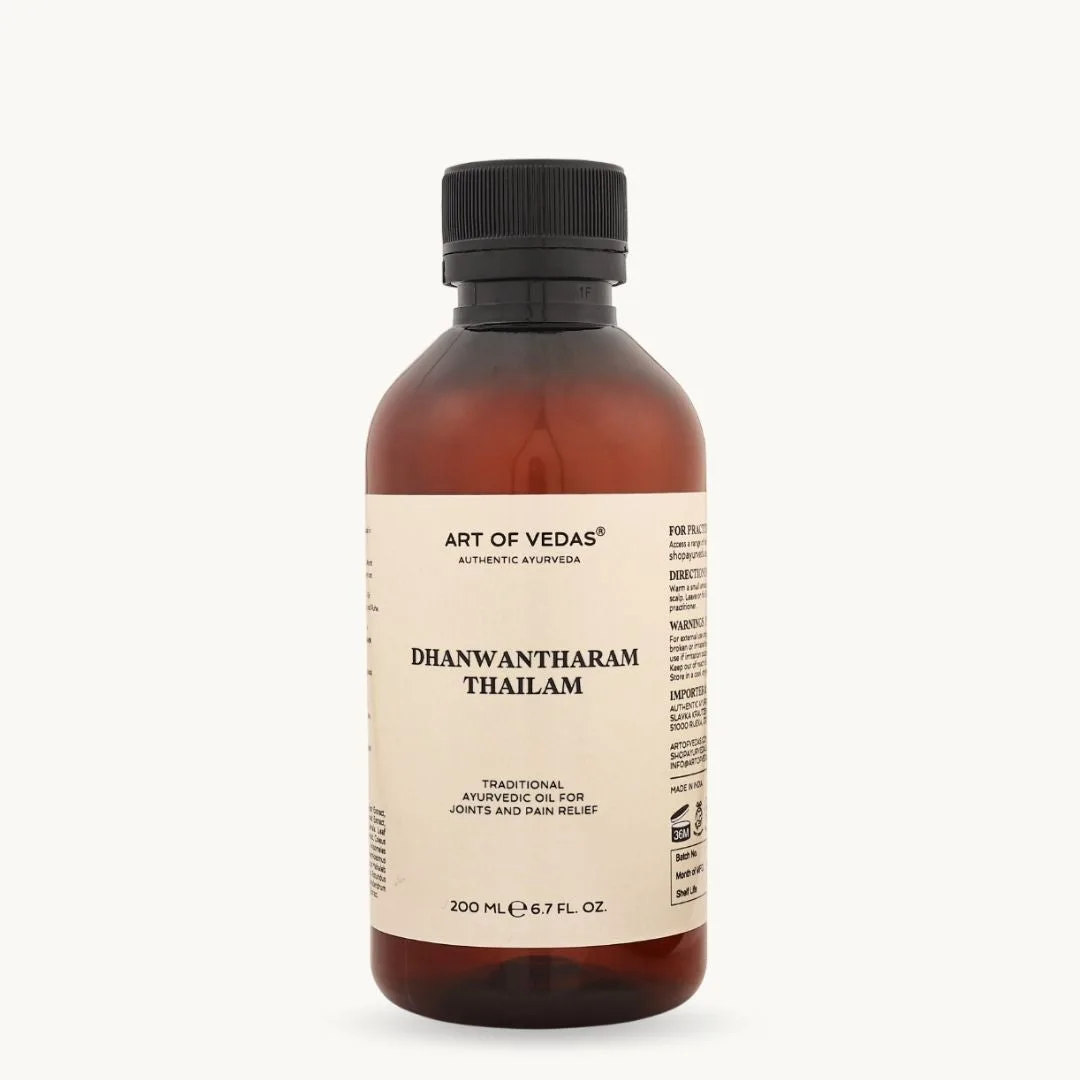
Dhanwantharam Thailam: The classical Vata-balancing full-body oil - particularly appropriate for autumn and winter, and for Vata-type constitutions. See our Dhanwantharam guide.
-
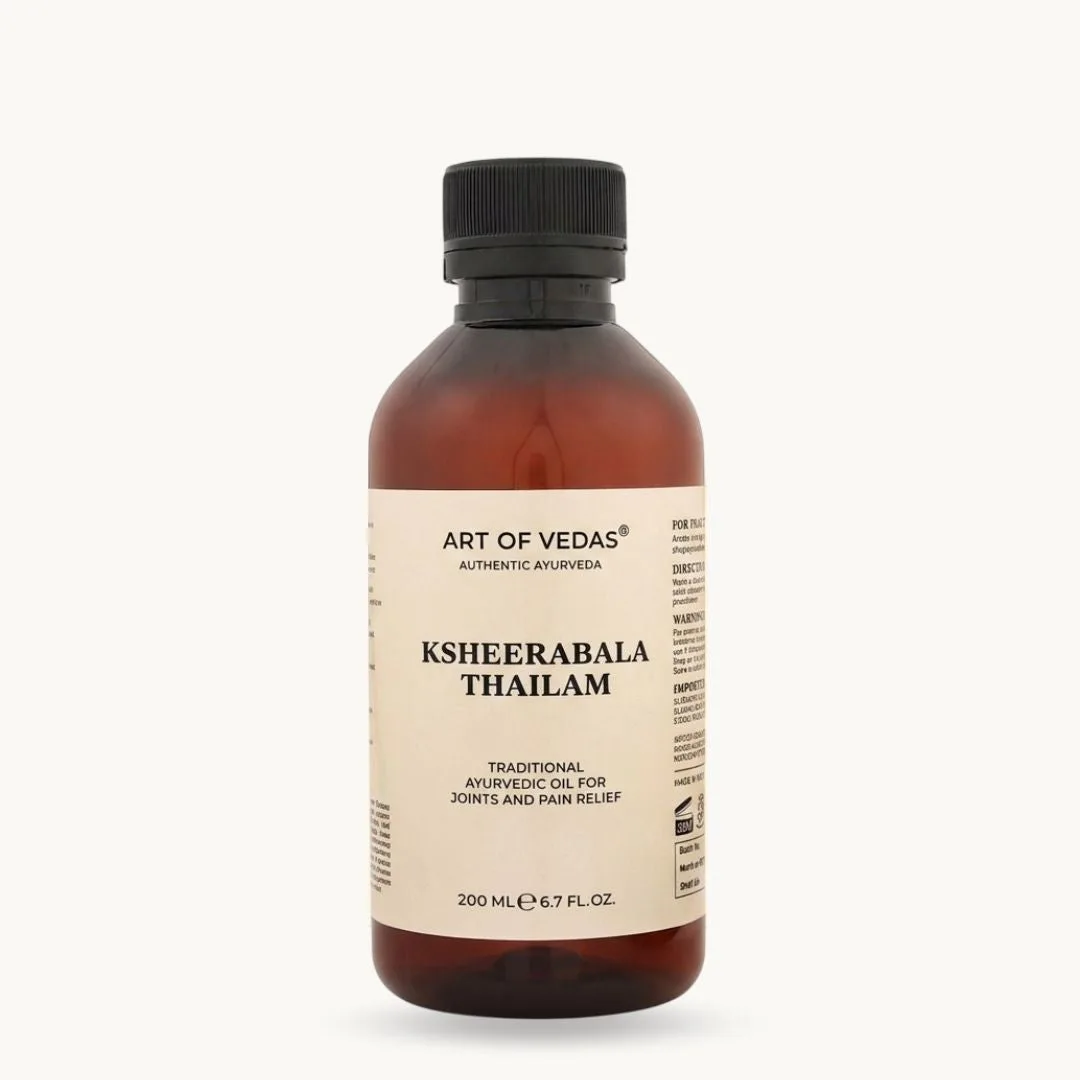
Ksheerabala Thailam: For Vata conditions with additional need for nourishment and nervous system support - the milk processing gives this oil a particularly deep and nourishing character. See the Ksheerabala guide.
-
Narayana Thailam: For comprehensive Sarva Vata hara - the classical choice when Vata is elevated across the whole body. See the Narayana Thailam guide.
-
Sahacharadi Thailam: For the lower body, feet, and legs - a classical lower-body Vata oil with specific Pada (foot) and Kati (lower back) application context. See our Sahacharadi guide.
-
Sesame oil (Tila Taila): The classical everyday Abhyanga oil - Vata-nourishing, warming, and appropriate as a standalone daily option for most constitutions in temperate climates.
For a comprehensive comparison of all classical body oils, see our guide to comparing classical Ayurvedic oils.
The Kansa Abhyanga Wand in the Complete Kansa Practice
The various Kansa tools are designed to work together as a complete practice system:
-
Morning: Kansa Wand facial massage (five to ten minutes) + Kansa Scalp Massager for Shiro Abhyanga (five to fifteen minutes)
-
Full Abhyanga practice (weekly or several times weekly): Kansa Abhyanga Wand for full body
-
Evening: Kansa Vatki for Pada Abhyanga foot massage (five to ten minutes)
-
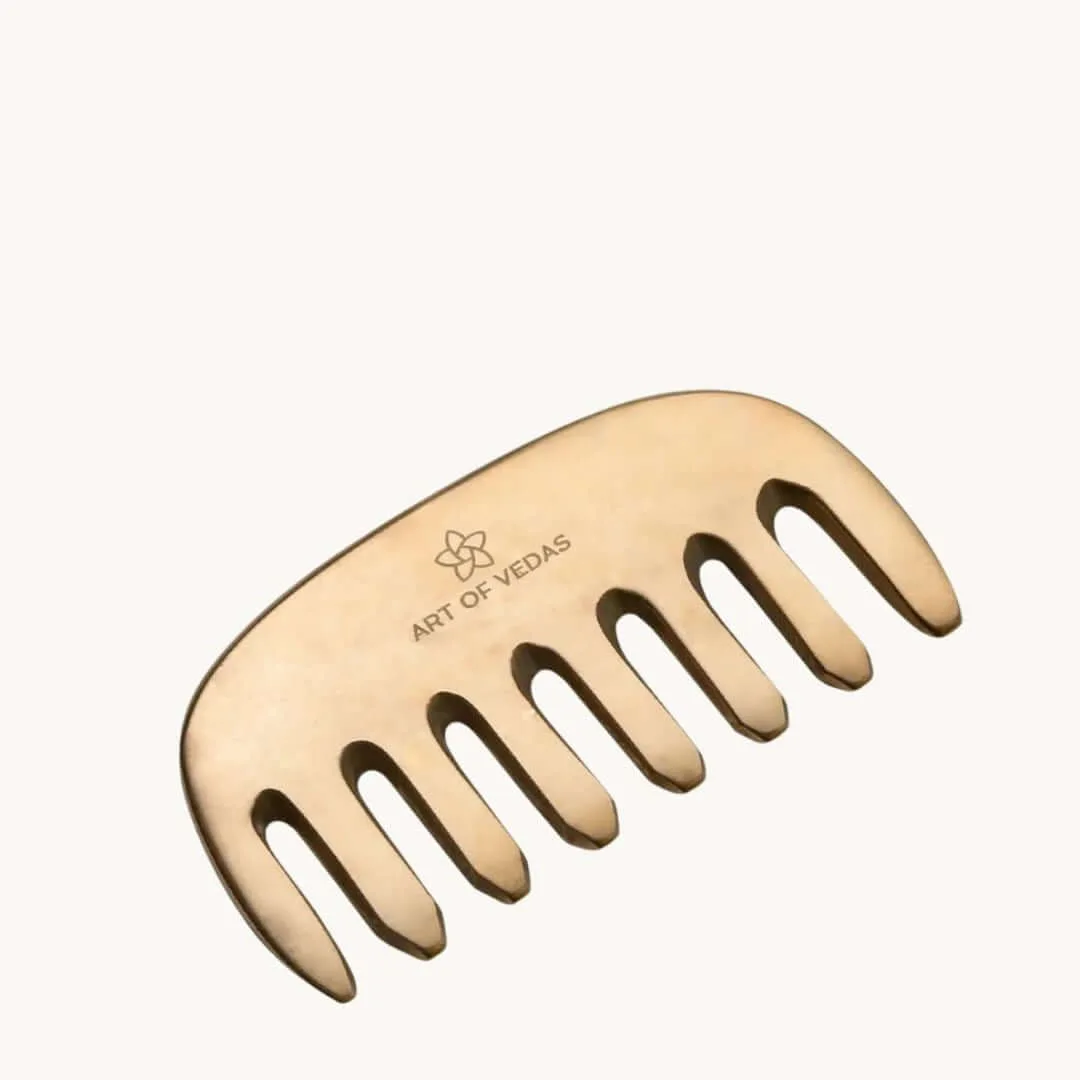
Regular hair care: Kansa Comb for daily hair oiling and scalp stimulation
This layered approach covers the key body regions and practices of classical Dinacharya, using the Kansa metal's traditional properties throughout.
Frequently Asked Questions
What is the Kansa Abhyanga Wand used for?
The Kansa Abhyanga Wand is used for classical full-body Abhyanga - Ayurvedic warm oil massage. It is designed for use on the arms, legs, torso, and back, using long strokes and circular joint movements in the classical Abhyanga technique. The Kansa metal adds the traditional Pitta-cooling and heat-drawing properties of bell metal to the massage practice.
How is the Abhyanga Wand different from the Kansa facial wand?
The Kansa facial wand is a smaller, shorter-handled tool designed specifically for the delicate work of facial Marma massage. The Abhyanga Wand is larger, longer-handled, and designed for the broader surfaces of the body. The two tools are complementary - facial wand for the face, Abhyanga Wand for the body.
How often should I use the Kansa Abhyanga Wand?
Daily full-body Abhyanga is the classical ideal. For most modern practitioners, two to three full-body Abhyanga sessions per week with the wand, supplemented by daily hand application of oil to key areas, is a meaningful and achievable practice. The cumulative benefits of consistent practice are more significant than the frequency of any single week.
What oil is best for use with the Kansa Abhyanga Wand?
Dhanwantharam Thailam and Ksheerabala Thailam are the classical choices for full-body Vata-type Abhyanga. Sahacharadi Thailam is particularly recommended for the lower body and feet. For a simpler daily practice, plain sesame oil is always appropriate. The oil should be warmed before use.
Is the Kansa Abhyanga Wand suitable for self-massage?
Yes. The wand is specifically designed to make self-Abhyanga more accessible and effective - particularly for areas like the back and outer thighs that are difficult to massage effectively with hands alone. Classical Ayurveda fully supports self-administered Abhyanga as a meaningful daily practice.
Explore the Full Kansa Collection
Discover the Kansa Abhyanga Wand from Art of Vedas, made from traditional Kansa bell metal. Browse our full range of Kansa ritual tools, and explore our complete Abhyanga guide and Dinacharya daily routine guide for the complete practice context.
This article is for informational and educational purposes only. The Kansa Abhyanga Wand is a traditional Ayurvedic wellness tool intended for use as part of a self-care routine. It is not a medical device and is not intended to diagnose, treat, cure, or prevent any medical condition. Consult a qualified Ayurvedic practitioner for personalised guidance.