In brief: Most Panchakarma rooms are built around four large pieces: the Dhroni table, the Shirodhara stand with its vessel, a Swedana box and, where immersion treatments are offered, an Avagaha tub. Everything else is small equipment bought in multiples, one set per treatment running at the same time.
The four large pieces
The Dhroni table
The Dhroni, also written Droni, is the classical wooden treatment table. Its surface is slightly hollowed or channelled so that oil runs off and can be collected, which is why it is the table for Abhyanga (classical warm oil massage) and Pizhichil, the warm oil stream poured over the whole body. Before buying, check that the surface drains to a collection point, that the wood is sealed against oil, and that the table stands firm when two therapists work on either side.
The Shirodhara stand and vessel
Shirodhara, the continuous stream of warm oil over the forehead, needs a vessel held steadily at the right height and angle above the head. The stand does the holding; the vessel does the pouring. Shirodhara vessels come in brass, the traditional material, and in stainless steel, which some centres prefer for daily cleaning. Check that the stand adjusts in height, that its base does not move when the vessel is full, and that the oil can be caught and returned without spills.
The Swedana box
Swedana is herbal steam, one of the classical preparatory treatments of Panchakarma. The Swedana box is a steam cabinet in which the client sits with the head outside, as the classical practice keeps the head cool. Check how the steam is generated and regulated, how the interior is cleaned between clients, and how easily a client gets in and out.
The Avagaha tub
Avagaha is immersion in a warm preparation, usually a herbal decoction or a medicated liquid, in which the client sits or reclines. The tub is the one large piece a centre adds only when the treatment is on its menu. Check its size against the room, how it drains, and whether its material can be cleaned thoroughly after each client.
Small equipment, bought in multiples
- Basti rings and yantras hold warm oil over one area: rings for Greeva, Janu and Hrid Basti, and the Greeva, Netra and Hrid Basti yantras. Reusable rings save the time a dough ring takes to prepare.
- Nasya vessels: Gokarna vessels in brass, in two sizes, for measured nasal application.
- Netra Prakshalana cups for the eye area.
- The Nadi Swedana tool for localised steam delivered through a tube.
- Kizhi supplies: Pinda Swedana bags, Kizhi cloth by the 30 metre roll and Navara rice in 1 kg for Navarakizhi.
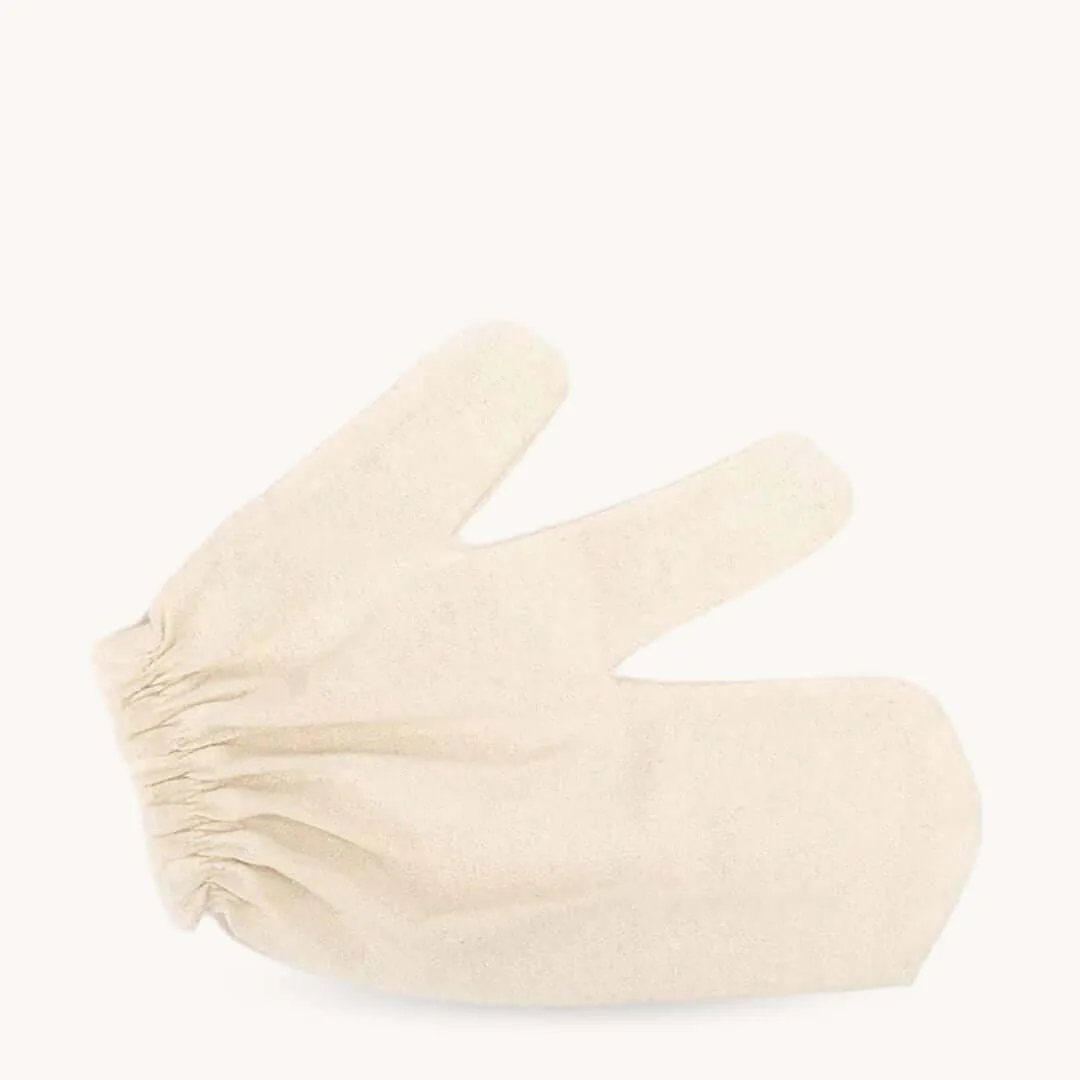
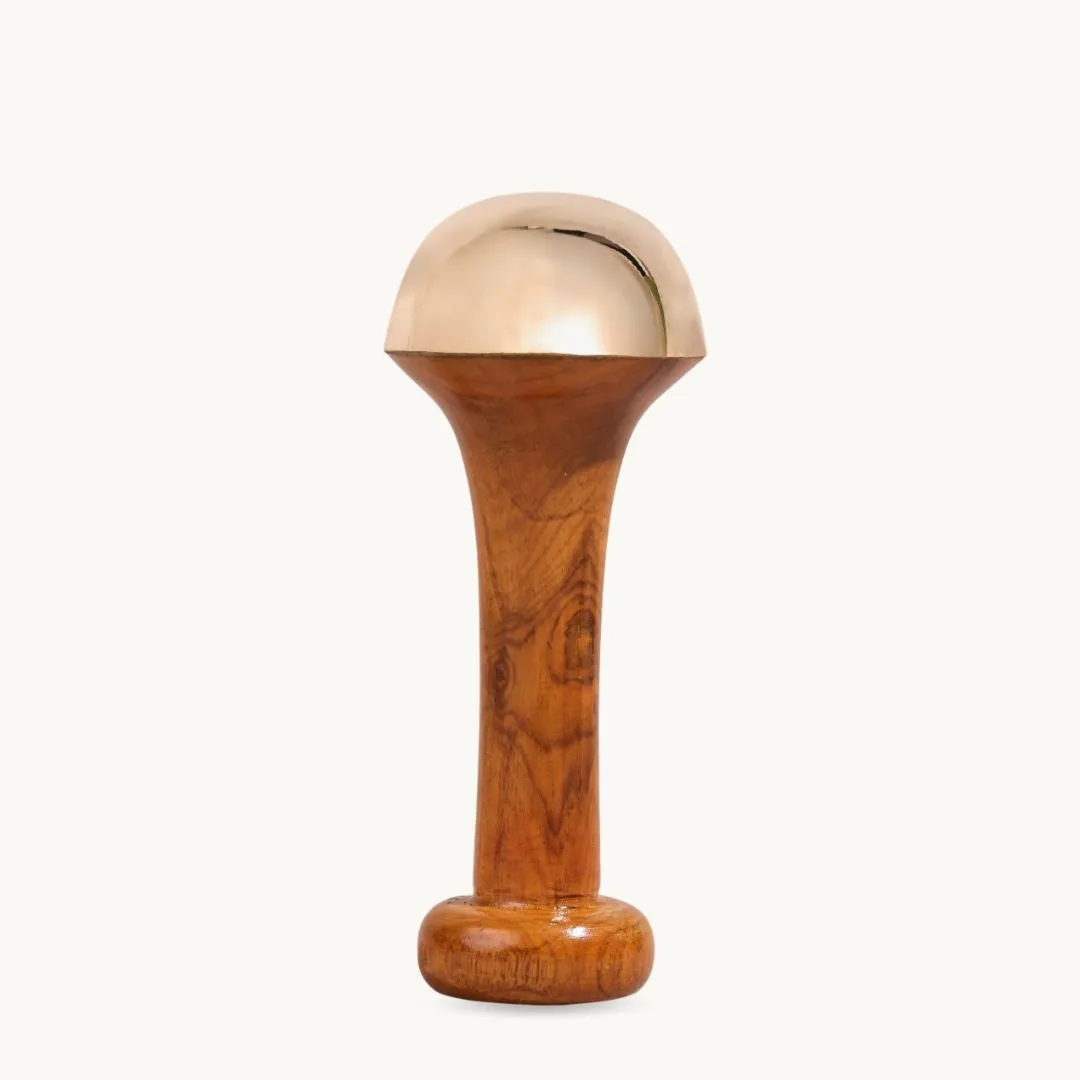
- Therapist tools: Garshana gloves for dry massage, and Kansa tools such as the Kansa Abhyanga Wand and the Kansa Vatki.
Buy small equipment in the number of treatments you run at the same time, plus one set in reserve for cleaning and replacement. A centre running two Kati Basti rooms in parallel needs at least three rings.
Hygiene and handling
Clean every piece that has touched a client before the next one, and dry it completely before storage. Keep oil from each treatment in its own labelled vessel, never return it to a shared container, and check the temperature of warm oil before it reaches the client. Wooden tables and brass vessels need more attention than steel: follow a fixed cleaning routine rather than cleaning when it looks necessary.
Ordering equipment
Large equipment is supplied by quotation through Shop Ayurveda EU, our platform for professional buyers, and it is delivered on the lead time stated in the quotation. Smaller pieces are also listed in our Panchakarma instruments collection. For a new centre we map the equipment to your treatment menu together with the opening range of oils and powders; the wholesale page sets out how, and our guide to setting up an Ayurvedic treatment room covers the room itself.
Common questions
What does a new Panchakarma room need first?
The Dhroni table and the Shirodhara stand with its vessel, then a Swedana box and the small equipment for the procedures on your menu. The Avagaha tub follows only if immersion treatments are offered.
How is large equipment ordered?
By quotation, through an equipment request in your Shop Ayurveda EU account. The quotation states the lead time, and delivery follows it.
Can equipment and oils be ordered from the same account?
Yes. Oils and powders are ordered from the catalogue, and equipment through a separate quotation request in the same account.