This article is part of our Dosha Assessment Guide series.
What Is Pitta Dosha?
Pitta is the Dosha composed of Fire (Agni) and Water (Jala). It governs transformation in the body: digestion of food, metabolism of nutrients, processing of sensory information, and the ability to discriminate between right and wrong. Where Vata moves and Kapha stabilises, Pitta transforms.
The qualities (Gunas) of Pitta are: hot, sharp, light, liquid, oily, and spreading. These qualities manifest in both the body and mind of people with a predominantly Pitta constitution. Understanding them is the key to maintaining balance.
Physical Characteristics of Pitta Types
People with a predominantly Pitta constitution tend to share recognisable physical traits:
-
Body frame: medium build, moderate weight, well-proportioned. Muscular development comes relatively easily
-
Weight: moderate and relatively stable. Can gain or lose weight with deliberate effort
-
Skin: warm to the touch, often with a slightly reddish or coppery tone. Sensitive to sun and heat. May be prone to redness, sensitivity, or occasional breakouts
-
Hair: fine, straight, often light brown or reddish. May thin or grey prematurely
-
Eyes: sharp, bright, often green, grey, or amber. Sensitive to bright light
-
Appetite: strong and regular. Pitta types become noticeably irritable when they miss a meal
-
Digestion: strong, sometimes overly so. May experience heartburn or acid reflux if digestion becomes too active
-
Sleep: moderate, sound. Falls asleep easily but may wake in the early hours if Pitta is aggravated
-
Temperature preference: dislikes heat. Gravitates toward cool environments
Mental and Emotional Patterns
Pitta governs intellect, courage, and the capacity for focused effort. In balance, Pitta types are:
- Intelligent, articulate, and decisive
- Natural leaders with a clear sense of purpose
- Organised and goal-oriented
- Courageous, confident, and direct
- Quick to understand complex ideas
When Pitta becomes excessive, the same intensity can become destructive:
- Irritability, impatience, or a short temper
- Perfectionism and excessive criticism, of self and others
- Competitiveness that strains relationships
- Difficulty delegating or accepting imperfection
- Burnout from sustained overwork
Pitta in balance is focused and productive. Pitta out of balance is driven and depleted.
What Aggravates Pitta
Anything that shares Pitta's hot, sharp, intense qualities will increase it:
-
Hot weather: summer is Pitta season. Heat, humidity, and direct sun exposure accumulate Pitta
-
Spicy, sour, and salty foods: chillies, vinegar, fermented foods, excessive salt
-
Alcohol and caffeine: both increase heat and acidity
-
Competitive environments: high-pressure work, arguments, confrontation
-
Skipping meals: Pitta's strong digestive fire turns inward when there is no food to process
-
Excessive sun exposure: sunbathing, outdoor exercise in midday heat
-
Overwork: pushing past the point of healthy effort into sustained intensity
Diet for Pitta Constitution
The ideal Pitta diet emphasises cooling, calming, and moderately substantial foods. The tastes that balance Pitta are sweet, bitter, and astringent.
Foods That Support Pitta Balance
-
Grains: basmati rice, wheat, oats, barley. Cooling and grounding
-
Vegetables: cucumber, courgette, leafy greens, broccoli, cauliflower, sweet potatoes, fennel. Raw salads are acceptable for Pitta (unlike Vata)
-
Fruits: sweet fruits such as grapes, melons, pears, sweet apples, cherries, and coconut. Avoid sour citrus in excess
-
Dairy: milk (cool or room temperature), ghee, soft unsalted cheese, butter. Ghee is considered the best fat for Pitta
-
Proteins: mung dal, chickpeas, tofu, sunflower seeds. Light and cooling
-
Oils and fats: ghee, coconut oil, sunflower oil. Reduce sesame oil, which is warming
-
Spices: coriander, fennel, cardamom, turmeric (in moderation), mint, dill, saffron. These are cooling or neutral spices
Foods to Reduce
- Chillies, cayenne, and hot spices
- Tomatoes, raw onions, garlic (all heating)
- Sour fermented foods: vinegar, pickles, hard cheeses
- Red meat and fried foods
- Alcohol, especially spirits and red wine
- Coffee in excess (one cup may be tolerable; three is not)
Eating Habits
Pitta's strong digestion means regular meals are essential. Never skip lunch, which is the main meal for Pitta types. Eat in a calm, unhurried atmosphere. Avoid eating while working or in heated discussions. A light dinner before 7 PM supports sound sleep.
Lifestyle Practices for Pitta Balance
Daily Routine (Dinacharya)
Structure benefits Pitta, but flexibility matters too. The goal is disciplined ease, not rigid control:
-
Wake time: early morning, before the heat of the day. A walk in nature before breakfast is ideal
-
Exercise: moderate intensity. Swimming, cycling, hiking, yoga (avoid heated styles). Exercise in the cooler morning or evening hours, never at midday in summer
-
Cooling oil massage: coconut oil or a cooling Thailam applied before bathing. Less essential than for Vata, but beneficial 3 to 4 times per week
-
Meditation: particularly valuable for Pitta. Practices that cultivate patience and compassion counterbalance Pitta's driven quality
-
Leisure time: Pitta types must deliberately schedule time for non-productive activities. Walking in nature, gardening, or being near water
-
Bedtime: by 10 PM. The hours between 10 PM and 2 AM are Pitta time; staying up late activates the mind and disrupts sleep quality
Seasonal Care
Summer is Pitta season, and careful management during these months prevents accumulation. Stay cool, eat cooling foods, reduce intense exercise, wear light clothing, and spend time near water. Apply cooling oils such as sandalwood or coconut before sun exposure.
Autumn is considered the time when accumulated summer Pitta releases, making it an ideal season for gentle cleansing practices under practitioner guidance.
Oils for Pitta
Pitta types benefit from cooling, soothing oils that calm heat and sensitivity.
Recommended Thailams
-
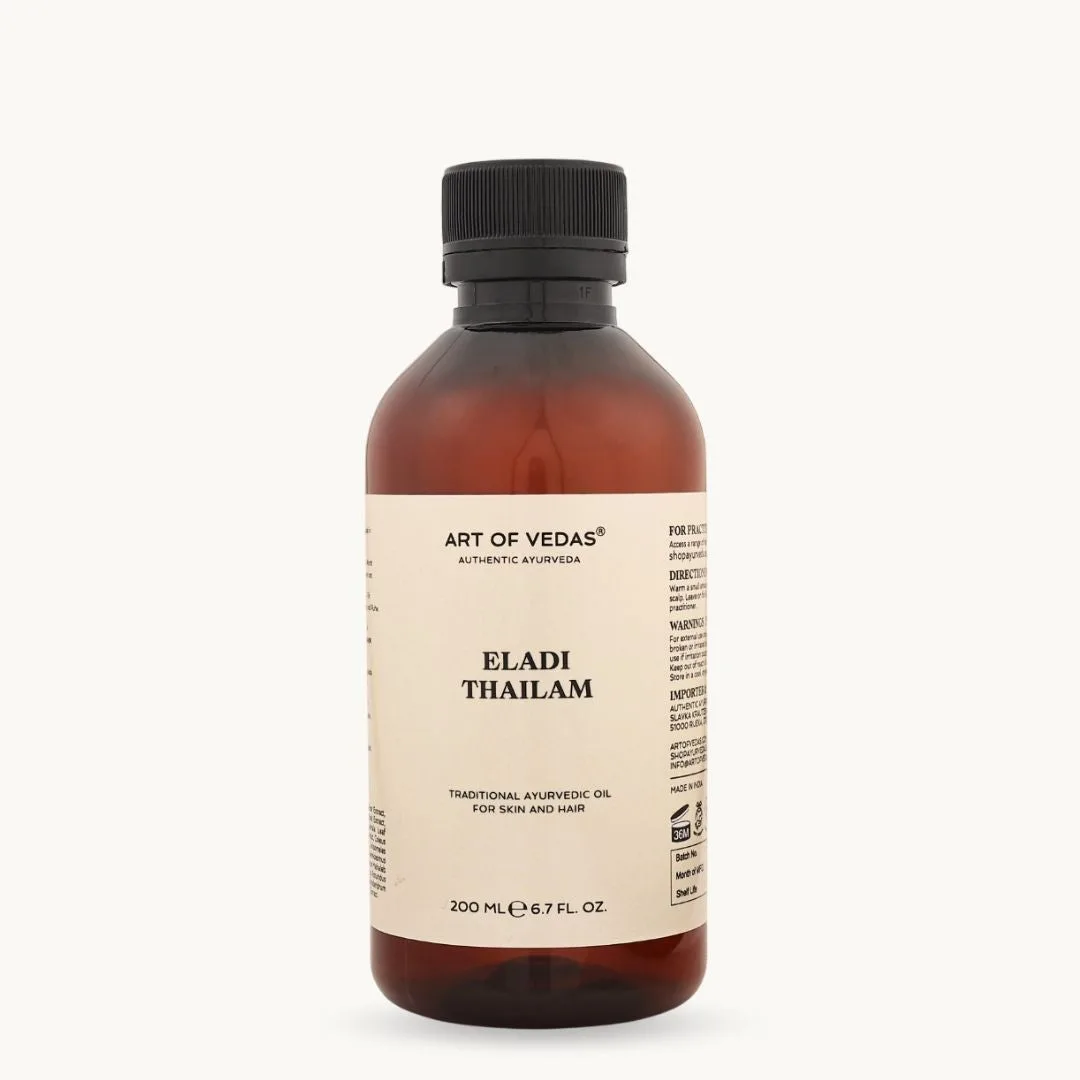
Eladi Thailam: coconut oil base with cardamom, sandalwood, and other cooling herbs. Excellent for facial massage and head application
-
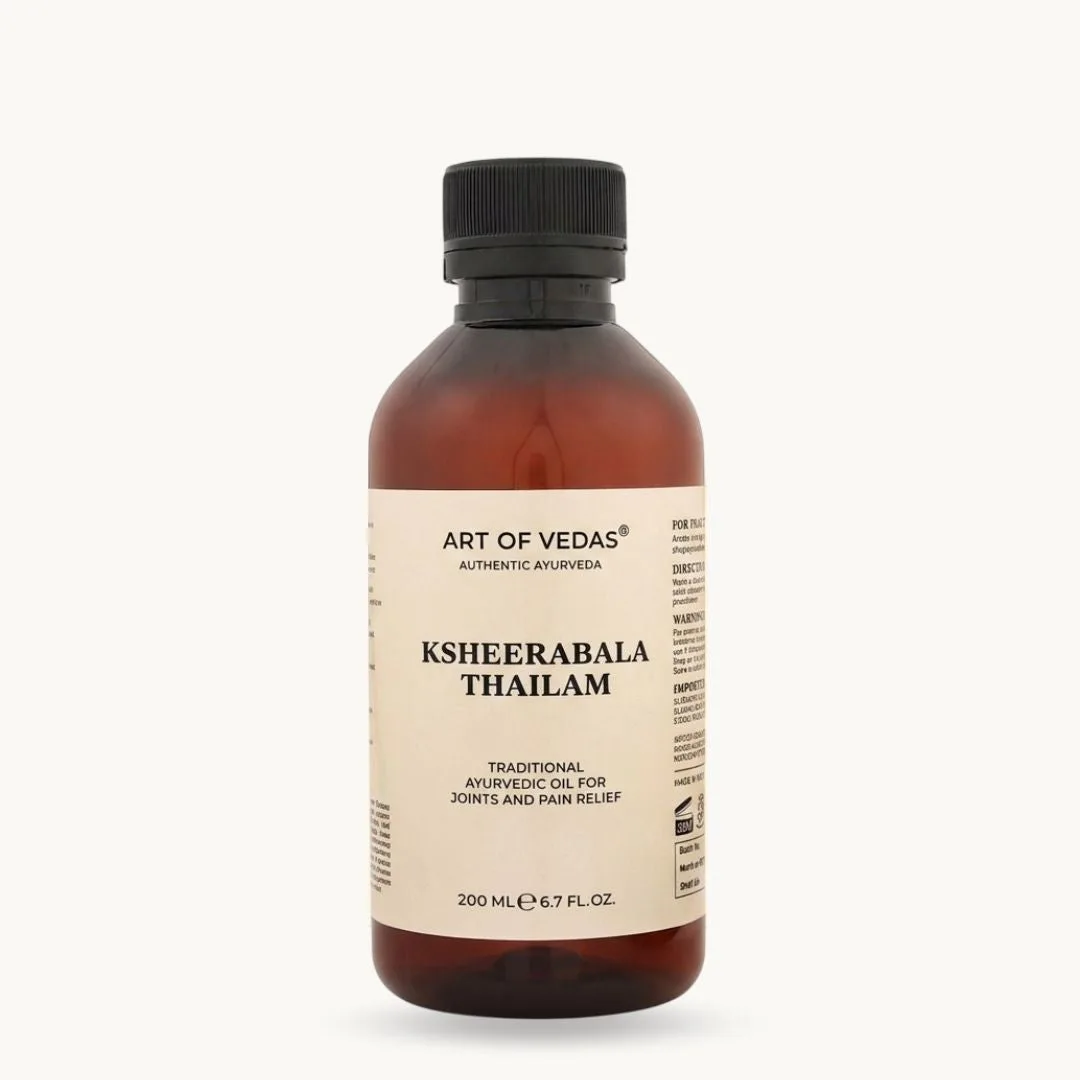
Ksheerabala Thailam: milk-based preparation with Bala. Cooling and calming, suitable for Shirodhara and head massage
-
Chandanadi Thailam: sandalwood-based, deeply cooling. Used for head and body application in Pitta conditions
-
Plain coconut oil: organic, cold-pressed coconut oil is an excellent everyday choice for Pitta self-massage, especially in warm weather
Avoid warming oils like Kottamchukkadi or heavily sesame-based formulations during summer months. For a full comparison, read our guide to Ayurvedic oils.
Herbs for Pitta
Classical Ayurveda recommends cooling, bitter herbs to balance Pitta. These should be taken under practitioner guidance:
-
Amalaki (Indian gooseberry): cooling, nourishing, and one of the best Rasayanas for Pitta. One of the three fruits in Triphala
-
Shatavari: the premier female Rasayana, cooling and nourishing for Pitta in both women and men
-
Brahmi (Bacopa monnieri): cooling herb traditionally used to support mental clarity and calm
-
Guduchi (Tinospora cordifolia): bitter and cooling, traditionally used to support the body's natural resilience
-
Triphala: the balanced three-fruit formula supports healthy digestion without aggravating Pitta's already strong fire
When Pitta Goes Out of Balance
The classical signs of Pitta aggravation include skin redness or sensitivity, heartburn, excessive thirst, irritability, impatience, inflammation, and a feeling of internal heat. If you recognise these patterns, increase cooling practices: cooler foods, less spice, time in nature, cooling oils, and deliberate rest.
Persistent Pitta imbalance warrants consultation with a qualified Ayurvedic practitioner. Pitta types often resist asking for help, believing they can manage everything themselves. Recognising when to seek guidance is itself a balancing practice.
Related Resources
To understand your full constitutional picture, visit our Dosha Assessment Guide. For the complementary air constitution, read our guide to Vata type. Learn about the daily oil massage practice in our Abhyanga guide.