Choosing the right Abhyanga oil is the most important decision in a self-massage practice, and the classical texts take it seriously: the oil is matched to constitution, to season and to the purpose of the routine. This guide from Art of Vedas walks through that choice step by step, so that the bottle on your shelf is the one your practice actually asks for.
What Makes an Oil Right for Abhyanga
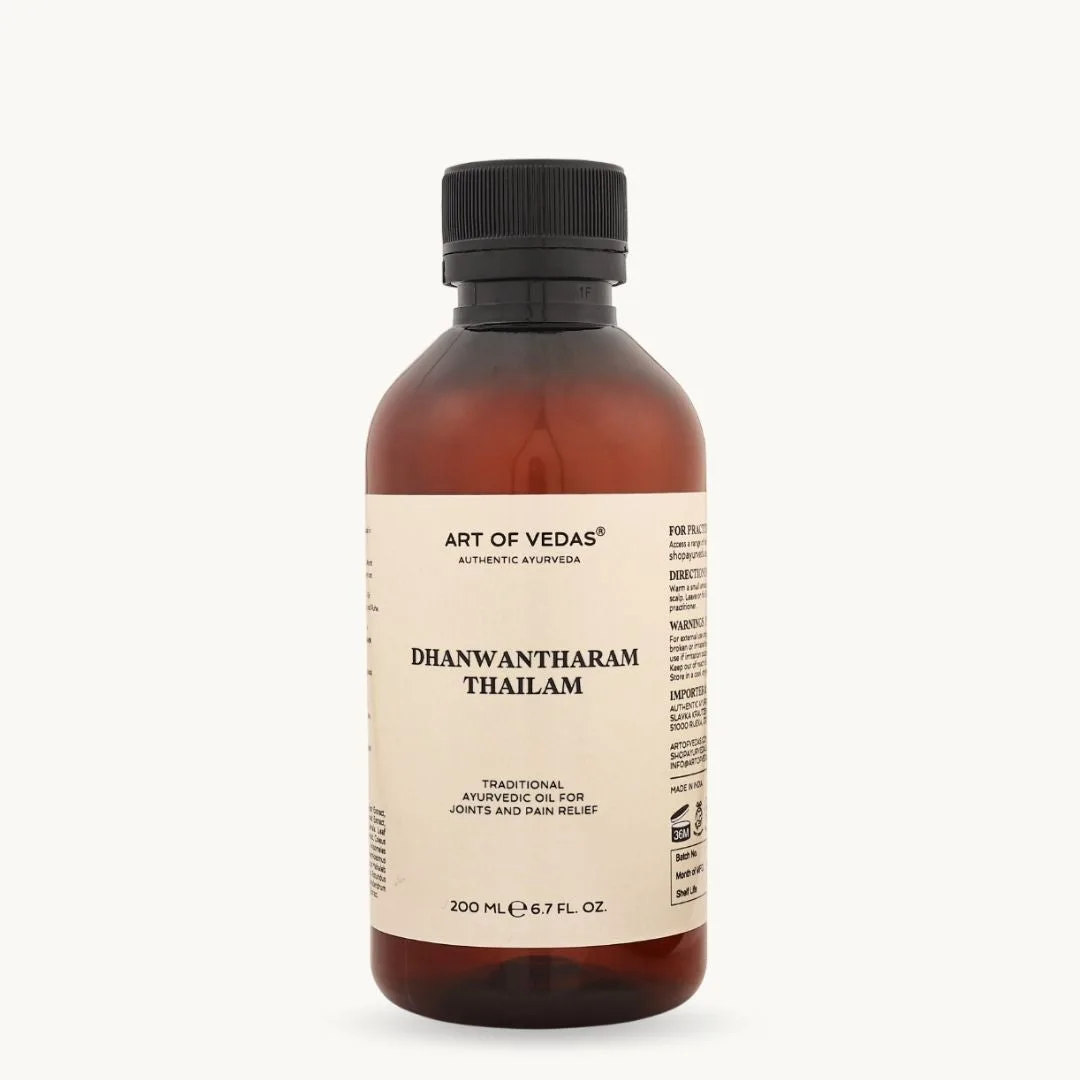
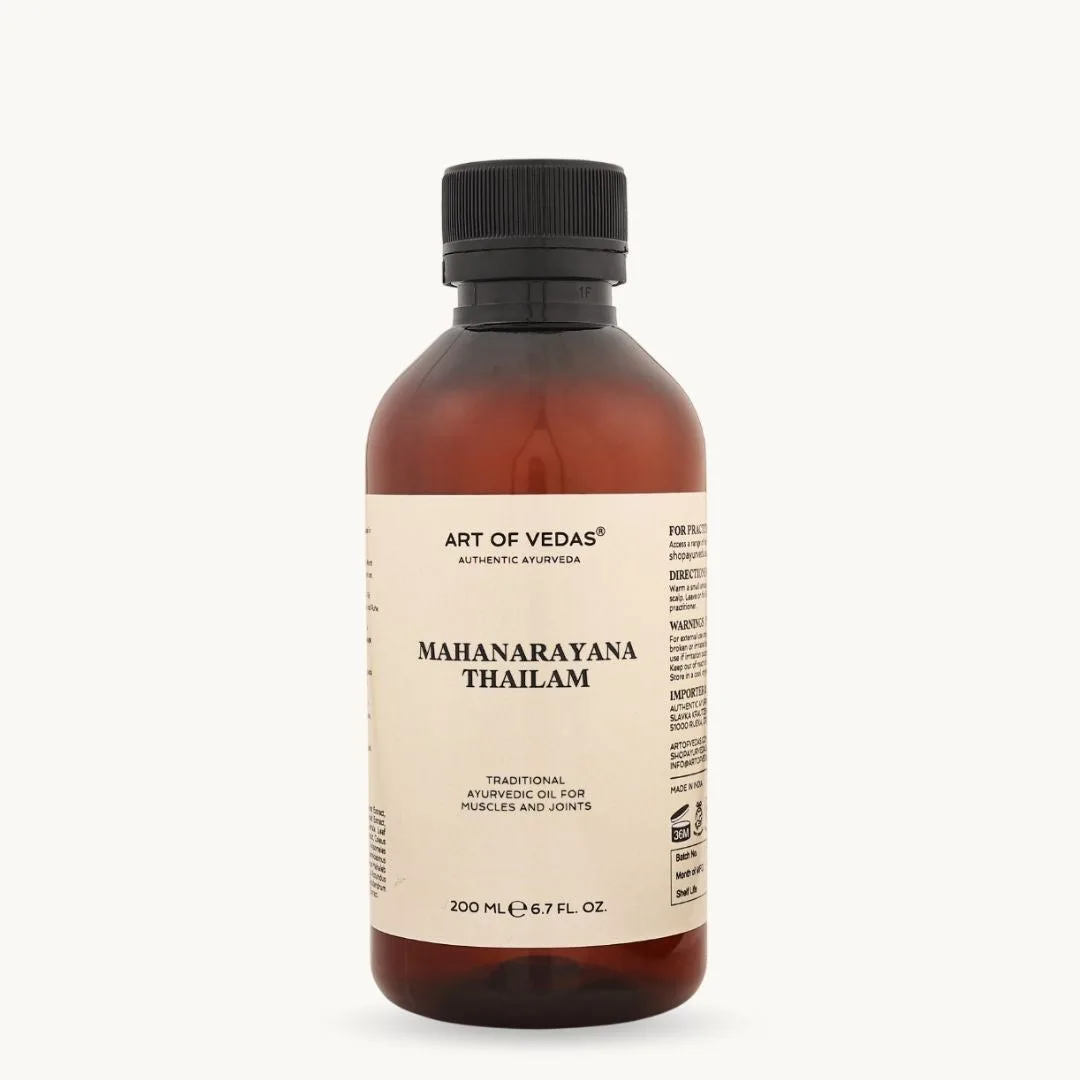
Any Abhyanga oil must do two things: glide well enough for long, unhurried strokes, and carry a character suited to the person using it. A plain cold-pressed oil such as sesame does this in its simplest form. A classical Thailam goes further: the base oil is slowly processed with herbal decoctions and pastes according to a recorded formula, so the finished preparation carries the character of its botanicals as well as the oil. Mahanarayana Thailam, for example, is a sesame-based composition prepared with a famously long list of classical herbs, while Dhanwantharam Thailam is built around Bala, one of the most respected plants of the tradition. The full comparison of the three great classics is drawn in our guide comparing Mahanarayana, Dhanwantharam and Ksheerabala.
Choosing by Dosha
Constitution comes first. Vata, the principle of movement, cold and dryness, asks for warming, substantial oils: Mahanarayana Thailam for routines centred on the joints and lower back, or Dhanwantharam Thailam as the gentler all-round Vata classic. Our dedicated guide to the best oils for Vata goes deeper. Pitta constitutions lean towards cooling, moderate preparations and lighter technique. Kapha routines favour lighter oils, smaller quantities and a brisker hand. If you do not yet know your constitution, a balanced composition such as the Tri Dosha massage oil is a considered starting point.
Choosing by Season and Routine
Season adjusts the choice. The European autumn and winter raise Vata for almost everyone, which argues for warmer, richer preparations and an evening rhythm. Spring, the Kapha season, suits lighter oils and morning use. High summer moderates the warming classics in favour of cooler routines. Purpose matters as much: a daily whole-body practice is best served by a dependable base such as cold-pressed sesame oil, while focused work on a particular region justifies a dedicated classical formula.
A Simple Decision Path
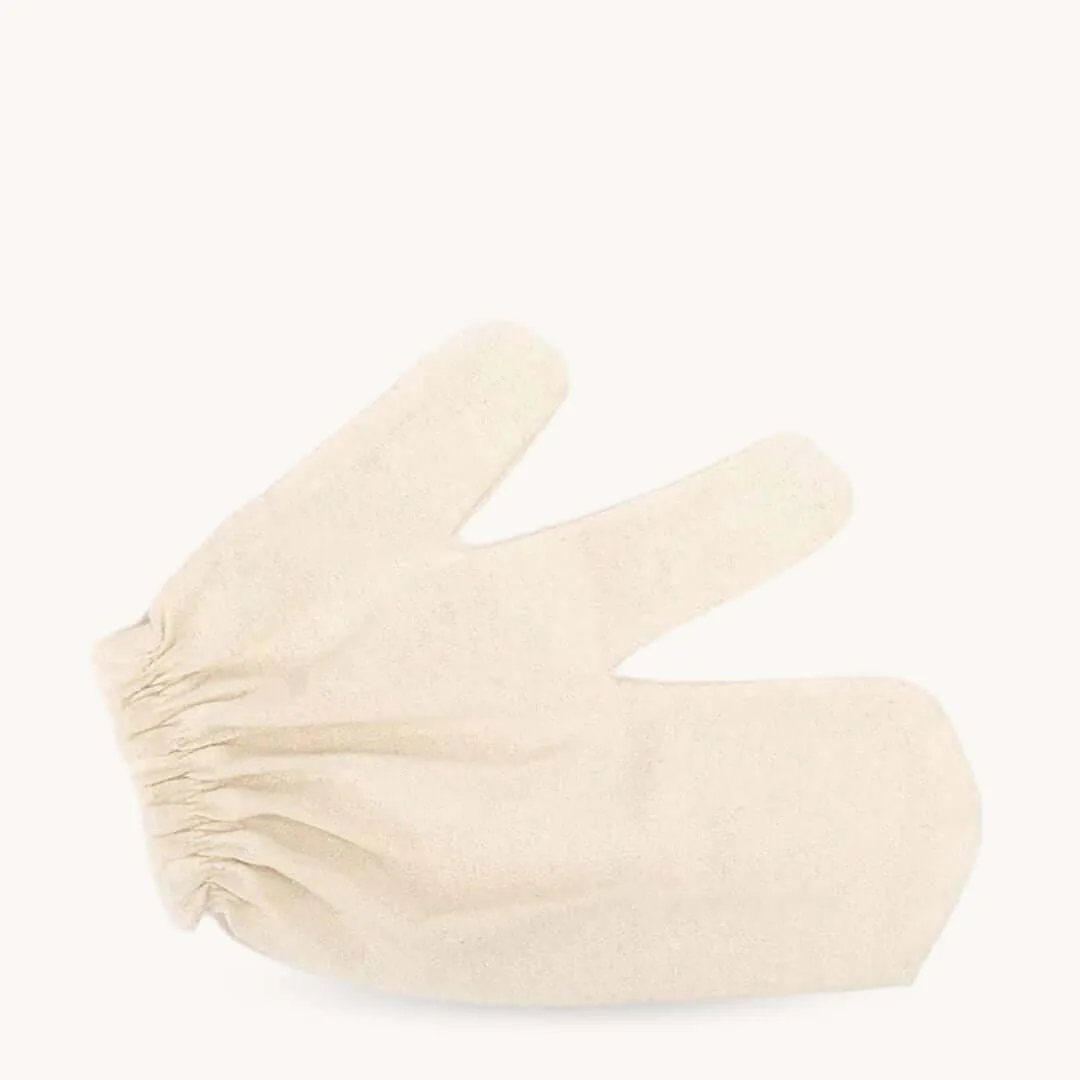
Begin with three questions. First, do you know your constitution? If yes, let it lead; if not, begin balanced or seek a consultation. Second, what does the season ask? Warmer and richer in the cold months, lighter in spring. Third, what is the routine for? Daily maintenance points to a plain or gently herbal oil; a specific intention points to the matching classical Thailam. Tools follow the same logic, and our guide to Ayurvedic self-massage tools shows how a Kansa wand or Garshana gloves pair with the oil you choose.
- A routine you keep, because the oil suits your constitution
- Warmth and substance matched to the season
- A clear purpose for every bottle on the shelf
- Sensible economy: the daily base and the dedicated formula each do their own work
- A foundation the rest of the practice, tools included, can build on
Frequently Asked Questions
I do not know my Dosha. Where should I start?
Begin with a balanced preparation such as the Tri Dosha massage oil or plain sesame oil, observe how your skin and routine respond, and consider a consultation with a qualified practitioner for a proper assessment.
Can I simply use plain sesame oil?
Yes. Cold-pressed sesame oil is the classical default for Abhyanga, particularly for Vata constitutions and cold seasons. The classical Thailams add the character of their botanicals to that base.
How much oil does one session need?
For a full-body Abhyanga, a few tablespoons warmed in a water bath are generally sufficient. Focused work on one region needs far less.
Should the oil be warm?
Yes, comfortably warm. A water bath of a few minutes is the traditional method; direct heating is not.
Can I change oils with the seasons?
Tradition encourages it. Many keep a warming Thailam for the cold months and a lighter oil for spring and summer, adjusting quantity and technique as the year turns.
This article describes traditional Ayurvedic practices for external use and is intended for general information only. It does not constitute medical advice. Please consult a qualified Ayurvedic practitioner or your medical professional before beginning a new routine, and perform a patch test before first use.