This article is part of our Ayurveda Panchakarma Trainings guide series.
For practitioners establishing or upgrading an Ayurvedic practice in Europe, the treatment room is the clinical environment where theory meets practice. Unlike a conventional massage room, an Ayurvedic treatment space must accommodate significant quantities of warm oil, specialised equipment for procedures like Shirodhara and Pizhichil, herbal preparation areas, and the practical realities of daily oil management - all within the regulatory framework of European healthcare and business standards.
This guide covers the practical essentials - the room, the table, the oil systems, and the operational considerations that make the difference between a functional treatment space and a constantly improvised one.
The Treatment Table
The Traditional Dhroni
The classical Ayurvedic treatment table (Dhroni) is carved from a single piece of wood with raised edges and an integrated drainage channel - designed specifically for oil-intensive treatments where large quantities of warm oil are poured over the body. Modern versions are available in fibreglass, stainless steel, and composite materials that retain the raised-edge, drainage-channel design while being easier to clean and maintain.
For European practices: a purpose-built Dhroni with integrated drainage is a significant investment but essential for practices offering Pizhichil, Shirodhara, or any treatment involving continuous oil flow. The drainage system should connect to a collection vessel (not directly to plumbing - oil solidifies and blocks pipes).
Practical Alternative
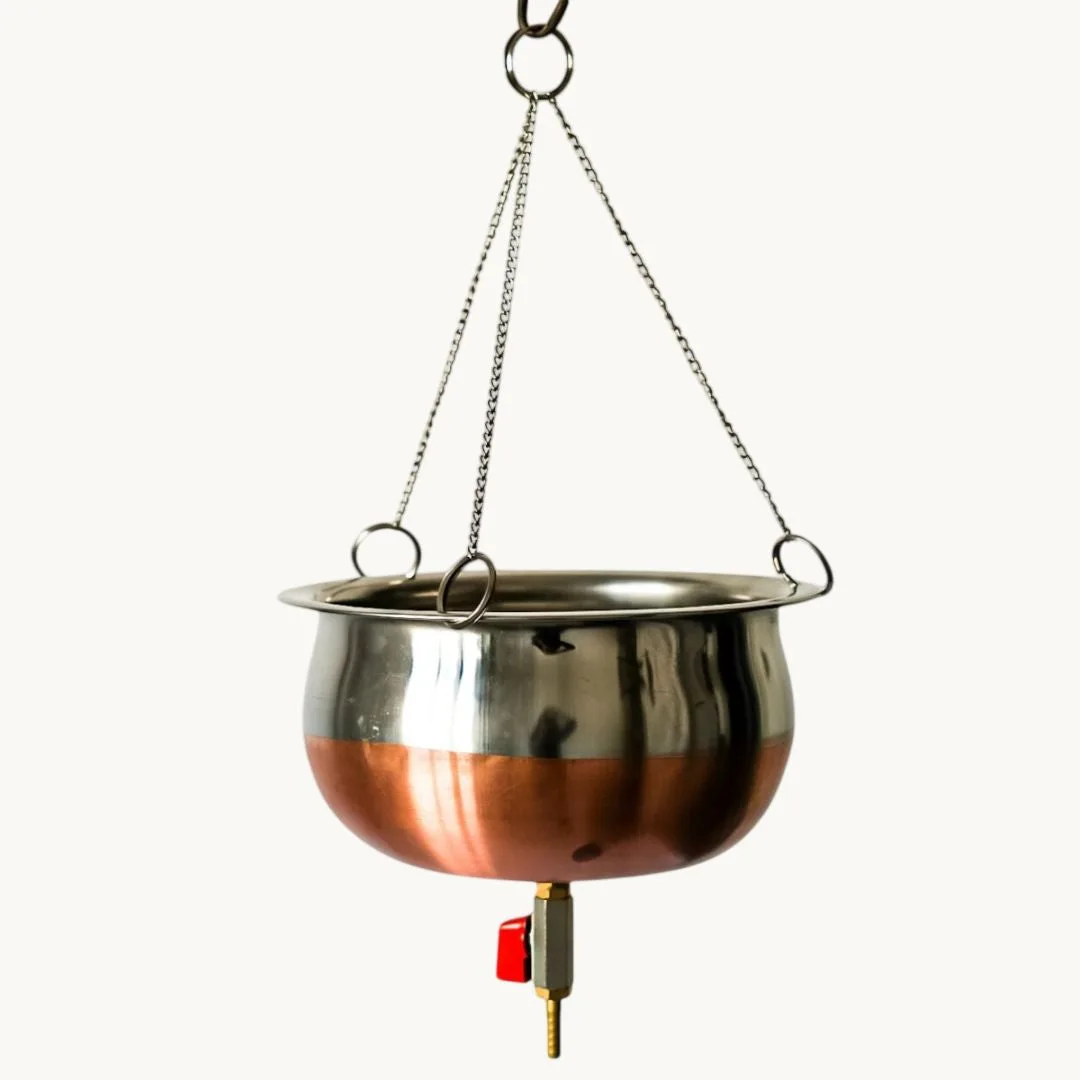
For practices beginning with standard Abhyanga and targeted treatments (Kati Basti, localised applications), a high-quality massage table with waterproof cover and absorbent linen layers can serve as a starting point. Add a Shirodhara stand and vessel as a modular upgrade when offering head treatments.
Oil Management Systems
Warming: A thermostatically controlled oil warmer (bain-marie style or dedicated Ayurvedic oil warmer) is essential. Target temperature: 38-42°C for standard Abhyanga, adjustable for patient sensitivity. Never microwave oil - uneven heating degrades herbal constituents. Pot warmers designed for fondue or candle-making can serve as budget alternatives for small practices.
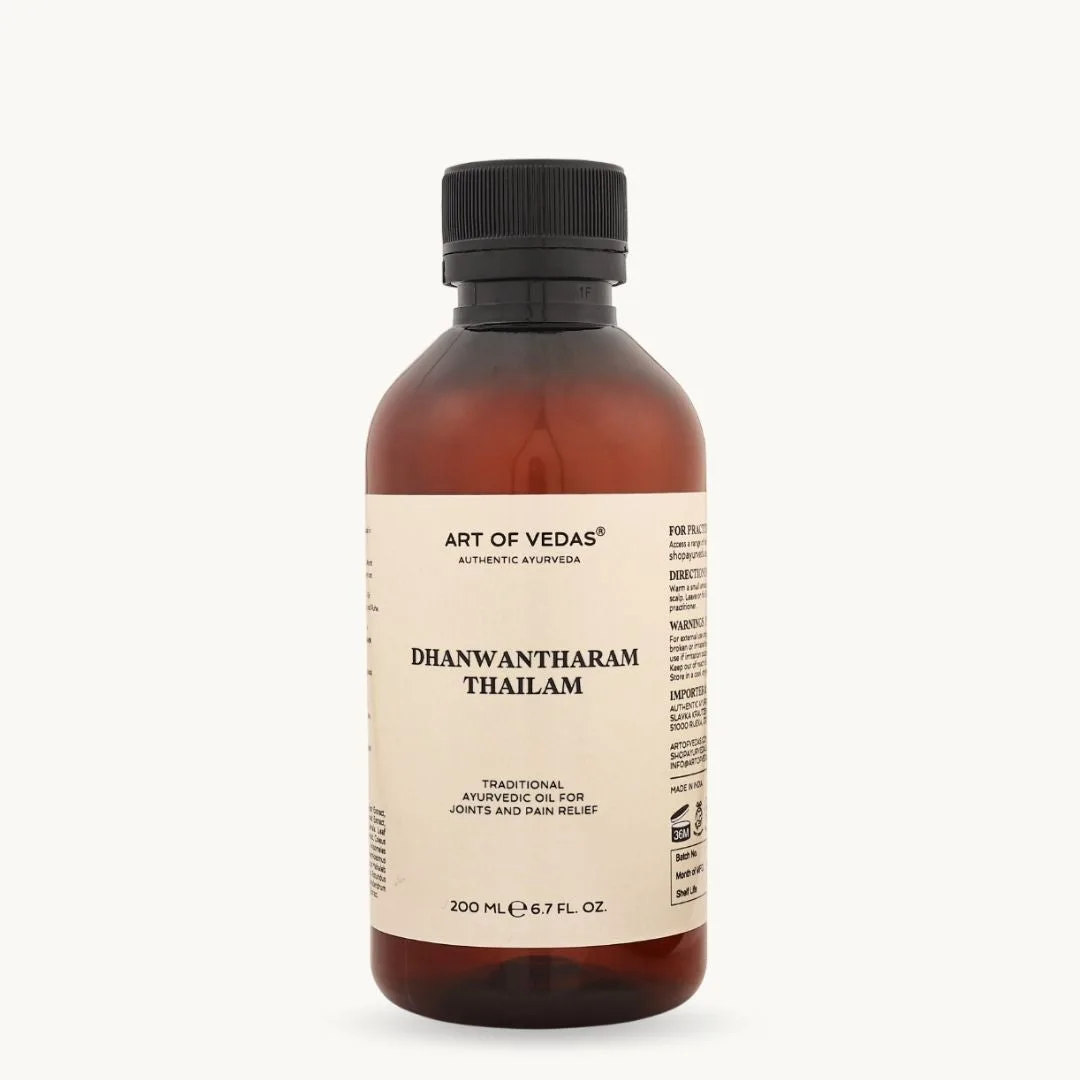
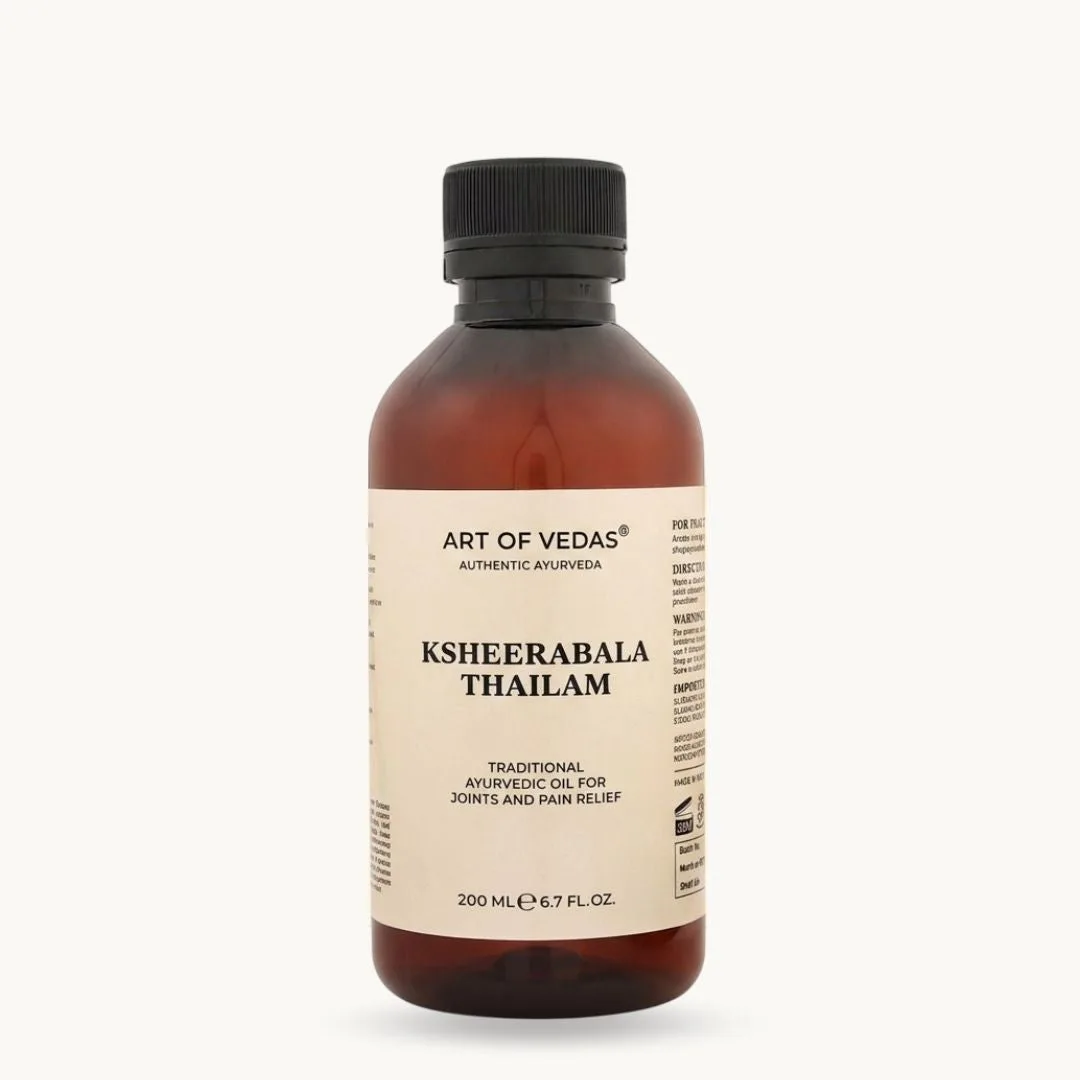
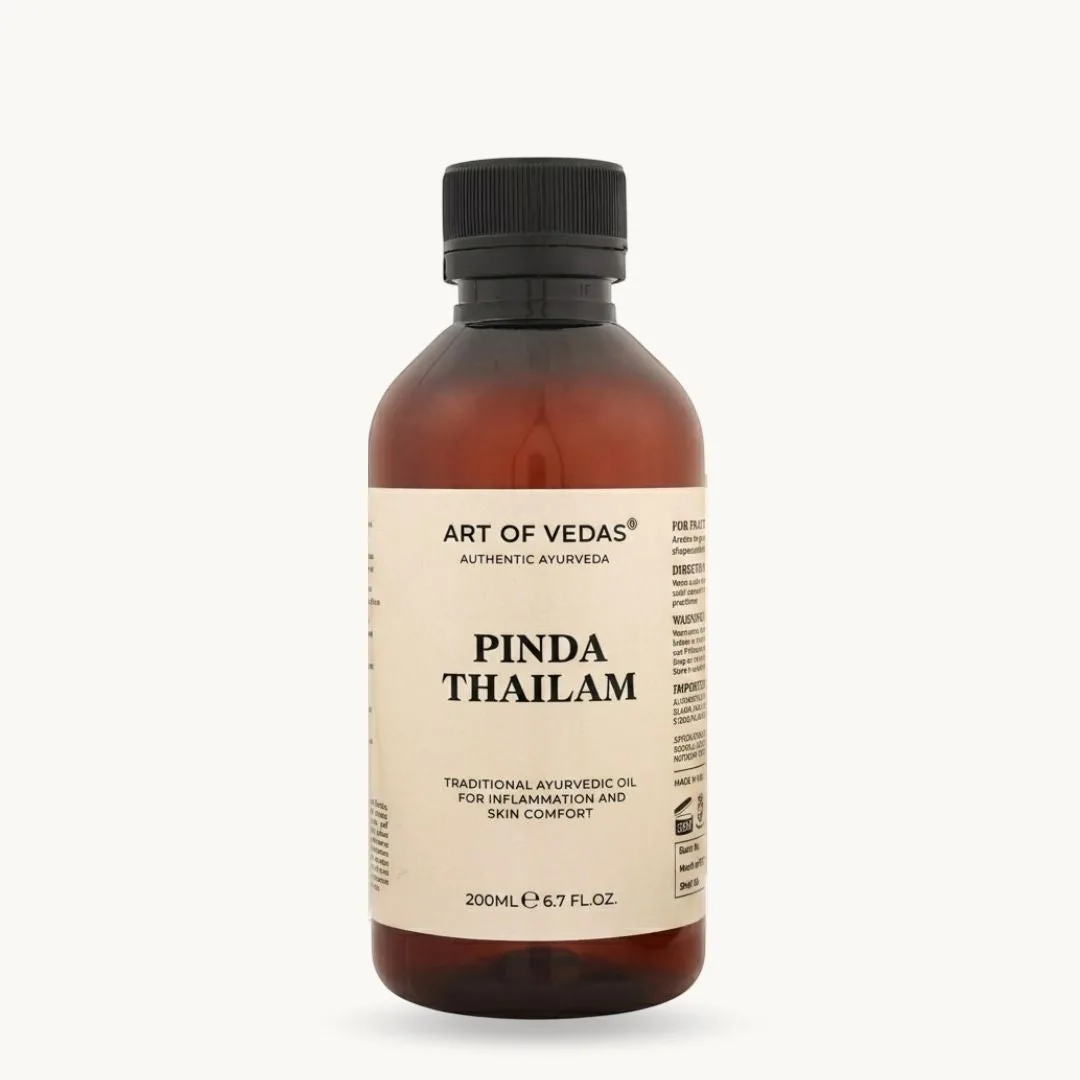
Quantity planning: A standard full-body Abhyanga uses 100-200ml of oil. Pizhichil can use 2-4 litres. Shirodhara uses 1-2 litres (recirculated). Stock levels should reflect your treatment schedule - the professional oils guide covers recommended pharmacy stock and the wholesale programme ensures supply continuity.
Drainage and collection: Used oil (which has absorbed herbal compounds and body waste products) is not typically reused in most modern practices. Drainage into collection containers, then responsible disposal. For Shirodhara, oil is recirculated during the treatment but typically not reused for subsequent patients.
Linen: Oil-saturated linen requires dedicated management. Pre-soak in hot water with washing soda, then machine wash at high temperature. Maintain separate oil-treatment linens from regular practice linens. Dark-coloured towels and sheets show oil stains less. Budget for higher linen replacement costs than non-oil practices.
Room Environment
Temperature: Warm - 24-26°C minimum. Patients lie undressed and covered in oil for 45-90 minutes. Cold rooms produce vasoconstriction that impairs oil absorption and makes the treatment experience unpleasant. Supplemental heating (infrared panels, heated floor) during winter months.
Ventilation: Adequate airflow to manage herbal oil vapours without creating drafts on the patient. The warm, herbaceous aroma of sesame-based Thailams is part of the therapeutic environment but needs management in shared premises.
Flooring: Non-slip, oil-resistant, easily cleaned. Tile or vinyl rather than carpet. Oil spills are inevitable - the floor must tolerate regular cleaning with degreasing agents.
Lighting: Warm, dimmable. Many treatments involve the patient lying still with eyes closed for extended periods - harsh overhead lighting is counterproductive. Consider natural light supplemented with warm-tone adjustable fixtures.
Regulatory Considerations
European regulatory requirements for treatment rooms vary by country and by the scope of practice. Generally, practices must comply with local business licensing for health and wellness services, health and safety standards for treatment rooms, insurance requirements for professional practice, hygiene standards for reusable equipment and linens, and product compliance for oils and preparations used on patients. The Ayurveda in Europe guide covers the broader regulatory landscape.
Building Over Time
Most successful European Ayurvedic practices build their treatment rooms incrementally - starting with a solid massage table, quality oil warming system, and core oil pharmacy, then adding specialised equipment (Dhroni, Shirodhara stand, Pinda Sweda preparation area) as the practice grows and treatment offerings expand.
The Ayurvedic massage types guide covers the treatments you will be offering, and the wholesale programme at Shop Ayurveda EU provides practitioner pricing for clinical supplies.
Practical guide for Ayurvedic practitioners. Verify all regulatory requirements with your local authorities.