In brief: This guide explains how to use a neti pot for Jala Neti, the classical rinse of the nasal passages with lukewarm salt water. You need water that has been boiled and cooled to body warmth (or sterile water), about 2.5 g of plain salt per 250 ml, and a basin. The water enters the upper nostril and leaves through the lower one, then the other side follows. Afterwards the nose is cleared gently and, in the classical sequence, Nasya oil follows. Please consult a qualified Ayurvedic practitioner or your doctor before you begin, especially in pregnancy and for children.
Learning how to use a neti pot takes a few mornings of practice. The movements are simple, but the details matter: suitable water, the right amount of salt, a comfortable temperature and a relaxed head position. Below you will find each step, the amounts, how to look after a copper neti pot and the questions we are asked most often.
What is Jala Neti?
Jala means water, and Neti is the name of a cleansing practice for the nasal passages. Jala Neti is one of the Shat Kriyas, the six cleansing practices of classical Hatha Yoga described in the Hatha Yoga Pradipika. In Ayurveda the practice belongs to Dinacharya, the daily routine, where it is traditionally followed by Nasya, the application of oil to the nasal passages.
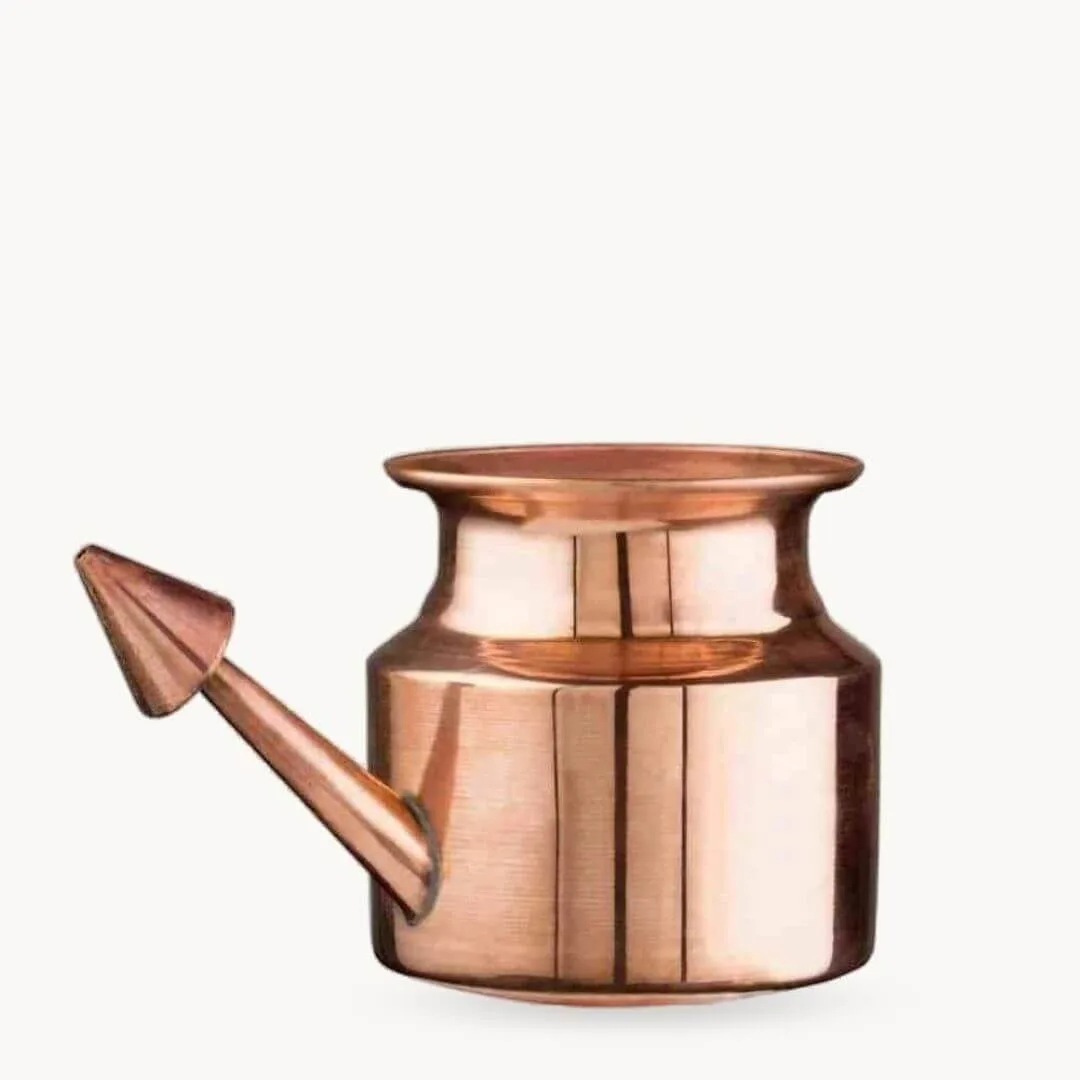
The neti pot is the small vessel made for this rinse. It has a spout shaped to sit against the nostril and a handle that lets you guide the angle and the flow. One fill is used for each side.
What you need for Jala Neti
- A neti pot. A pot with a spout that fits the nostril comfortably. Ours is the Copper Neti Pot, made of pure copper, with a spout shaped for the nostril and a handle for control.
- Prepared water. Water that has been boiled and cooled to body warmth, or sterile or distilled water. Never use untreated water straight from the tap.
- Plain salt. Non-iodised salt without additives such as anti-caking agents.
- A basin or sink and a clean towel.
The neti pot salt ratio
The traditional solution is isotonic, which means its salt content is close to that of the body's own fluids. As a guide:
- 250 ml of water: about 2.5 g of salt, roughly half a level teaspoon.
- 500 ml of water: about 5 g of salt, roughly one level teaspoon.
Dissolve the salt completely before you fill the pot. Water without salt and an over-salted solution both feel uncomfortable, so measure rather than guess during the first weeks.
How to use a neti pot, step by step
- Prepare the water. Boil water and let it cool until it feels lukewarm, about body temperature, on the inside of your wrist. Sterile water can be warmed to the same temperature.
- Dissolve the salt. Stir about 2.5 g of plain salt into 250 ml of water until no grains remain, then fill the neti pot.
- Take your position. Stand over a basin and lean forward so that your face points down towards it. Turn your head to one side, so that one nostril is higher than the other. Do not tip the head back.
- Place the spout. Set the spout gently into the upper nostril so that it closes the opening without pressing.
- Breathe through the mouth. Keep the mouth slightly open and breathe calmly through it for the whole rinse.
- Let the water flow. Raise the handle slowly. The water enters the upper nostril and, after a moment, runs out of the lower nostril into the basin. Let the pot empty at its own pace.
- Change sides. Refill the pot with fresh solution and repeat with the head turned the other way.
- Clear the nose. Stand upright and breathe out gently, then dry the nose as described below.
If the water does not come out of the other nostril, do not force it. Change the angle of the head a little, relax the shoulders and try again. If it still does not flow, stop for the day.
After Jala Neti: drying the nose and Nasya
Some water always remains in the nasal passages. Blow the nose gently, one side at a time, with the other nostril open. Never blow hard with both nostrils closed. Then bend forward from the hips, let the head hang for a few breaths and turn it slowly to the left and to the right, so that the remaining water can drain.
In the classical Ayurvedic sequence the cleared passages are then oiled with Nasya. Traditionally this is done with Anu Thailam, the classical Nasya oil, usually two drops per nostril. Wait until the nose is fully dry before you apply the oil. How Nasya is done is explained in Nasya: questions and answers.
When and how often: Jala Neti in the daily routine
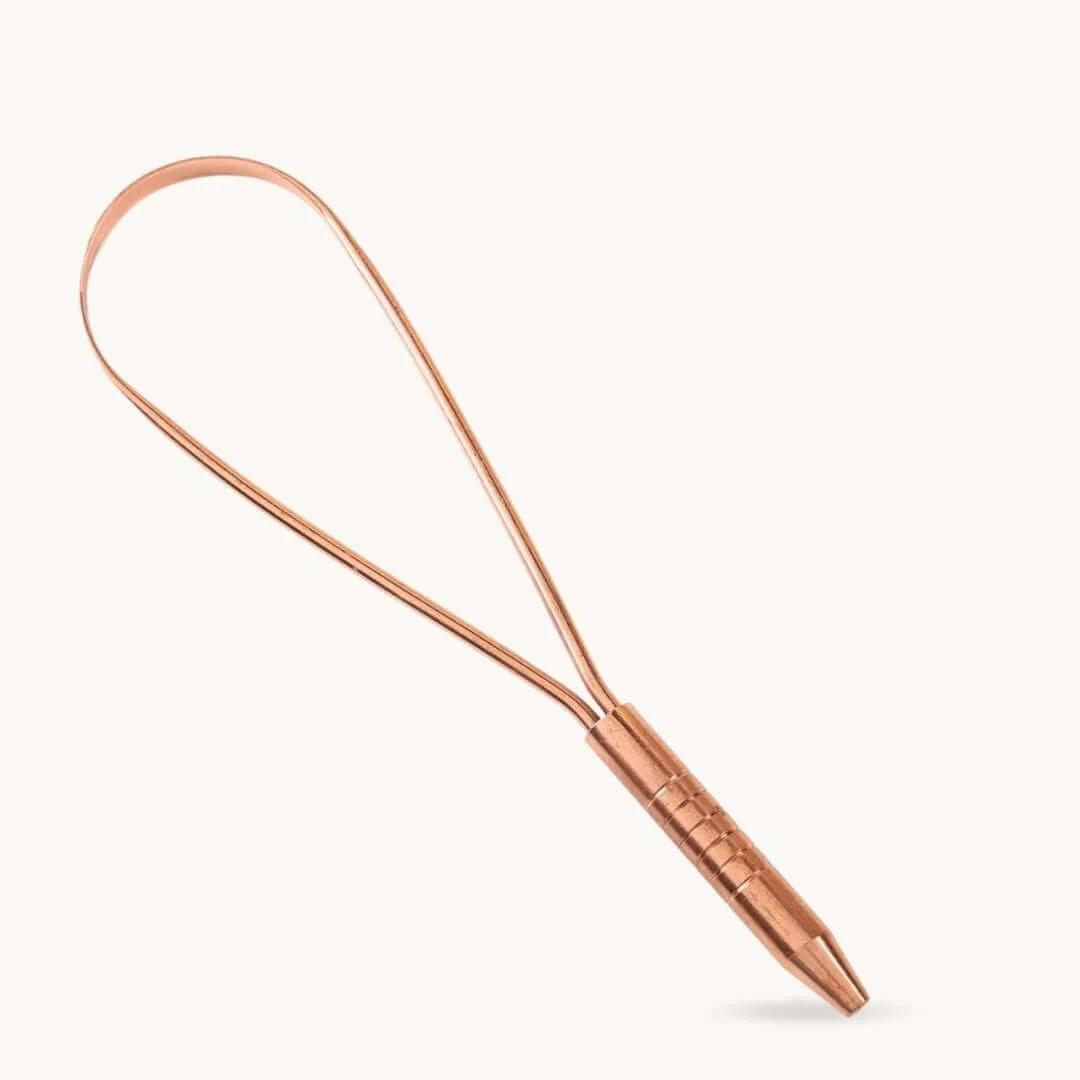
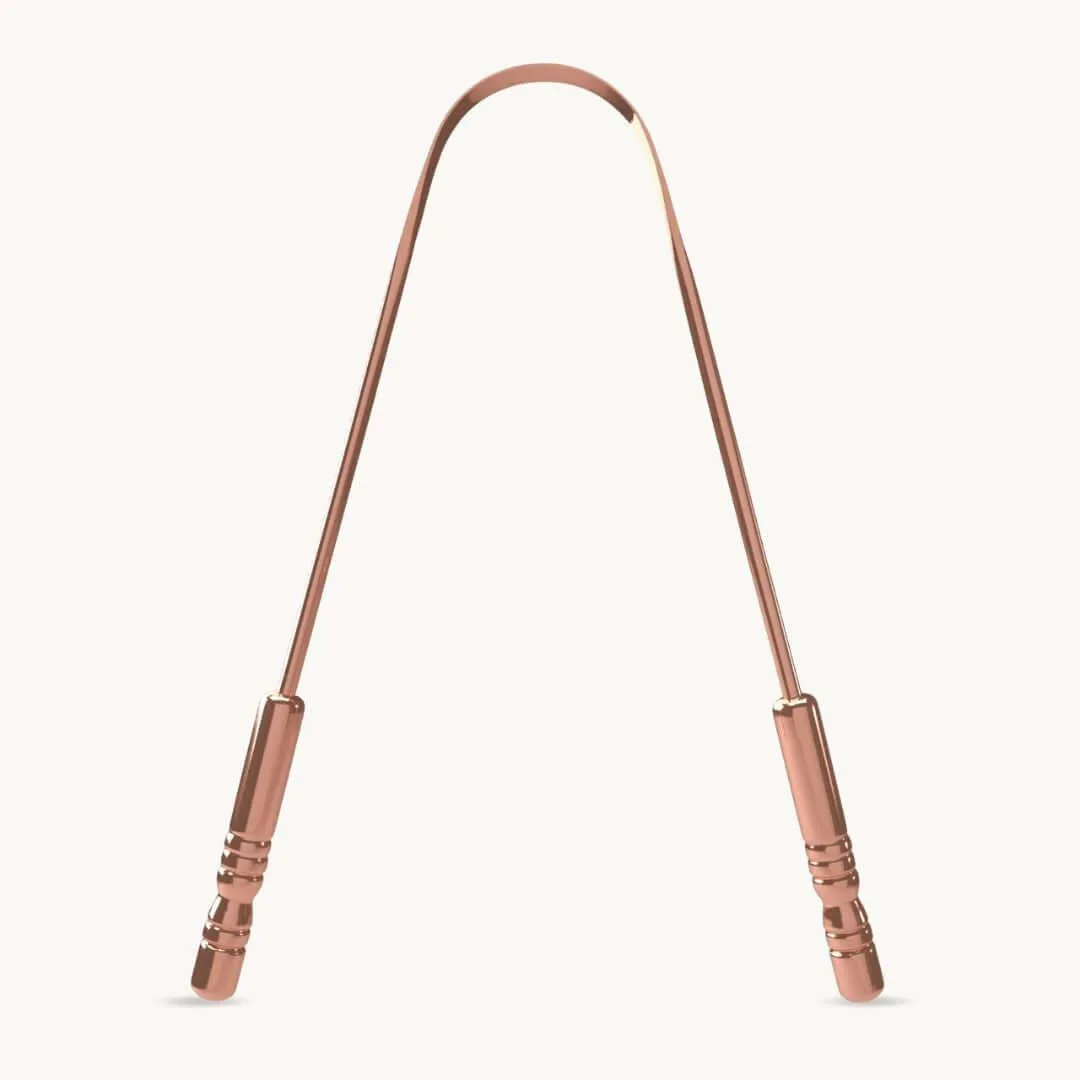
Jala Neti is traditionally practised in the morning as part of Dinacharya. A common order is tongue cleaning with a copper tongue scraper, then Jala Neti, then Nasya. The whole morning sequence is described in our guide to Dinacharya.
Many people use the neti pot a few times a week, and some practise daily. The rhythm that suits you depends on your Prakriti, the season and your circumstances, so a qualified Ayurvedic practitioner is the right person to advise on frequency.
Cleaning and caring for a copper neti pot
- Rinse the pot with hot water after every use, inside and outside.
- Dry it completely and let it air before you put it away.
- A neti pot is for one person only. Do not share it.
- Polish the copper from time to time with half a lemon dipped in salt, then rinse and dry.
- Do not put it in the dishwasher and avoid abrasive sponges.
Copper darkens with use and with contact with water and air. This dark patina is normal and does not affect use. You may polish it away or leave it. Other copper and Kansa pieces are cared for in the same way, see our guide to caring for Kansa and copper.
Common mistakes with the neti pot
- Water too hot or too cold. Both are unpleasant. Aim for body warmth and check on the wrist.
- Too much or too little salt. Measure about 2.5 g per 250 ml and dissolve it completely.
- Untreated tap water. Always boil and cool the water first, or use sterile or distilled water.
- Head tipped back. The water then runs towards the throat. Keep the face pointing down over the basin and turn the head to the side.
- Breathing through the nose. Breathe through the open mouth during the rinse.
- Blowing too hard afterwards. Blow gently, one nostril at a time.
- Rushing. Give the water time. A small change in the head angle usually does more than pressure.
Who should ask a practitioner first
Jala Neti is a personal practice and does not suit every situation. Please consult a qualified Ayurvedic practitioner or your doctor before you start if:
- you are pregnant or breastfeeding
- you have had surgery on the nose or the ears
- you have recurring ear problems or a tendency to nosebleeds
- your nose is fully blocked, so that water cannot pass
- you take medication, or
- the practice is meant for a child.
Jala Neti is a traditional practice of daily care. It does not replace medical advice.
Neti pot: frequently asked questions
How much salt goes into a neti pot? About 2.5 g of non-iodised salt without additives per 250 ml of water, roughly half a level teaspoon. This neti pot salt ratio gives a solution close to the salt content of the body's own fluids.
Which water should I use for Jala Neti? Water that has been boiled and cooled to body warmth, or sterile or distilled water. Never untreated tap water.
How often should I use a neti pot? Traditionally in the morning. Many people use it a few times a week. A qualified Ayurvedic practitioner can advise on the rhythm that suits you.
Can I use a neti pot every day? Some people include Jala Neti in their daily routine. Whether daily practice suits you is a question for your practitioner.
Copper, ceramic or plastic neti pot: which should I choose? All three are used for Jala Neti. Copper is the traditional material in Ayurveda and lasts for many years with simple care. Ceramic and plastic pots are also common. The choice is personal; what matters is a spout that fits well and a pot that is kept clean.
Do I practise Neti before or after Nasya? Before. The classical sequence is Jala Neti first and then, once the nose is dry, Nasya oil such as Anu Thailam.
How do I clean a copper neti pot? Rinse it with hot water after each use and dry it completely. Polish it from time to time with lemon and salt. The dark patina is normal.
What if the water does not come out of the other nostril? Breathe through the mouth, adjust the head angle slightly and let the water flow slowly. If it still does not pass, stop and ask a practitioner.
The Copper Neti Pot from Art of Vedas is made of pure copper, with a spout shaped to sit against the nostril and a handle for steady control. More copper pieces for the daily routine are in our copper tools collection.