What Is Kapha? The Classical Properties
The Ashtanga Hridayam defines Kapha as heavy, slow, cold, oily, smooth, dense, stable, soft, and sweet in its qualities. These are the qualities of water and earth combined. Physiologically, Kapha governs all mucous membranes, the synovial fluid of the joints, the plasma and lymph, the connective tissue, and the anabolic processes of building and maintaining tissue mass.
Kapha operates through five sub-doshas: Kledaka Kapha (in the stomach, moistening food), Avalambaka Kapha (in the chest and heart, supporting the lungs and heart), Bodhaka Kapha (in the mouth and throat, governing taste), Tarpaka Kapha (in the head, nourishing the sense organs), and Shleshaka Kapha (in the joints, providing lubrication). An imbalance in any of these produces specific, localised symptoms in its region.
Who Is Most Susceptible to Kapha Imbalance?
Individuals with a Kapha-dominant Prakriti (constitution) are most prone to Kapha excess, but Kapha accumulation can affect any constitution under the right conditions. Kapha types are typically heavier in build, with strong digestion when balanced, soft and oily skin, thick hair, and a calm, steady temperament. They tend to sleep deeply and enjoy food, comfort, and familiar routine.
The primary Kapha season is late winter through early spring in temperate climates. During this period, the heavy, wet, and cold qualities of the external environment directly increase internal Kapha. This is why spring is traditionally the Ayurvedic season for purification: the accumulated Kapha of winter needs to be cleared before it creates congestion, respiratory susceptibility, sluggish digestion, and weight accumulation.
If you are unsure of your constitution or current imbalance pattern, the Art of Vedas dosha assessment provides a useful starting point.
Causes of Kapha Imbalance
Charaka Samhita Sutrasthana Chapter 17 lists the causes that specifically aggravate Kapha. Understanding these causes is the first step in prevention as much as in treatment.
Dietary causes
Sweet, sour, and salty tastes taken in excess increase Kapha. Dairy products, heavy meats, wheat, fried foods, ice cream, cold beverages, excessive sugar, and large quantities of food eaten too frequently are the primary dietary Kapha aggravators. Eating before the previous meal has been digested is a particularly significant cause: the Ashtanga Hridayam describes this as one of the fastest ways to create Ama (undigested metabolic residue) and Kapha accumulation simultaneously.
Lifestyle causes
Daytime sleep is the most consistently cited Kapha-aggravating lifestyle factor in the classical texts. The Charaka Samhita lists it as a direct cause of Kapha excess, obesity, and heaviness of the body. This does not mean brief rest is harmful, but habitual daytime sleep, particularly after meals, significantly increases Kapha in most individuals. Sedentary work without regular movement, staying in warm and comfortable indoor environments, and avoiding cold and wind are Kapha-increasing patterns. Kapha paradoxically needs the qualities it finds uncomfortable: stimulation, movement, and mild discomfort.
Seasonal and environmental causes
Late winter and spring rains, cold and damp climates, and long periods of indoor living during winter all accumulate Kapha in the body. The classical Ritucharya (seasonal protocol) specifically addresses spring as the Kapha-clearing season, prescribing light foods, stimulating herbs, vigorous exercise, and, for those with significant Kapha accumulation, supervised Panchakarma treatments. For a deeper look at spring Kapha management, see the Spring Cleanse guide.
Signs and Symptoms of Kapha Imbalance
The Ashtanga Hridayam and Charaka Samhita enumerate Kapha imbalance symptoms systematically. The pattern is one of heaviness, stagnation, and excess moisture in tissues and channels.
Physical symptoms
- Weight gain or difficulty losing weight despite moderate eating
- Persistent fatigue and a sense of heaviness in the body, particularly in the morning
- Excessive mucus production, particularly in the upper respiratory tract
- Congestion in the sinuses, throat, or chest that tends to worsen in cold weather
- Sluggish digestion with a tendency toward slow metabolism and extended fullness after meals
- Oily skin, enlarged pores, and tendency toward cystic skin conditions
- Swelling and water retention, particularly in the lower limbs
- Excess sleep need without feeling refreshed
- Dull or blunted taste and smell
- Loose, pale stools or sluggish bowel function
Mental and emotional symptoms
- Lethargy, procrastination, and difficulty initiating tasks
- Mental dullness and a slowing of thought, memory, and response
- Attachment to comfort and routine, resistance to change
- Emotional heaviness, sadness, or a gentle, persistent melancholy
- Oversleeping and difficulty waking in the morning
- Greed or possessiveness in its emotional manifestation
The Classical Kapha-Pacifying Protocol
The classical treatment principle for Kapha follows the same logic as for the other doshas: counter the qualities of the excess dosha with their opposites. Kapha is heavy, slow, cold, oily, dense, and stable. The remedy is light, stimulating, warm, dry, and mobile.
Dietary adjustments
This is perhaps the most significant intervention. Pungent, bitter, and astringent tastes are specifically Kapha-reducing in classical Ayurveda. This means ginger, black pepper, chilli, turmeric, mustard seed, bitter greens, legumes, and light grains like barley and millet are the most helpful foods. Warm water with ginger, honey (the only sweet substance that reduces Kapha when taken in moderation), and lemon is a classical morning drink specifically indicated for Kapha management.
Reducing dairy, wheat, heavy meats, cold foods, fried foods, and sugar is more important for Kapha management than perhaps for any other dosha. The digestive system of a Kapha-excess individual processes these foods slowly and incompletely, leaving residue that feeds further accumulation. Eating only two meals a day with no snacking is a classical Kapha management strategy, allowing the digestive fire (Agni) to fully process each meal before the next.
Movement and exercise
Vigorous exercise is the most important lifestyle intervention for Kapha. Charaka Samhita Sutrasthana Chapter 7 describes exercise as specifically reducing Kapha, increasing warmth, improving digestion, and counteracting obesity and lethargy. The classical texts recommend exercise to the point of perspiration for Kapha types, which contrasts with the gentler approach recommended for Vata.
Daily morning exercise before breakfast, when Kapha time (6am to 10am) is naturally highest, is particularly effective. Cold water exposure in the morning, dry brushing (Garshana), and stimulating movement like brisk walking, cycling, or dance all specifically counter the heavy, stagnant qualities of Kapha excess. The Garshana guide provides the classical dry brushing technique in detail.
Sleep discipline
Reducing sleep to 7 hours and eliminating daytime sleep entirely are among the most impactful non-dietary interventions for Kapha. Rising before 6am specifically allows the individual to work with the Vata phase of the morning (2am to 6am), which provides the natural lightness and mobility that Kapha excess suppresses. Staying in bed past 6am moves into Kapha time and reinforces the dosha's heaviness.
Ayurvedic Oils for Kapha Imbalance
Unlike Vata, which benefits from heavy, nourishing oils applied abundantly, Kapha benefits from lighter, stimulating oil applications with warming herbs. The purpose of oil massage for Kapha is not primarily to nourish (Kapha has excess nourishment) but to stimulate circulation, open channels, and move stagnation.
Karpasasthyadi Thailam
This warming Thailam is specifically indicated in classical Sahasrayogam for conditions of heaviness, muscular stagnation, and impaired circulation. Its base is sesame oil combined with a decoction of pungent and stimulating herbs. It is appropriate for use in Abhyanga massage for Kapha types, particularly for the limbs and back. The Thailam collection from Art of Vedas includes warming oil preparations suited to Kapha management.
The Kapha Abhyanga technique
Unlike the Vata Abhyanga, which uses slow, long, soothing strokes with warm oil, the Kapha Abhyanga uses brisk, vigorous strokes. The purpose is stimulation rather than soothing. The oil can be slightly cooler than for Vata. Less oil is used overall. Dry brushing with a raw silk glove (Garshana) before the oil application further stimulates the lymphatic system and is specifically described in Ashtanga Hridayam as a Kapha-managing practice.
The Kapha dosha guide and complete Kapha guide provide further context on the Kapha constitution and its long-term management. The Kapha oil guide provides specific oil recommendations for different use cases.
Herbal Formulations for Kapha Support
Trikatu churna (powder of the three pungents) is a classical Kapha-stimulating formulation taken in small quantities before or after meals. It is specifically described in Ashtanga Hridayam as improving digestion, reducing mucus, and counteracting Kapha excess. As with all internal preparations, quality and sourcing matter. The Art of Vedas supplements collection includes classical powdered preparations prepared according to traditional methods.
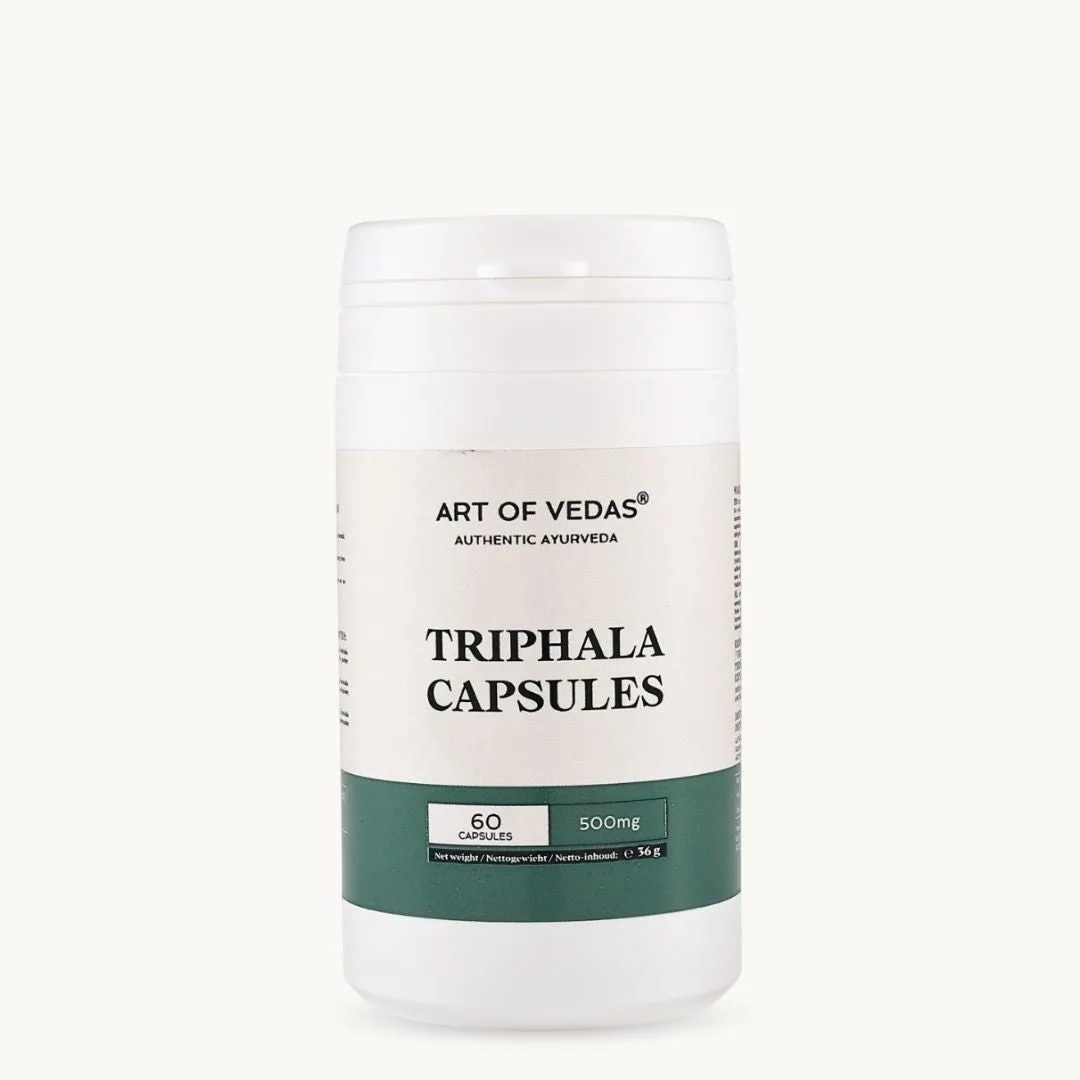
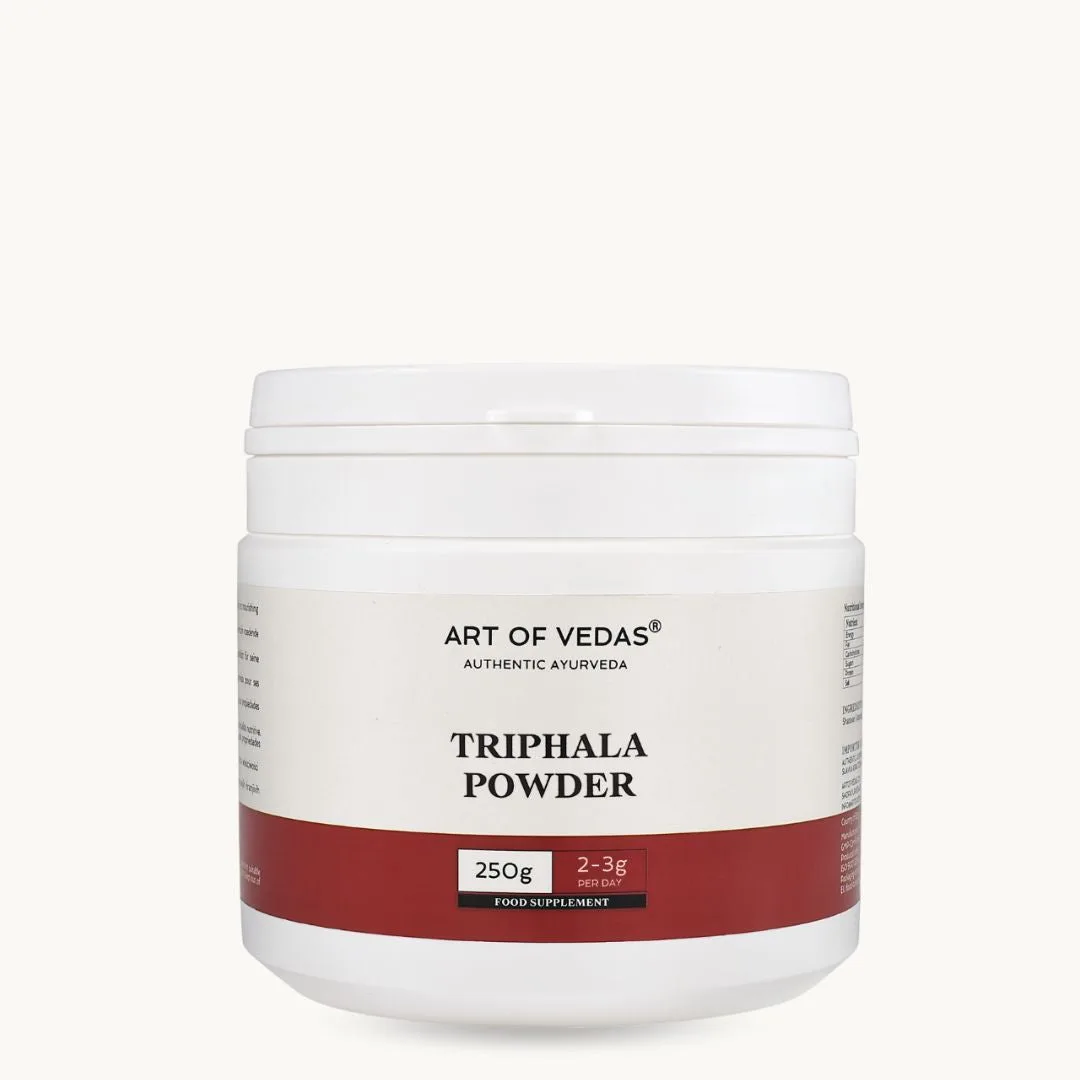
Triphala churna, while often described in the context of digestion and gentle cleansing, is also a mild Kapha-managing formulation due to the astringent properties of all three fruits and the specific Kapha-reducing action of Haritaki and Bibhitaki. The Triphala guide covers this important classical formula in depth.
Spring Kapha Cleanse
The Ayurvedic spring cleanse (Vasanta Ritucharya) is the traditional annual protocol for clearing the Kapha accumulated over winter. The Charaka Samhita prescribes Vamana (therapeutic emesis) as the primary Panchakarma treatment for Kapha, but this is a clinical intervention requiring professional supervision. At home, the spring cleanse involves three to seven days of eating primarily warm, light, easy-to-digest foods (kitchari, warm soups, steamed vegetables), increased ginger and peppercorn intake, vigorous morning exercise, dry brushing before bathing, and the use of warming herbal teas.
This seasonal purification, done consistently each spring, prevents the progressive accumulation that leads to more significant Kapha disorders over time. For professional guidance on a more structured seasonal cleanse, the Art of Vedas consultation service can provide a personalised protocol.
Frequently Asked Questions
Can Kapha imbalance cause depression?
The classical texts describe what they call Kapha-type Tamas (mental heaviness) - a presentation that includes emotional flatness, withdrawal, excessive sleep, and loss of motivation. This overlaps with what modern medicine describes as certain depressive presentations. Ayurveda addresses this through the stimulating, warming protocol described here: vigorous movement, lighter food, social engagement, stimulating herbs, and the reduction of sleep and daytime rest. For significant mental health concerns, professional guidance is essential alongside any Ayurvedic protocol.
Is it possible to have too little Kapha?
Yes, though it is far less common than Kapha excess. Insufficient Kapha (Kapha Kshaya) produces dryness of the joints, reduced body weight, thirst, palpitations, and a loss of the natural calm and stability that balanced Kapha provides. This presentation often accompanies severe Vata excess. In such cases, the warming Kapha-reducing protocol is contraindicated and would worsen the condition. This is why assessment by a qualified practitioner is important before beginning a protocol based on dosha imbalance.
How does Kapha relate to seasonal allergies and hay fever?
In classical Ayurveda, the spring presentation of nasal and respiratory reactivity is understood as Kapha that accumulated over winter being released and liquefied by the warmth of spring, flooding the respiratory channels. This is consistent with the observation that hay fever symptoms are often heaviest in the same people who have the most Kapha characteristics. The classical protocol involves clearing Kapha before spring through the winter season protocol, reducing dairy, and using Nasya oil to keep the nasal passages clear. The Nasya guide covers the classical nasal oil practice in detail.
How long does it take to reduce significant Kapha accumulation?
The classical texts describe the time required for dosha changes in terms of seasons rather than days. Significant Kapha accumulation over a winter of heavy eating and low movement will typically require the full spring season (March to May in the northern hemisphere) of consistent dietary and lifestyle change to substantially clear. Mild to moderate accumulation can shift noticeably within three to four weeks of consistent practice. The lifestyle changes, particularly exercise and meal timing, produce the most rapid results in most individuals.