The information in this article is provided for educational purposes and reflects traditional Ayurvedic knowledge. It is not intended as medical advice and should not replace consultation with a qualified healthcare professional.
In brief: Moringa (Shigru in Ayurveda) has been used in classical Indian medicine for over three thousand years. This guide covers what the Charaka Samhita and Ashtanga Hridayam say about it, how modern research relates to that traditional knowledge, and the most practical ways to use it as a supplement in daily life.
Moringa Benefits: What the Science and Ayurveda Both Agree On
Twelve thousand people search for moringa benefits every month in France alone. Most of what they find is marketing copy written by brands trying to sell a product. Very little of it traces back to the actual classical sources that have documented this plant for millennia, and even less of it explains why modern research is arriving at conclusions that Ayurvedic physicians reached long ago.
This article is different. It begins with the classical record, explains what moringa is in the Ayurvedic system, and then addresses what contemporary nutritional research confirms - and where the two traditions align, and where they diverge. The goal is not to promote moringa as a miracle, but to give you an accurate, grounded understanding of what it can and cannot offer.
Moringa in Classical Ayurveda: Shigru and Its Properties
In classical Ayurvedic texts, the plant known today as Moringa oleifera is called Shigru. The name appears in both the Charaka Samhita and the Ashtanga Hridayam, two of the foundational texts of the Ayurvedic tradition. In the Charaka Samhita's Sutrasthana, Shigru is listed among the herbs recognised for their deepaniya properties - those that support digestive fire (Agni) and assist the digestive process.
The Ashtanga Hridayam, written by Vagbhata in the seventh century CE, classifies Shigru more specifically within discussions of herbs that support the movement of Vata dosha. The plant is considered ushna (warming) in its virya, or potency, with a predominantly katu (pungent) and tikta (bitter) rasa, or taste. These properties place it within a category of herbs traditionally used to support circulation, warm the body's channels (Srotas), and address the kind of sluggishness associated with Kapha-dominant imbalances.
The Sahasrayogam, a classical text with a strong emphasis on practical formulations, references Shigru in preparations intended to support joint mobility and the movement of fluids through the body. This is relevant context when understanding why the plant has attracted attention from researchers studying inflammatory pathways.
What is notable about the classical record is its precision about dosage and preparation. Classical texts do not treat Shigru as a universal supplement to be taken daily by everyone. They describe specific contexts, specific dosages, and specific preparations - including the use of the leaves, pods, bark, and seeds in different ways for different purposes. This nuance is almost entirely absent from modern marketing around moringa.
What Modern Research Actually Shows
The nutritional profile of moringa leaves has attracted significant academic attention over the past two decades. The plant is genuinely unusual in terms of its nutrient density. Dried moringa leaf powder contains substantial quantities of iron, calcium, potassium, and several B vitamins, as well as vitamins C and E. It also contains a group of compounds called isothiocyanates, which have been the subject of considerable laboratory research.
A number of in vitro and animal studies have examined moringa's effects on oxidative stress markers and various inflammatory pathways. The results have been interesting, and they have been widely cited in supplement marketing - sometimes with a degree of extrapolation that goes well beyond what the research supports. Most of the compelling findings come from cell culture studies or animal models, not from large-scale human clinical trials. The human research that does exist tends to involve small sample sizes and short durations.
Where human evidence is more developed is in the area of blood glucose response. Several small clinical studies have looked at moringa leaf powder in the context of postprandial blood glucose, with some suggesting that consumption before meals may slow the rate of glucose absorption. This is consistent with the plant's traditional classification as having bitter and pungent properties that support digestive function - though it is important to note that this does not constitute evidence for moringa as a treatment for any condition.
The gap between what research has shown in controlled settings and what moringa marketing claims is substantial. Phrases like "the most nutritious plant on earth" and "cures everything" appear regularly in promotional content and have no meaningful scientific basis. The more accurate picture is that moringa is a nutrient-dense plant with an interesting range of bioactive compounds, some of which have demonstrated activity in laboratory settings, and which has a genuine and well-documented history of use in traditional medicine systems across South Asia and Africa.
How to Use Moringa as a Supplement: The Ayurvedic Approach
Classical Ayurveda would not recognise the concept of taking moringa powder in a smoothie every morning as a general wellness supplement. The classical approach is more precise. Shigru would be prescribed in a specific form, at a specific dose, for a specific period, to a person whose constitution and current imbalance made it appropriate. This does not mean the general supplement approach is without value - it means that understanding the classical framework helps you use the plant more intelligently.
From an Ayurvedic standpoint, moringa's warming and pungent qualities make it most suitable for those with a Kapha-dominant constitution or a Vata-Kapha imbalance, particularly when the goal is to support digestive function, circulation, or the clearance of sluggishness in the system. For those with a strong Pitta constitution or with signs of excess heat in the body, moringa's ushna (warming) virya may be less appropriate, and should be used with more attention to timing and dose.
In practical terms, moringa powder is most commonly taken in small quantities - typically between one and three grams per day - mixed with warm water, or incorporated into food. The classical texts that reference Shigru preparations often combine it with other herbs, reflecting the Ayurvedic principle that most herbs work better in combination than in isolation. Standalone moringa supplementation is a modern simplification of a more nuanced classical practice.
The quality of moringa powder matters considerably. The plant is fast-growing and easy to cultivate, which means the supplement market contains significant variation in quality. Leaf powder harvested at the right stage of growth, dried at low temperatures, and stored away from light and moisture retains far more of its nutritional value than powder produced under less careful conditions. At Art of Vedas, quality sourcing is a central consideration in any herb we offer. See our guide to choosing authentic Ayurvedic products in Europe for a broader overview of what to look for.
Moringa and the Ayurvedic Concept of Rasayana
One area where moringa is sometimes discussed in relation to classical Ayurveda is the category of Rasayana - the classical term for preparations and practices that support the renewal and quality of the body's tissues over time. Rasayana is a sophisticated concept in Ayurveda, described at length in the Charaka Samhita's Rasayana chapter, and it does not simply mean "antioxidant" or "anti-aging supplement" as these terms are used in marketing.
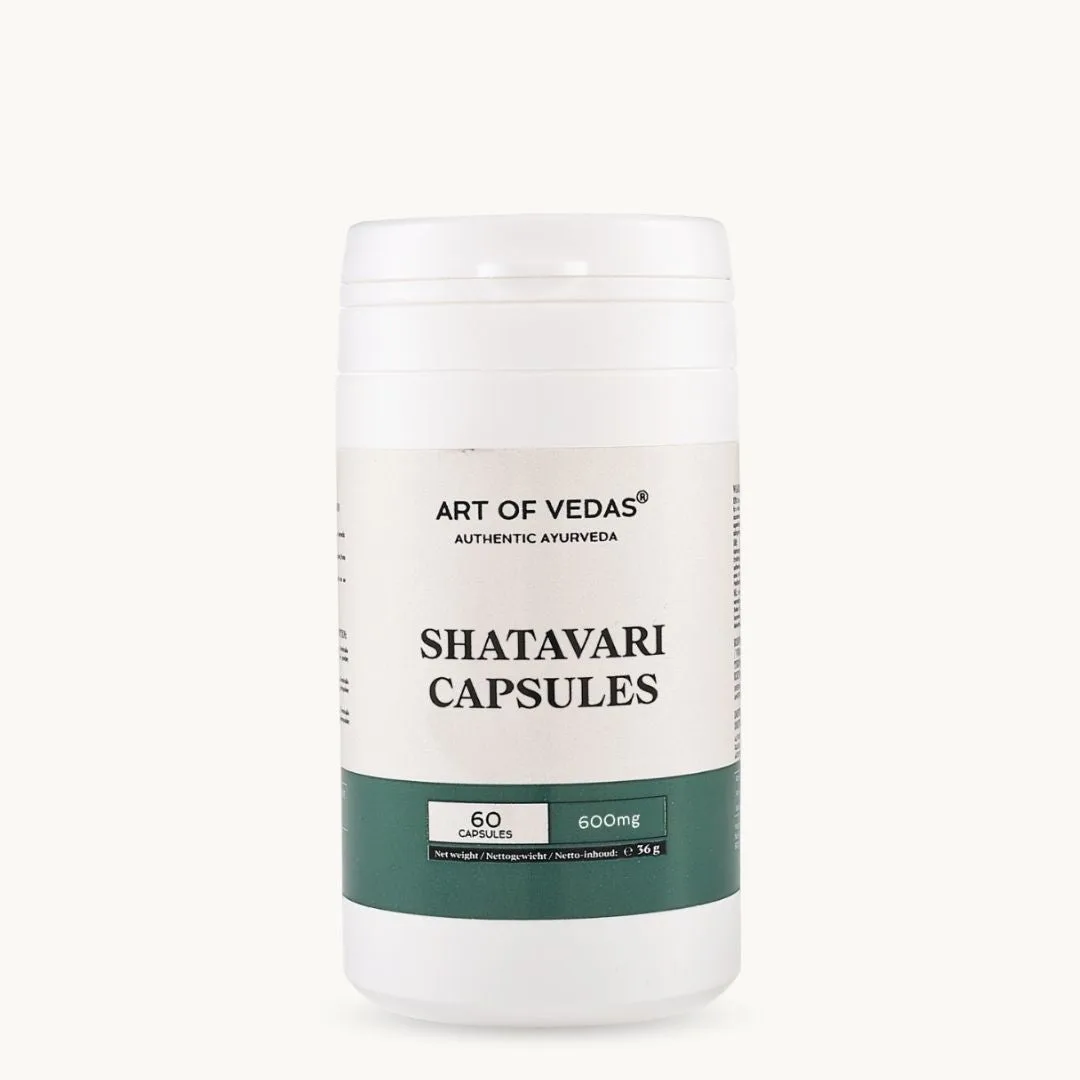
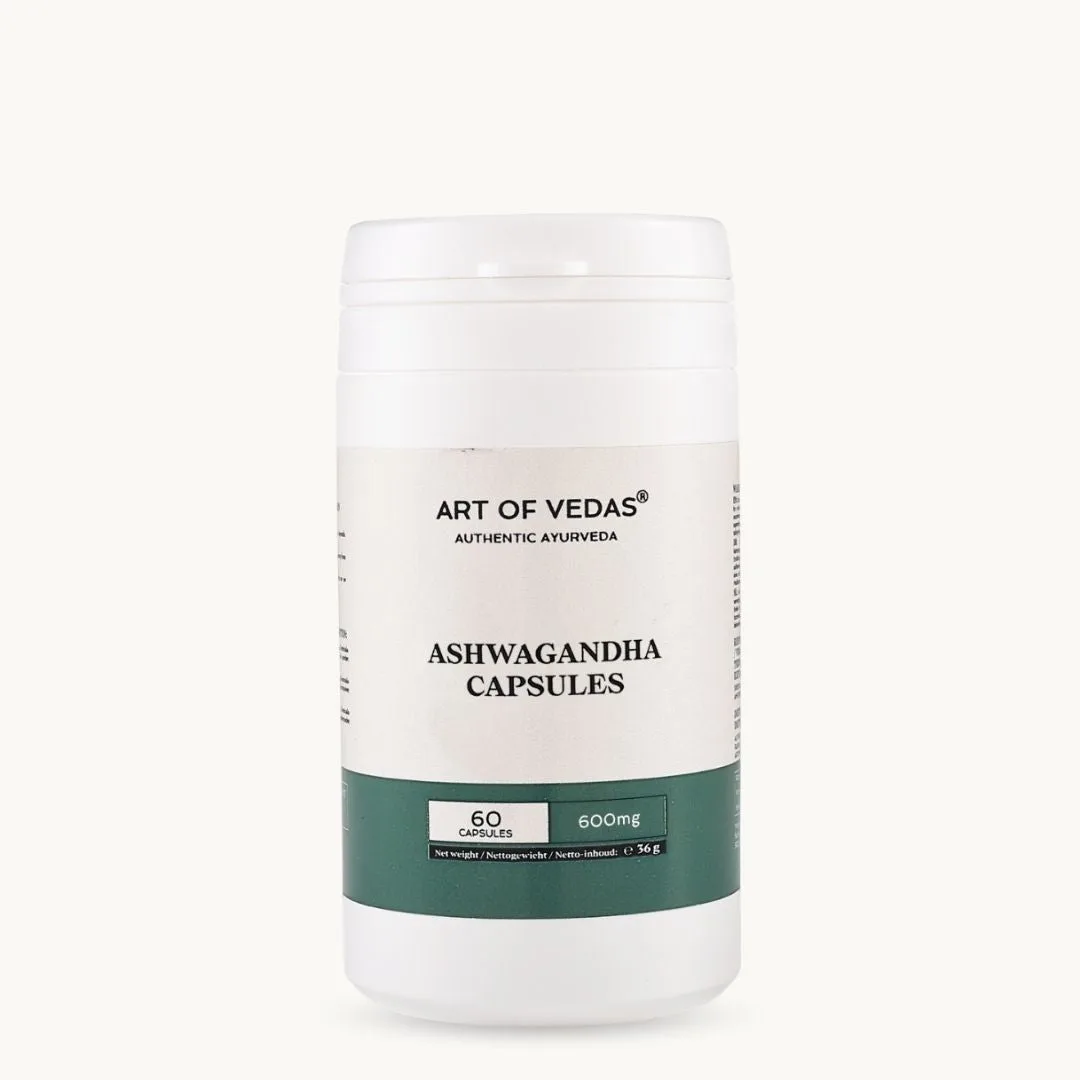
Shigru is not listed as a primary Rasayana in the classical texts in the way that Ashwagandha, Amalaki, or Shatavari are. However, some classical references do acknowledge its role in supporting tissue quality and the clearance of accumulated waste (Ama) from the body's channels. This makes it a supporting herb in certain Rasayana-oriented protocols, rather than a Rasayana in its own right.
Understanding this distinction matters because it affects how you use moringa and what results you should realistically expect. As a nutritive and digestive-supportive herb, moringa can be a valuable part of a broader approach to nourishment and daily ritual. As a standalone anti-aging solution, the claims exceed the evidence.
For a deeper understanding of the Rasayana category and which herbs the classical texts place at its centre, see our guide to classical Rasayana in Ayurveda.
Choosing a Moringa Supplement: What Matters
The supplement market for moringa is large and inconsistent. A few practical considerations from both a classical Ayurvedic and a modern quality standpoint:
The part of the plant matters. Moringa leaf powder is the most widely researched and the form most consistent with classical references to Shigru. Seed extracts and bark preparations exist but have different properties and fewer data points.
Processing temperature affects nutritional value significantly. Moringa's vitamin C content in particular degrades with heat. Powder produced through low-temperature drying retains more of the nutritional profile that has been studied in research settings.
Organic certification and country of origin provide some quality signals, though they are not the only factors. Moringa grows widely across India, East Africa, and Southeast Asia. Indian-origin moringa has the longest documented history of use in the Ayurvedic tradition and the most established cultivation practices.
Packaging and storage matter. Moringa powder oxidises with light and air exposure. Products in opaque, airtight packaging with reasonable shelf dates are more likely to retain potency through to consumption.
Browse the Art of Vedas supplements collection for moringa and other classical herb supplements sourced with attention to origin and quality.
Frequently Asked Questions
What does Ayurveda say about moringa?
In classical Ayurveda, moringa is known as Shigru and appears in both the Charaka Samhita and the Ashtanga Hridayam. It is classified as having pungent and bitter taste (rasa) with a warming potency (ushna virya). Classical texts reference it in the context of supporting digestive fire (Agni), the movement of Vata dosha, and the clearance of sluggishness associated with Kapha. It is most appropriately used for those whose constitution and current imbalance align with these properties, and is traditionally taken in small, precise doses rather than as a general daily supplement.
What are the main benefits of moringa powder?
Moringa leaf powder is notable for its nutritional density, containing significant quantities of iron, calcium, potassium, B vitamins, and vitamins C and E. Research has examined its effects on oxidative stress markers and digestive function, with some human studies suggesting it may support blood glucose response when taken before meals. From an Ayurvedic standpoint, it is traditionally valued for supporting digestive fire, circulation, and the body's general vitality when used in appropriate doses and for appropriate constitutions. It is not a treatment for any disease or medical condition.
How much moringa powder should I take per day?
Classical Ayurvedic texts do not specify a single universal dose, as dosage would be determined by a practitioner based on individual constitution and purpose. In general supplement use, doses in the range of one to three grams of dried leaf powder per day are most commonly referenced in research and traditional practice. Higher doses are not necessarily more beneficial and may cause digestive discomfort in some individuals, particularly those with a sensitive Pitta constitution. It is advisable to begin with a smaller amount and observe how your body responds before increasing.
Is moringa suitable for everyone?
Moringa's warming and pungent qualities make it most suitable in Ayurvedic terms for those with Kapha-dominant constitutions or Vata-Kapha imbalances. Those with strong Pitta constitutions or signs of excess heat in the body should use it with more caution, paying attention to dose and timing. Moringa is generally considered safe for most adults when taken in reasonable quantities as a food supplement, but if you are pregnant, breastfeeding, taking prescribed medication, or managing a health condition, it is advisable to consult a qualified healthcare professional before beginning supplementation.
Explore Moringa and Related Supplements at Art of Vedas
Browse our Ayurvedic supplements collection for moringa, Ashwagandha, Triphala, and other classical herb supplements carefully selected. You may also find our guides to classical Rasayana, Ayurvedic food supplements, and Ashwagandha benefits useful alongside this article.
This product is a food supplement and not intended to diagnose, treat, cure or prevent any disease.