This article is part of our Panchakarma Complete Guide series.
What Is Panchakarma?
Panchakarma literally means "five actions." It is the classical Ayurvedic system of deep cleansing and rejuvenation, described in detail in the foundational texts of Ayurveda, including the Charaka Samhita, Sushruta Samhita, and Ashtanga Hridayam. These five therapeutic procedures are designed to remove accumulated waste materials (Ama) from the body's tissues and restore balance to the three Doshas: Vata, Pitta, and Kapha.
Panchakarma is not a quick detox or a weekend retreat. In its classical form, it is a structured therapeutic programme lasting 7 to 21 days or longer, supervised by a qualified Ayurvedic physician who tailors each step to the individual patient's constitution and condition.
The Five Classical Procedures
Each of the five actions targets a different pathway of elimination. Not every patient undergoes all five; the physician selects the procedures most appropriate for the individual.
1. Vamana (Therapeutic Emesis)
Vamana is a controlled, medically supervised process of therapeutic vomiting. It is primarily indicated for Kapha-dominant conditions. The patient is prepared over several days with internal oleation (drinking ghee or medicated oils in increasing doses) and external oleation (oil massage). On the day of Vamana, specific herbal preparations are administered to induce the process.
Vamana is considered the most effective procedure for clearing excess Kapha from the stomach and respiratory tract. It is traditionally used in Ayurveda during the spring season, when Kapha naturally accumulates.
2. Virechana (Therapeutic Purgation)
Virechana is a controlled purgation using specific herbal formulations. It targets Pitta Dosha and is considered the primary treatment for Pitta-related imbalances. After preparatory oleation and fomentation (sweating therapies), a purgative herb is administered, and the body eliminates through the bowel.
The procedure is supervised throughout and followed by a structured diet to rebuild digestive strength.
3. Basti (Medicated Enema)
Basti is given the highest importance among the five procedures. The Charaka Samhita calls it "Ardha Chikitsa," meaning half of all treatment. There are two main types:
-
Niruha Basti (decoction enema): uses herbal decoctions, honey, salt, and oil in a specific formula administered rectally
-
Anuvasana Basti (oil enema): uses medicated oils, primarily to nourish and lubricate the tissues
Basti is the primary treatment for Vata Dosha and is traditionally used in Ayurveda to support the colon, nervous system, and musculoskeletal system. A typical Basti programme runs for 8, 15, or 30 days, alternating between the two types.
4. Nasya (Nasal Administration)
Nasya involves the administration of medicated oils, powders, or herbal juices through the nostrils. The nose is considered the gateway to the head in Ayurveda. Nasya is traditionally used to support clarity in the head, sinuses, and upper respiratory tract.
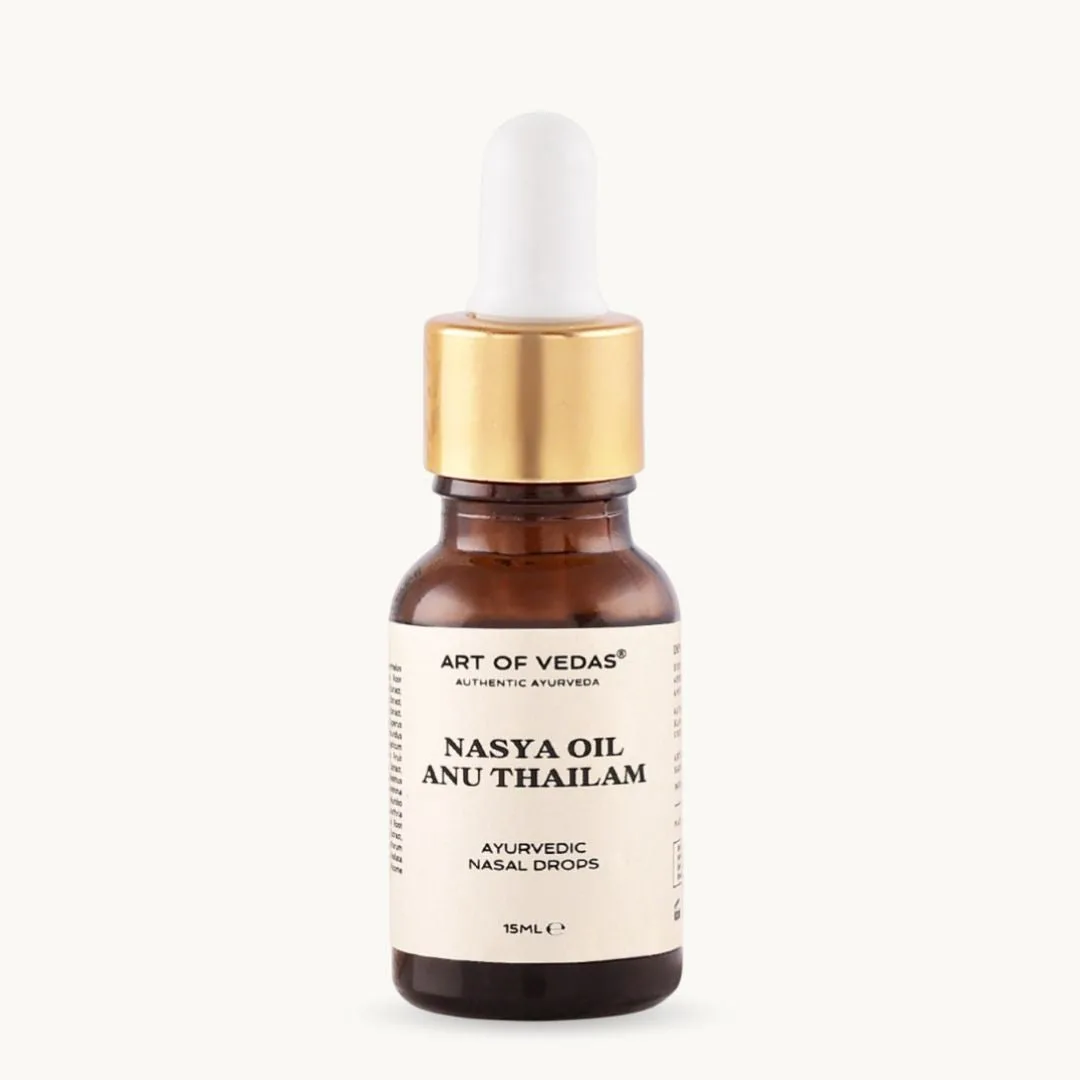
The most common form uses Anu Thailam, a classical medicated oil instilled into each nostril while the patient lies with the head tilted back.
5. Raktamokshana (Bloodletting)
The fifth procedure is the least commonly practised today, particularly in Europe. Classical Raktamokshana uses leeches or venepuncture to remove small quantities of blood. It is indicated for specific Pitta and blood-related conditions. In modern European Ayurvedic practice, this procedure is rarely offered due to regulatory restrictions.
The Three Phases of Panchakarma
Purva Karma (Preparation)
The body must be prepared before the main procedures. This phase typically lasts 3 to 7 days and includes:
-
Snehana (oleation): internal oleation involves drinking increasing amounts of ghee or medicated oil on an empty stomach each morning. External oleation means daily Abhyanga (oil massage) using warm medicated oils
-
Swedana (fomentation/sweating): steam therapy or other heating methods applied after oil massage. This opens the channels and loosens accumulated waste, moving it toward the digestive tract for elimination
The preparation phase is not optional. Attempting the main procedures without adequate oleation and fomentation is considered ineffective and potentially harmful in classical texts.
Pradhana Karma (Main Procedures)
The selected procedures from the five Karmas are performed during this phase. A typical European Panchakarma programme might include Virechana, a course of Basti, and Nasya, along with daily oil massage and steam treatments. The specific combination depends entirely on the individual's assessment.
Paschat Karma (Post-Treatment)
After the main procedures, the digestive system is delicate. The post-treatment phase involves a graduated diet called Samsarjana Krama:
-
Day 1-2: thin rice water (Peya)
-
Day 3-4: thicker rice soup (Vilepi)
-
Day 5-6: rice with light lentil broth (Akrita Yusha)
-
Day 7+: gradually reintroduce normal foods
This graduated return to normal eating is essential. It allows the digestive fire (Agni) to rebuild gradually. Eating heavy food too soon after Panchakarma negates much of the benefit.
Duration: How Long Does Panchakarma Take?
A complete classical Panchakarma programme includes preparation, treatment, and recovery:
-
Minimum meaningful programme: 7 days (3 preparation, 2-3 treatment, 1-2 recovery)
-
Standard programme: 14 days (5-7 preparation, 5-7 treatment, 2-3 recovery)
-
Full classical programme: 21 to 28 days
Weekend "Panchakarma experiences" offered at some spas may include elements like oil massage and steam, but they cannot deliver the depth of a genuine Panchakarma programme. The preparation phase alone requires multiple days.
What to Expect During a Panchakarma Cure
The Initial Consultation
Every Panchakarma programme begins with a thorough consultation. The physician assesses your Prakriti (constitutional type), Vikriti (current state of balance), Agni (digestive capacity), and Ojas (vitality). This assessment determines which procedures you will undergo, which oils will be used, and how long each phase will last.
Daily Routine During Treatment
A typical day during Panchakarma follows a structured rhythm:
- Early morning: warm water or herbal tea
- Morning: internal oleation (if still in preparation phase) or treatment procedures
- Mid-morning: Abhyanga (oil massage) followed by Swedana (steam therapy)
- Midday: light, warm meal following the prescribed diet
- Afternoon: rest, gentle walking, or meditation
- Evening: light meal or soup
- Night: early sleep (by 9 or 10 PM)
Physical and Emotional Responses
It is normal to experience a range of responses during Panchakarma. Physical responses may include fatigue, headaches, changes in digestion, or skin changes. Emotional responses such as mood shifts, vivid dreams, or periods of heightened sensitivity are also common. These are generally considered signs that the cleansing process is working.
Your supervising physician should be informed of all symptoms so they can adjust the treatment as needed.
Panchakarma in Europe
A growing number of centres across Europe offer Panchakarma programmes. When choosing a centre, consider the following:
-
Physician qualification: the programme should be supervised by a physician with a BAMS (Bachelor of Ayurvedic Medicine and Surgery) degree or equivalent. Ayurvedic therapists can perform treatments, but the programme design and supervision require medical training
-
Residential setting: Panchakarma is most effective in a residential setting where you can rest fully between treatments. Outpatient programmes exist but are less ideal
-
Authentic oils and preparations: the centre should use classically prepared herbal oils and decoctions, not commercial massage oils. Ask about their sourcing
-
Diet: the centre should provide freshly prepared Ayurvedic meals tailored to your programme phase
-
Duration: be wary of programmes shorter than 7 days that claim to offer "full Panchakarma"
For guidance on choosing a centre, read our guide to Panchakarma centers in Europe.
Who Should Consider Panchakarma?
Panchakarma is traditionally recommended:
- As a seasonal cleanse, ideally at the junction between seasons
- When signs of accumulated Ama are present: coated tongue, sluggish digestion, heaviness, lack of clarity
- As preparation for Rasayana therapy; classical texts state that Rasayana is most effective after Panchakarma
- For ongoing support of chronic conditions, under physician guidance
Who Should Not Undergo Panchakarma
Classical contraindications include pregnancy, extreme weakness, very young children, and the very elderly. Specific procedures have additional contraindications. A qualified physician will assess suitability during the initial consultation.
After Panchakarma: Making It Last
The benefits of Panchakarma are sustained through lifestyle practices. The classical texts recommend:
- Following a Dosha-appropriate diet
- Maintaining regular Dinacharya (daily routine), including self-massage with warm oil
- Practising meditation or pranayama daily
- Sleeping and waking at consistent times
- Taking Rasayana herbs as recommended by your physician
Panchakarma is not a one-time event. Classical Ayurveda recommends undergoing it seasonally, or at minimum once or twice per year, to maintain deep tissue balance over time.
Related Resources
Explore our complete Panchakarma guide for an in-depth overview of the therapy. For information on Basti, one of the core Panchakarma procedures, read our guide to Basti treatment. Practitioners looking to equip their treatment rooms can visit our practitioner supplies page.