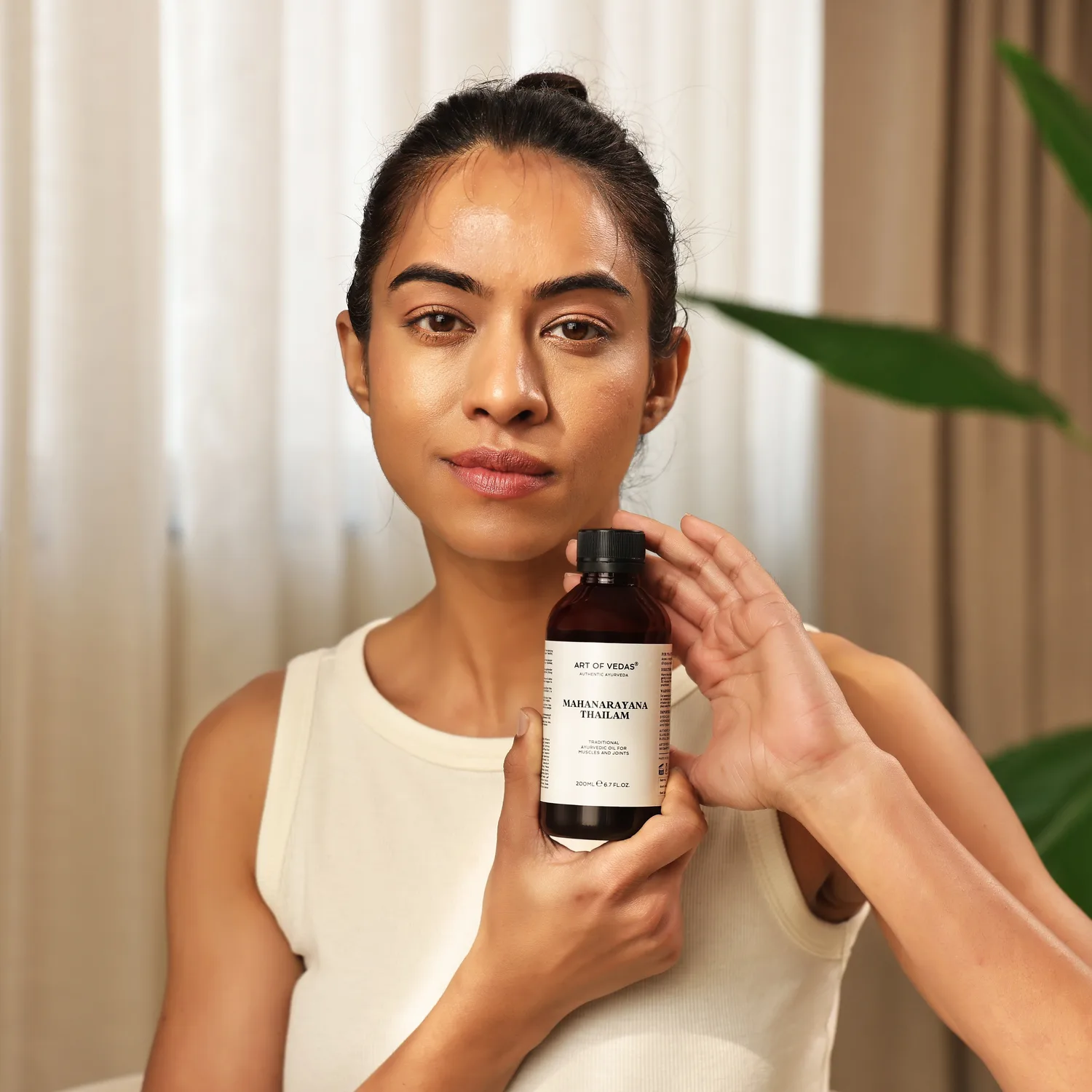
The Complete Quality & Authenticity Guide to Mahanarayana Thailam: How to Identify Genuine Products and Avoid Counterfeits
Last Updated: February 9, 2026 | Reading Time: 35 minutes
The growing popularity of Ayurvedic wellness in Europe has created both wonderful opportunities and concerning challenges. On the positive side, more people than ever can access traditional formulations like Mahanarayana Thailam. On the negative side, market demand has attracted manufacturers who cut corners, simplify formulations, or outright misrepresent products as "authentic Mahanarayana Thailam" when they're actually inferior alternatives.
The stakes are higher than you might think. Using a simplified or fake version means you're not experiencing the genuine benefits of this classical formulation. You're investing time and money in daily Abhyanga practice but potentially receiving minimal therapeutic value. Worse, poorly manufactured products might contain contaminants, allergens, or unstable compounds that could cause adverse reactions.
How do you navigate this landscape? How can you confidently identify authentic, high-quality Mahanarayana Thailam versus simplified, commercial, or counterfeit versions? What specific markers indicate traditional preparation versus cold-infusion shortcuts? Which certifications matter and which are meaningless? What price ranges are reasonable versus suspiciously cheap or overpriced?
This comprehensive quality and authenticity guide provides the knowledge you need to make informed purchasing decisions. We'll explore the specific characteristics of genuine Mahanarayana Thailam, examine quality markers and certifications that matter, identify red flags signaling inferior products, provide practical evaluation checklists for label analysis, discuss pricing expectations and value assessment, guide you through manufacturer evaluation, and explain how to test product quality after purchase.
Whether you're purchasing Mahanarayana Thailam for the first time or evaluating your current product, this guide empowers you to choose authentic, effective formulations that honor the classical tradition and deliver genuine therapeutic benefits.
Understanding the Authenticity Spectrum
Not all products labeled "Mahanarayana Thailam" are created equal. They exist on a spectrum from fully authentic classical preparation to complete counterfeits.
The Five Quality Tiers
Tier 1: Classical Authentic Preparation - Complete 57-herb formulation from Bhaishajya Ratnavali, traditional Taila Paka Vidhi (multi-day oil cooking method), quality-sourced herbs from traditional regions, GMP-certified manufacturing, full ingredient disclosure, appropriate testing and quality control, and honest educational marketing. Price range: €35-55 for 200ml. Characteristics: deep golden color, complex herbal aroma, medium-thick consistency.
Tier 2: Modified Authentic Preparation - 40-50 herbs (some rare ingredients substituted or omitted), traditional or semi-traditional preparation method, decent quality sourcing, basic quality control, mostly transparent labeling, and honest about any modifications. Price range: €28-40 for 200ml. Characteristics: similar to Tier 1 but perhaps lighter color, less complex aroma.
Tier 3: Simplified Commercial Formula - 15-30 "key ingredients" (simplified version), semi-traditional or accelerated preparation, commercial-grade herbs, basic safety testing, partial ingredient disclosure, may claim "based on traditional recipe." Price range: €20-30 for 200ml. Characteristics: medium golden color, pleasant but simple aroma, lighter consistency.
Tier 4: Cold-Infused or Quick-Processed - 10-20 herbs steeped in oil (not cooked), cold infusion or quick heat infusion, standard commercial herbs, minimal quality control, vague ingredient descriptions ("Ayurvedic herb blend"), marketing emphasizes packaging/branding over formulation. Price range: €12-22 for 200ml. Characteristics: pale to medium golden, mostly sesame oil smell, thin consistency.
Tier 5: Fake or Mislabeled Products - Few or no actual classical herbs, plain or scented sesame oil, potentially unsafe manufacturing, no real quality control, completely misleading labeling, may make illegal medical claims. Price range: €5-15 for 200ml. Characteristics: very pale yellow, artificial or pure sesame smell, water-thin consistency.
Your goal is to identify and purchase Tier 1 (ideal) or Tier 2 (acceptable) products while avoiding Tiers 3-5.
Quality Markers: What to Look For
Let's examine specific, verifiable indicators of authentic Mahanarayana Thailam.
1. Complete Ingredient Disclosure
Gold Standard: A genuine product lists all major ingredients. The 10 Dashamoola Roots should be listed: Bilva (Aegle marmelos), Agnimantha (Premna integrifolia), Shyonaka (Oroxylum indicum), Kashmari (Gmelina arborea), Patala (Stereospermum suaveolens), Brihati (Solanum indicum), Kantakari (Solanum xanthocarpum), Shalaparni (Desmodium gangeticum), Prishniparni (Uraria picta), and Gokshura (Tribulus terrestris). Key strengthening herbs should include Ashwagandha (Withania somnifera), Bala (Sida cordifolia), and Shatavari (Asparagus racemosus). The Ashtavarga group should be listed or noted as "with suitable alternatives." Aromatic and supporting herbs such as Devadaru, Kushtha, Jatamansi, Tagara, Vacha, plus 30+ others should be present. Base and final ingredients should include sesame oil (Tila Taila), milk, camphor (Karpura), and sometimes saffron (Kumkuma).
What You Should See: A list of 45-57 specific herbs (botanical names ideal), clear identification of the oil base, and mention of any substitutions (honest brands note when rare herbs are unavailable).
Red Flags: "Proprietary herbal blend" (hiding formulation), listing only 5-10 ingredients, "Mahanarayana oil with essential oils" (likely cold-infused with added aromatics), or no ingredient list at all.
How to Evaluate: Cross-reference the ingredient list against the classical Bhaishajya Ratnavali formulation. See the complete 57-herb ingredient guide for the full list. A genuine product matches closely, even if some rare herbs are substituted transparently.
2. Preparation Method Statement
Gold Standard: Label or product description explicitly states "Prepared according to traditional Taila Paka Vidhi," "Classically prepared following Bhaishajya Ratnavali method," or "Traditional oil cooking process (3-5 days preparation)."
Acceptable Variations: "Ayurvedic classical preparation method," "Traditional pharmaceutical processing," or "Following ancient Ayurvedic pharmaceutical standards."
Concerning Language: "Herbal infused oil" (suggests cold infusion), "Enriched with herbs" (vague, likely not traditional), "Ayurvedic formulation" without mentioning preparation method (may be quick-processed), or no mention of preparation method at all.
Why This Matters: Traditional Taila Paka Vidhi creates chemical transformations impossible with cold infusion. Modern analytical studies confirm that products prepared differently are pharmaceutically inferior, regardless of ingredient quality.
How to Verify: Check the manufacturer's website for detailed preparation descriptions. Contact customer service asking specifically about Taila Paka Vidhi. Authentic manufacturers are proud of traditional preparation and provide details. Companies hiding preparation methods likely use shortcuts.
3. Sensory Characteristics
Physical properties provide immediate quality assessment once you have the product.
Color: Authentic Tier 1 shows deep golden to amber, opaque when in bottle, translucent golden when poured thin - reflecting long cooking with many herbs. Color should be uniform, not separated or layered. Modified Tier 2 is medium golden to rich yellow, may be slightly lighter. Simplified Tier 3 is medium golden to pale yellow. Inferior Tier 4-5 is pale yellow to nearly colorless, looks like plain sesame oil with a slight tint. Note: Color alone isn't definitive, but combined with other factors, it's telling.
Aroma: Authentic Tier 1 presents a complex, multi-layered herbal scent with noticeable camphor (cooling-warming sensation), earthy Dashamoola notes, aromatic herbs (slight spice/woods), underlying sesame oil but not dominant - pleasant overall, definitely herbal. Modified Tier 2 has a clear herbal aroma but perhaps less complex, with camphor present. Simplified Tier 3 has a simple herbal scent (maybe 2-3 dominant notes), light camphor if any, and is more sesame oil dominant. Inferior Tier 4-5 smells almost entirely of sesame oil, may have added essential oils (lavender, mint, eucalyptus) to fake herbal character, or has an artificial/overly perfumed scent.
How to Assess: Take a small amount, rub between palms, smell carefully. Authentic oil reveals complexity - you should detect multiple herbal layers, not just one or two notes.
Consistency: Authentic Tier 1 is medium-thick (noticeably thicker than plain sesame oil), smooth, non-grainy texture, flows steadily but not water-thin, and leaves a substantial oily film on skin. Modified Tier 2 has medium consistency and smooth texture. Simplified Tier 3 has medium to light consistency. Inferior Tier 4-5 feels thin and watery, almost identical to plain sesame oil, and may separate or show particulates.
How to Assess: Pour a small amount, observe flow speed. Rub between fingers, assess thickness and smoothness. Compare to plain sesame oil if possible - authentic Mahanarayana Thailam is noticeably different.
4. Certification and Quality Marks
GMP (Good Manufacturing Practice): The most important certification. Indicates pharmaceutical-grade manufacturing, ensures hygiene, consistency, and quality control. Look for "GMP Certified" or "Manufactured in GMP facility" on the label or manufacturer website.
Organic Certification: Valuable but not essential (not all classical herbs are available organic). EU Organic, USDA Organic, India Organic, or other recognized certifiers indicate pesticide-free herb sourcing.
ISO Standards: ISO 9001 (quality management) and ISO 22000 (food safety, applicable to herbal products) indicate systematic quality management.
Traditional Ayurvedic Certifications: AYUSH (Indian Ministry of Ayurveda) compliance and Kerala Ayurveda pharmacy certifications show recognition by traditional authorities.
EU Compliance: EU Cosmetics Regulation (EC) No 1223/2009 compliance is required for legal sale in Europe and ensures safety for external use.
Third-Party Testing: Heavy metal testing (lead, mercury, cadmium, arsenic), microbial testing (bacteria, yeast, mold), pesticide residue testing, and phytochemical fingerprinting. Test result certificates may be available on request even if not on label.
What Certification Absence Means: No certifications is a red flag suggesting amateur or unregulated manufacturing. Only one certification is marginal. Multiple certifications is a good sign demonstrating quality commitment.
5. Batch Information and Traceability
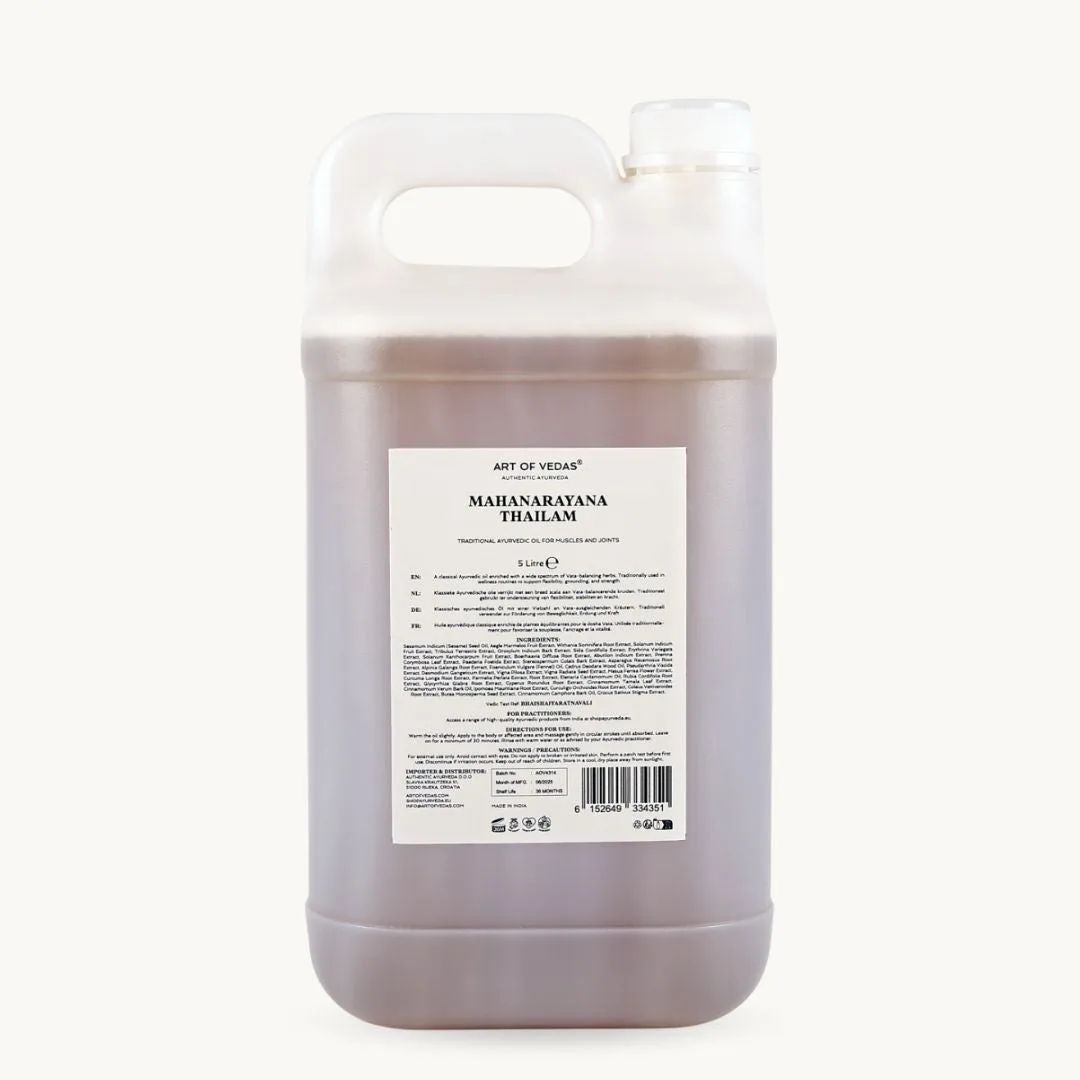
Essential information includes a batch number (unique identifier for specific production run enabling traceability), manufacturing date (when the oil was prepared, helping assess freshness), and expiration date (how long oil remains potent and safe, typically 2-3 years from manufacturing for quality oils).
Why This Matters: Batch information enables recalls if contamination is discovered, allows quality assessment over time, and professional manufacturers always provide this information.
Red Flags: No batch number (impossible to track), no expiration date (either careless or hiding age), handwritten dates (suggests small-scale non-professional production), or dates that don't make sense (expiration before manufacturing, unrealistic shelf life like 10 years).
6. Packaging Quality
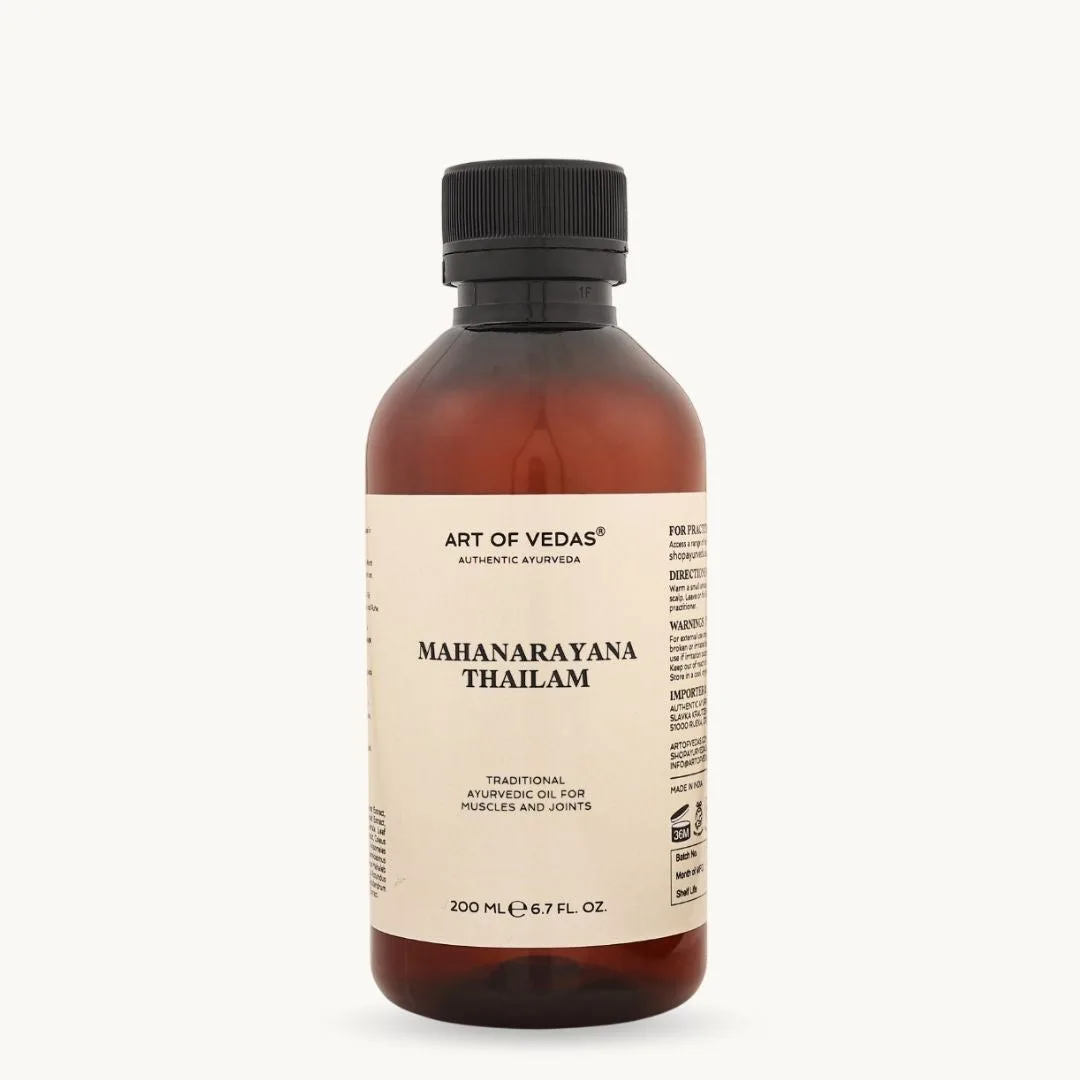
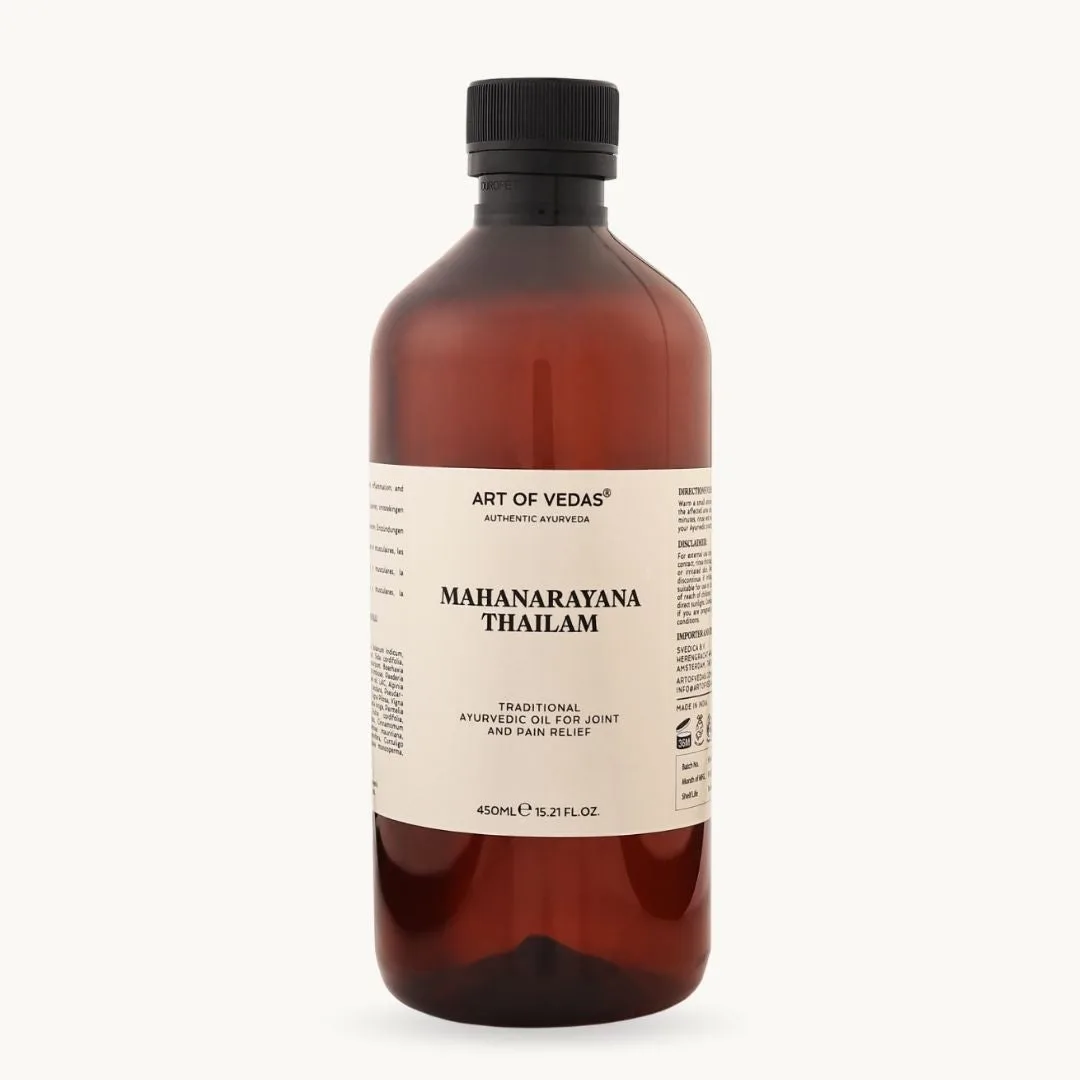
Optimal Packaging: Dark glass bottles (amber, cobalt blue, or violet glass) that protect from light oxidation. Wide mouth allows easy pouring but good seal prevents air exposure. Tamper-evident seal or safety seal ensures you're the first user. Professional, clear, complete labeling with all text legible, multiple language labeling if sold internationally, and no typos or errors.
Concerning Packaging: Clear glass (light exposure degrades oil), cheap plastic bottles, poor labeling (smeared, hard to read, missing information), no seal (could be tampered with), or generic bottles with sticker labels (suggests re-bottling from bulk source with unknown quality).
European Market Specific: Products sold in the EU must have labeling complying with EU Cosmetics Regulation including INCI names for ingredients, warnings and usage instructions in local languages, and manufacturer or distributor address in the EU. Absence of EU-compliant labeling suggests products imported through unofficial channels with unknown quality and safety.
7. Manufacturer Transparency
Trustworthy Indicators: Clear company name and full address, established presence (check when company was founded), professional website with educational content, contact information (phone, email, customer service). Manufacturing information including location of facility, whether they manufacture themselves or contract, GMP certification of facility, and traditional pharmacy heritage. Educational content with detailed product descriptions, articles about Ayurveda, ingredients, and traditional preparation, and transparency about sourcing and quality control.
Red Flags: Anonymous brands (no clear manufacturer identity), Amazon-only presence with no website, PO Box addresses only (suggests distributor, not manufacturer), no way to contact the company, unwillingness to answer questions about preparation or sourcing, medical claims (illegal in EU, suggests non-compliant company), or overly salesy marketing focused on promises rather than product quality.
How to Research: Search company name + "reviews," check company website for "About" section, look for third-party articles or mentions, check how long the domain has existed, and see if the company has a physical presence.
Red Flags: Warning Signs of Inferior or Fake Products
Let's identify specific warning signs that should make you question product authenticity.
Pricing Red Flags
Too Cheap: Under €25 for 200ml is suspicious. Under €15 for 200ml is almost certainly fake or extremely simplified. Authentic preparation costs money (57 herbs, multi-day process, quality control).
Implausibly Expensive: Over €70 for 200ml (unless from ultra-premium traditional pharmacy with exceptional documented quality) may be marketing to the luxury market rather than reflecting actual quality.
Steep Discounting: Products regularly sold at 50-70% off suggests artificially inflated "regular price," creating false urgency and hiding poor value.
Labeling Red Flags
Vague Ingredients: "Herbal extract blend," "Proprietary Ayurvedic formula," "Traditional herbs" without listing them, or listing 5-10 ingredients for what should be 50+.
Medical Claims: "Treats arthritis," "Cures joint pain," "Eliminates inflammation" - these claims are illegal for cosmetic products in the EU and suggest a non-compliant, untrustworthy company.
Over-the-Top Marketing: "Miracle oil," "Ancient secret," "Removes pain instantly" - focus on dramatic promises rather than authentic formulation.
Contradictory Information: Dates that don't make sense, claiming both "cold-pressed" and "traditionally cooked" (mutually exclusive), listing ingredients not traditionally in Mahanarayana Thailam, or calling it both Mahanarayana and Dhanwantharam (different formulations).
Manufacturing and Source Red Flags
Unknown Origin: "Imported" with no country specified, no manufacturer name or address, or distributed by someone different from the manufacturer with no transparency about the actual source.
Unofficial Import: Products with no EU compliance labeling, all-Hindi or all-Sanskrit labels with no European language - suggesting products imported through personal/unofficial channels with unknown safety and quality.
Dropshipping Indicators: Same product images across multiple seller websites, generic product descriptions, sellers with no brand identity or connection to Ayurveda - suggesting they don't actually handle the product, just resell from an unknown source.
Quality Experience Red Flags (After Purchase)
Physical Properties: Separation (oil and water layers - poor preparation or rancidity), sediment or particulates (contamination or poor filtration), rancid smell (oxidized oil, expired or poorly stored), or burning/irritating sensation (contamination or poor quality).
Adverse Reactions: Unusual skin irritation (suggests contamination or adulterants), allergic reactions beyond normal botanical sensitivities, or persistent rash or inflammation. If you experience these, discontinue use immediately.
Lack of Effect: No noticeable characteristics (smells and feels exactly like plain sesame oil), or zero benefits after 4-6 weeks of consistent use. While some individual variation exists, complete absence of any warmth, aroma, or effects suggests an inferior product.
Price vs. Value: Understanding Fair Pricing
Let's break down realistic pricing for authentic Mahanarayana Thailam in European markets.
Cost Factors in Authentic Production
Raw Materials (€12-18 per 200ml bottle): 57 herbs at varying costs (some inexpensive, some rare and costly), Ashtavarga group expensive if included, organic herbs cost 30-50% more than conventional, quality sesame oil base, and camphor plus saffron if used.
Labor and Manufacturing (€8-12 per 200ml bottle): Multi-day traditional preparation is labor-intensive, skilled Ayurvedic pharmacists command fair wages, quality control testing, GMP facility costs, and batch documentation.
Packaging and Logistics (€3-6 per 200ml bottle): Quality glass bottles and caps, EU-compliant multi-language labeling, shipping from India to Europe (if manufactured in India), warehousing and distribution, import duties and taxes.
Total Production Cost: €23-36 per 200ml bottle. With standard retail markup of 30-50% to cover operations, marketing, customer service, and profit margin, the fair retail price is €35-55 for 200ml. This explains why authentic Mahanarayana Thailam costs what it does - it's not overpriced, it reflects genuine production costs.
What Different Price Points Indicate
The €35-45 range is standard for quality authentic products and represents fair value for classical preparation - most reputable brands fall here. The €45-55 range represents premium positioning, possibly indicating organic certification, exceptional sourcing, or traditional pharmacy heritage. The €25-35 range is the lower end for authentic products, possibly direct-from-manufacturer pricing or Tier 2 modified formulation. The €15-25 range is likely simplified or cold-infused, not necessarily dangerous but not classical authentic. The €5-15 range is almost certainly fake, severely simplified, or mislabeled - avoid entirely.
Practical Evaluation: The Pre-Purchase Checklist
Before buying Mahanarayana Thailam, systematically evaluate using this checklist.
Online Purchase Checklist (Before Adding to Cart)
Ingredient List Review: Lists at least 45+ specific herbs (ideally 50-57), includes Dashamoola (10 roots), includes Ashwagandha, Bala, Shatavari, specifies sesame oil base, mentions camphor, and provides botanical names or clear identifications.
Preparation Method: States "Taila Paka Vidhi" or "traditional cooking method," mentions classical or Bhaishajya Ratnavali preparation. No "cold infused" or vague "herbal oil" language.
Manufacturer Information: Clear company name and address, established brand (check founding date), professional website with educational content, contact information available, based in or clearly imports from traditional Ayurveda region (Kerala, Karnataka, etc.).
Certifications: GMP certification mentioned. Optional but good: Organic, ISO, AYUSH license. EU compliance for European market.
Pricing Reality Check: Price range €35-55 for 200ml (or proportional for other sizes). If outside this range, verify exceptional quality factors or identify as Tier 2-3.
Label and Batch Information: Product images show batch number on label, expiration date visible, professional labeling quality, appropriate packaging (dark glass or quality plastic).
Customer Reviews: Genuine reviews from verified purchases (not just testimonials on brand website), multiple reviews across different platforms, reviews describe sensory properties matching authentic characteristics, and a mix of reviews (all 5-star is suspicious).
Red Flag Check: No medical claims ("treats," "cures," "eliminates"), no suspiciously low pricing, no vague ingredients, no anonymous/unknown manufacturer.
Scoring: 12-14 items checked indicates excellent, likely authentic Tier 1. 9-11 checked is good, likely Tier 1-2. 6-8 checked is marginal, possible Tier 2-3 - research more. Under 6 checked is poor, likely Tier 3-5 - avoid or accept as non-authentic.
In-Store Purchase Checklist
Visual Inspection: Bottle sealed (tamper-evident seal intact), color visible as deep golden to amber (if bottle allows assessment), no separation, sediment, or cloudiness visible, and professional packaging and labeling.
Label Reading: All items from the online checklist that apply (ingredients, preparation, batch info, etc.), expiration date at least 1 year in future (fresher is better), and label undamaged and clearly legible.
Staff Knowledge: Ask staff about the preparation method (knowledgeable staff is a good sign), ask about the manufacturer (good stores know their suppliers), and ask if they've used it themselves (personal experience suggests store confidence).
Post-Purchase Verification
Within 24 Hours of Opening: Perform an initial sensory assessment checking for deep golden to amber color, complex herbal aroma (not just sesame oil), noticeable camphor scent, and medium-thick consistency. Conduct a skin test by applying a patch to the inner wrist or elbow, wait 24 hours for any reaction - mild warmth is normal, intense burning is not.
After 1 Week of Use: Check for a warming sensation during/after application, skin that feels nourished (not greasy or irritated), a pleasant use experience, and no adverse reactions.
After 3-4 Weeks of Consistent Use: Assess for some improvement in comfort or mobility (for those using for joint support), general wellness enhancement (for those using for general Abhyanga), and a sustainable, pleasant practice.
If multiple post-purchase checks fail, the product may not be authentic or may not suit your individual constitution. Consider switching to a verified Tier 1 product if you started with Tier 2-3, or consult an Ayurvedic practitioner if unsure whether the issue is product quality or constitutional mismatch.
Manufacturer Evaluation: Deep Dive
If you want absolute confidence, research the manufacturer thoroughly.
Characteristics of Reputable Manufacturers
Kerala-Based Traditional Pharmacies: Companies established 50+ years ago, family-owned businesses with generational Ayurvedic knowledge, often with attached clinics or Panchakarma centers. They export globally but maintain traditional production methods. Look for detailed "About Us" sections describing traditional heritage, photos or videos of traditional pharmacy operations, published research or academic affiliations, and transparent sourcing from Kerala/Western Ghats regions.
Northern Indian Established Brands: Particularly from regions historically strong in Ayurveda, some operating 100+ years. May be larger and more commercial but often maintain quality, with extensive product lines.
Modern GMP Facilities with Traditional Consultants: Newer companies (20-30 years) combining modern manufacturing with traditional knowledge. They employ traditionally trained Vaidyas as consultants, operate state-of-the-art GMP facilities with traditional preparation methods, and often focus on export markets (EU, US), so are familiar with international standards.
Red Flag Manufacturers
Avoid companies that cannot be verified (no history, no clear identity), make medical claims, have no traditional Ayurvedic connection, operate primarily as dropshippers/resellers, have a pattern of complaints about quality, or are defensive or non-responsive to quality questions.
Verification Steps
Step 1 - Online Research: Search "[Company Name] reviews" and "[Company Name] complaints." Check domain age (should be several years minimum) and look for third-party articles or features.
Step 2 - Direct Contact: Email asking about Taila Paka Vidhi preparation, request a certificate of analysis, and ask about herb sourcing. Professional, detailed responses indicate a trustworthy company.
Step 3 - Cross-Reference: Check if products are sold by reputable Ayurvedic retailers, see if recommended by Ayurvedic practitioners, and look for presence at Ayurvedic conferences or events.
Step 4 - Sample Testing: If possible, order the smallest size first. Assess quality before committing to a larger purchase, and compare to known quality products if available.
Regional and Cultural Considerations
European Market Specifics
Ayurvedic oils are classified as cosmetics under EU Regulation and cannot make medical claims. Products must have EU-compliant labeling and should have an EU-based distributor or representative. Many authentic products are manufactured in India and imported to Europe - look for an EU representative address on the label and ensure proper import procedures were followed.
Choosing Respectful Products
Respectful products acknowledge traditional Ayurvedic origins, provide accurate information about classical formulations, support authentic Indian manufacturers, and price fairly (not overpricing for an "exotic" factor). Exploitative products strip cultural context, rebrand as generic "ancient healing oil," have no connection to actual Ayurvedic tradition, and use overpriced luxury positioning based on mysticism. Respectful products credit Bhaishajya Ratnavali, explain Ayurvedic context, and often partner with Indian manufacturers. Choose products that honor and support authentic Ayurvedic tradition.
When "Good Enough" Might Be Acceptable
Not everyone needs absolutely perfect Tier 1 authentic Mahanarayana Thailam. Sometimes Tier 2 is a reasonable choice.
Situations Where Tier 2 Works
Budget Constraints: You genuinely cannot afford €40-50 per bottle. A Tier 2 product at €28-35 is better than no Ayurvedic oil practice at all, or using an extremely cheap, ineffective oil.
Exploratory Phase: You're new to Ayurveda and want to try before investing in premium. Tier 2 lets you experience Abhyanga practice. If beneficial, upgrade to Tier 1 later.
Supplement to Higher-Quality Oil: Use Tier 1 for intensive applications (problem joints), Tier 2 for general full-body Abhyanga - economical while maintaining quality where it matters most.
Availability Issues: Your Tier 1 product is temporarily out of stock. Tier 2 bridges the gap until the premium product is available.
When Only Tier 1 Is Acceptable
Therapeutic Use: Using for specific joint or muscle issues where you need the full therapeutic benefit of the complete formulation.
Sensitive Skin: Higher quality means better purification and fewer potential irritants.
Professional Practice: Ayurvedic practitioners should use authentic products for credibility and efficacy.
Long-Term Commitment: If daily practice is established, invest in the best quality. Daily use over years makes the quality difference significant.
Be honest with yourself: are you choosing Tier 2-3 because it's genuinely better value for your situation, or because you don't want to pay for quality? The former is fine; the latter shortchanges your health investment.
Testing and Verification After Purchase
If you're uncertain about product authenticity, consider these verification steps.
At-Home Tests
Appearance Test: Pour a small amount in a white bowl or plate. Deep golden to amber color suggests authentic. Pale yellow suggests cold-infused or simplified. Viscosity should be noticeably thicker than plain sesame oil.
Aroma Test: Warm a small amount in your palm. Authentic oil releases a complex herbal aroma when warmed. Count distinct scents: authentic has 5+ distinct notes. Cold-infused has 1-2 simple notes plus sesame.
Skin Absorption Test: Apply to the inner forearm. Authentic oil penetrates within 30-45 minutes and leaves a nourished feeling, not heavy greasiness. Cold-infused sits on the surface longer and feels more greasy.
Heat Test: Gently warm in a hot water bath. Authentic oil's aroma intensifies significantly. Simplified oils show minimal aroma change.
Laboratory Testing (Advanced)
If you suspect serious quality issues or want definitive verification, specialized labs can perform phytochemical analysis (comparing to reference standards for authentic Mahanarayana Thailam, costing €200-500 but definitive), heavy metal testing (ensuring safety for daily use, testing for lead, mercury, arsenic, cadmium, costing €100-200), and microbial testing (checking for bacterial or fungal contamination, important if experiencing skin reactions, costing €80-150). For most individual consumers, sensory assessment and manufacturer verification are sufficient. Laboratory testing is for specific situations requiring absolute certainty.
Building Relationship with Trusted Suppliers
Once you identify quality suppliers, cultivate that relationship.
Benefits of Loyalty
Quality Consistency: Ongoing use lets you know the product, detect if quality changes, and suppliers value loyal customers and maintain standards.
Better Pricing: Loyalty discounts or subscription programs, advance notice of sales, and bulk pricing for regular users.
Product Knowledge: Suppliers educate loyal customers, provide access to new products or formulations, and share insider information about sourcing and preparation.
How to Build Supplier Relationships
Be a good customer by providing feedback (both positive and constructive), asking informed questions, and respecting their expertise. Communicate your needs - let them know if you're a practitioner, enthusiast, or casual user. Share your experience through honest reviews that help both the supplier and other customers. Stay informed by following the supplier on social media or through their newsletter. And remember: loyalty should be to quality, not brands. If supplier quality declines, be willing to switch.
Conclusion: Empowered, Informed Purchasing
Navigating the Mahanarayana Thailam market requires knowledge, but you now have the tools to choose with confidence.
The Core Principles:
Authenticity Matters: Traditional preparation creates superior products. Don't settle for simplified versions unless consciously choosing a good-enough option for your situation.
Quality Markers Are Verifiable: Complete ingredients, traditional preparation statement, certifications, proper batch information, sensory characteristics - all confirm authenticity.
Price Reflects Reality: €35-55 for 200ml is fair for authentic products. Extremely cheap products are a false economy. Slightly expensive products may be justified by exceptional quality.
Manufacturer Transparency Is Key: Reputable manufacturers are proud of their processes and eager to educate. Secrecy or defensiveness suggests problems.
Trust But Verify: Even with good suppliers, periodically reassess quality. Markets change, companies change hands, standards can slip.
When you choose genuine Mahanarayana Thailam, you're not just buying a product - you're investing in therapeutic efficacy (actual benefits from the complete formulation), safety (quality control, testing, pure ingredients), tradition (supporting authentic Ayurvedic pharmacy), and sustainability (reputable companies source responsibly).
The difference between €25 cold-infused oil and €45 authentic Mahanarayana Thailam is not just €20 - it's the difference between going through the motions and experiencing genuine Ayurvedic wisdom.
If you commit 15-30 minutes daily to Abhyanga, if you invest time learning proper techniques, if you adjust your schedule to accommodate this ancient self-care practice - then you deserve to experience it with an authentic, quality formulation. Don't let cost-cutting on the oil itself undermine your time and intention investment.
Start with this guide's checklists. Research manufacturers carefully. Choose Tier 1 when possible, Tier 2 when necessary, never Tier 3-5. Build a relationship with a quality supplier. Trust your sensory assessment. If something seems off - wrong color, strange smell, poor consistency, unusual reactions - it probably is. And remember: authentic Mahanarayana Thailam, prepared according to centuries-old pharmaceutical wisdom, is worth finding. The classical formulation has endured for good reason - it works. But only if it's genuine.
Continue Your Journey with Authentic Mahanarayana Thailam
Experience verified, quality-assured classical formulation: Shop Authentic Mahanarayana Thailam - Complete 57-herb formulation, traditional Taila Paka Vidhi preparation, GMP certified.
Deepen your knowledge:
- The Complete Guide to Mahanarayana Thailam - Understanding the authentic formulation
- Inside the 57 Herbs - Verify complete ingredient profile in authentic products
- Classical Texts & History - Traditional preparation standards from Bhaishajya Ratnavali
- Science Behind Mahanarayana Thailam - Why quality preparation matters for efficacy
- How to Use Mahanarayana Thailam - Get maximum benefit from quality oil
Explore other authentic formulations: View Complete Thailam Collection - Quality-assured traditional Ayurvedic oils.