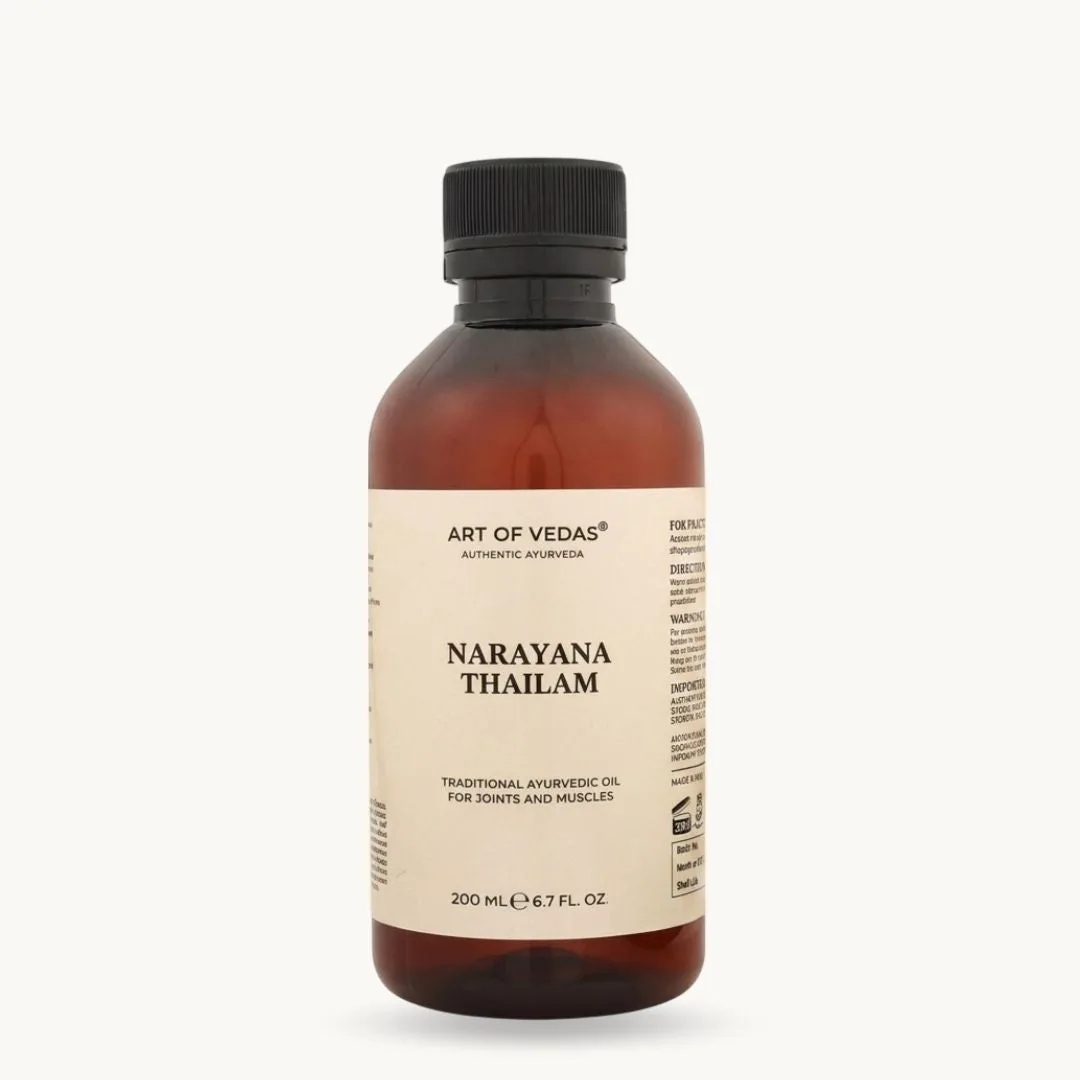
In brief: Narayana Thailam is a classical Ayurvedic massage oil in a sesame seed oil base. The Art of Vedas oil declares 24 plant ingredients, among them Shatavari, Ashwagandha, Bala, nine roots of the Dashamoola group and the aromatics Indian dill, deodar, cardamom and galangal, with rock salt. This page lists every declared ingredient, grouped by what it is, with its Sanskrit and botanical name.
The declared ingredient list of Art of Vedas Narayana Thailam
The list below is the ingredient declaration of the Art of Vedas Narayana Thailam, as printed on the product page. It names the plant, the part used and the botanical name. Narayana Thailam is also written Narayana Thailam, Narayana Taila or Narayana oil, and in southern India Vatha Narayana or Cheriya Narayana Thailam; the spelling changes, the formula does not.
Base and finishing ingredients
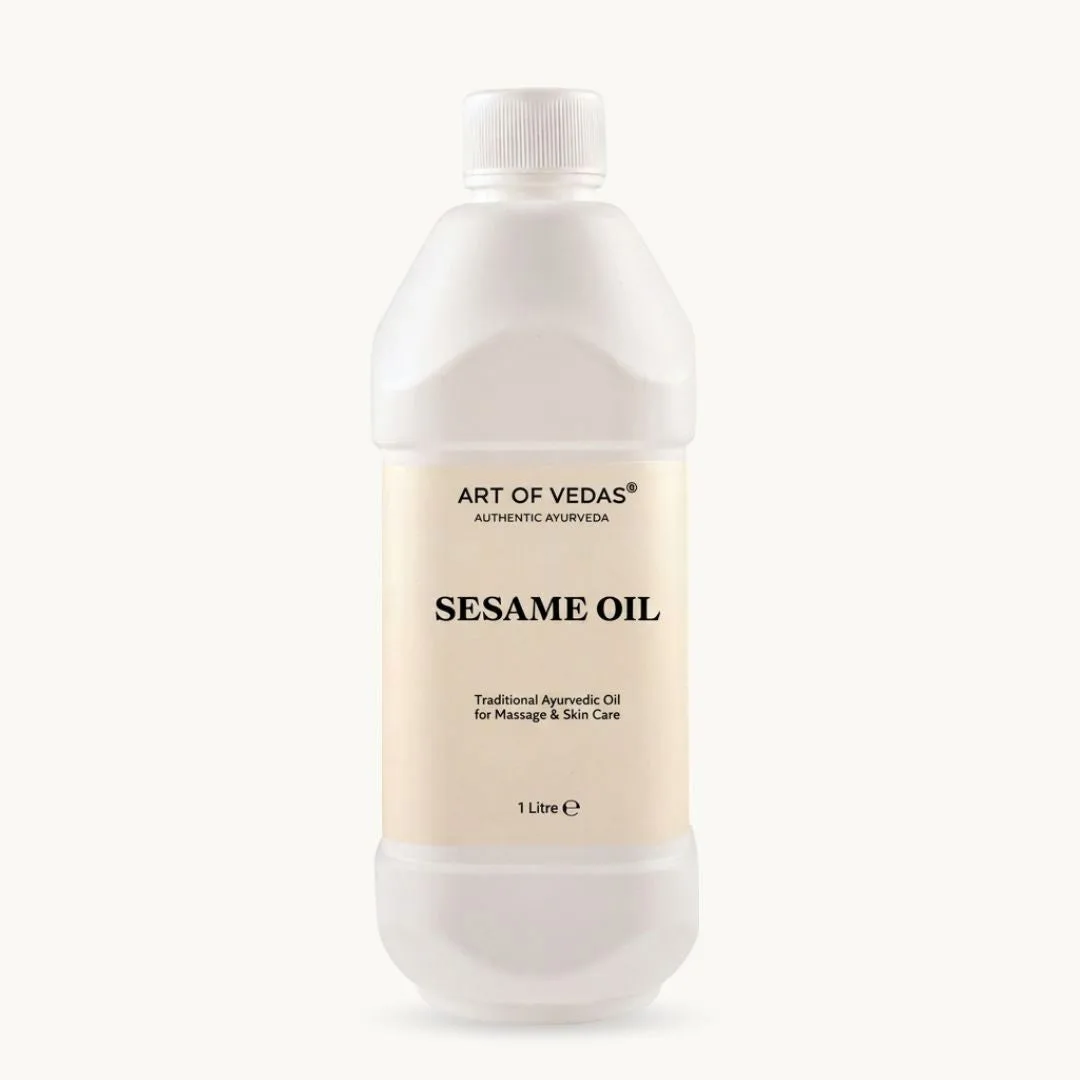
- Sesame seed oil (Tila Taila, Sesamum indicum): the oil base in which all the plants are cooked
- Rock salt (Saindhava, declared as Sodium Chloride)
Roots of the Dashamoola group
Dashamoola means ten roots. It is the group of tree and shrub roots that opens most classical Vata formulas, and nine of its ten plants are declared in this oil:
- Bilva, bael (Aegle marmelos), declared as fruit extract
- Shyonaka, Indian trumpet tree (Oroxylum indicum), root
- Patala (Stereospermum colais), root
- Agnimantha (Premna corymbosa), root
- Brihati, Indian nightshade (Solanum indicum), root
- Kantakari, yellow-fruit nightshade (Solanum xanthocarpum), whole plant
- Shalaparni (Desmodium gangeticum, declared as Salparni), root
- Prishniparni (Pseudarthria viscida), root
- Gokshura (Tribulus terrestris), fruit
Strengthening and nourishing roots and seeds
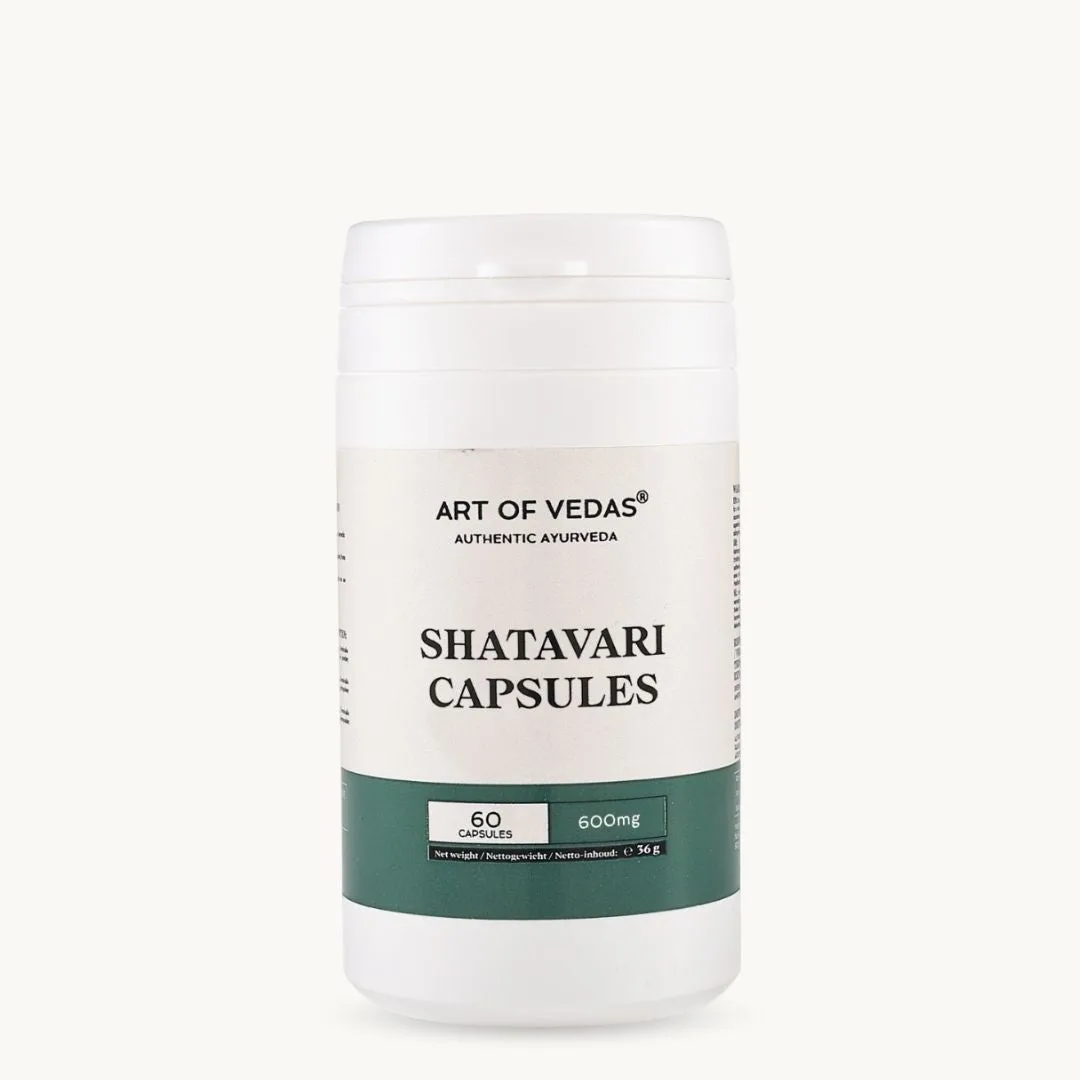
- Shatavari (Asparagus racemosus), root: the first item on the declaration
- Ashwagandha (Withania somnifera), root, declared twice, as extract and as powder
- Bala, country mallow (Sida cordifolia), root
- Atibala, Indian mallow (Abutilon indicum), root
- Punarnava (Boerhaavia diffusa), root, declared twice, as extract and as powder
- Mudgaparni, wild mung (Vigna pilosa), seed
- Mudga, mung bean (Vigna radiata), seed
Bark, whole plants and lichen
- Paribhadra, Indian coral tree (Erythrina variegata), bark
- Prasarini (Paederia foetida), whole plant
- Shaileyam, stone flower (Parmelia perlata), thallus
Aromatic seeds, wood and rhizome
- Shatapushpa, Indian dill (Anethum sowa), seed
- Devadaru, deodar cedar (Cedrus deodara), wood
- Ela, cardamom (Elettaria cardamomum), seed
- Rasna, galangal (Alpinia galanga), rhizome
Naturally present fragrance components
Limonene, linalool and carvone are declared at the end of the list. They are not added fragrances. They occur naturally in dill seed, cardamom and galangal, and EU cosmetics rules require them to be named once they pass a set concentration, so that people who react to them can see it.
How the ingredients go into the oil
A Thailam is not a mixture of oil and powder. In the classical method, called Sneha Paka, the tougher roots are first simmered into a decoction, the softer plants are ground to a paste, and both are cooked slowly into the sesame oil until the water has gone and the paste meets the traditional finishing tests. The declaration reflects this: the items marked extract went in as decoction, the items marked powder as paste. Ashwagandha and Punarnava appear twice because they are used in both ways. The practical side, how to warm and apply the oil and who should not use it, is covered in our Narayana Thailam guide.
Because every plant is cooked into the base, the finished oil has one character rather than the separate characters of two dozen plants. In Ayurvedic terms it is described as warming and is classically placed with Vata. That is also why the same oil is never reproduced by adding a few drops of essential oil to plain sesame oil.
Classical recipe and declared list: why the numbers differ
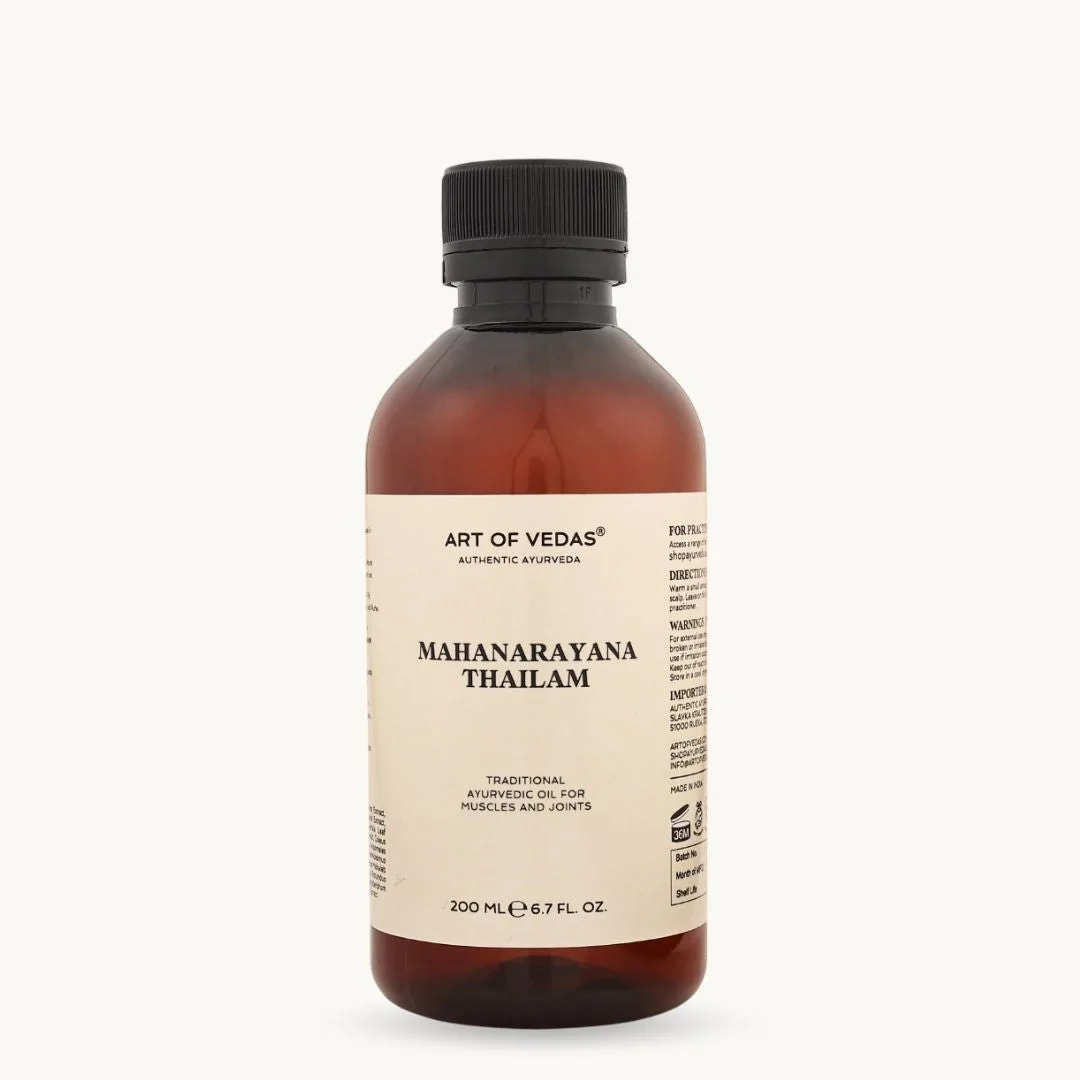
The Ashtanga Hridayam, the Charaka Samhita and the Sahasrayogam set out Narayana Thailam with a longer list than the one above; classical descriptions mention upwards of thirty ingredients. A product sold in Europe declares what is actually in the bottle, and some classical items are left out today for reasons of availability or of regulation. The declared list above is therefore the reference for the Art of Vedas oil, and a shorter list than the classical text is not a sign of a lesser oil. When you compare oils from different makers, compare their declared lists rather than their claims about how many herbs they contain. Mahanarayana Thailam, the expanded version of the same recipe, declares a longer list again.
Frequently asked questions about the ingredients
How many ingredients does Narayana Thailam contain? The Art of Vedas oil declares 24 plant ingredients, the sesame seed oil base among them, plus rock salt and three naturally present fragrance components. The classical texts describe upwards of thirty, several of which are not used in a product sold in Europe.
What is the base oil of Narayana Thailam? Sesame seed oil (Tila Taila). All the plants are cooked into it by the classical Sneha Paka method; no other carrier oil is declared.
Is Narayana Thailam vegan? The declared list contains no ingredient of animal origin: every item is a plant material, mineral salt or a naturally present fragrance component. Unlike Mahanarayana Thailam, no shellac is declared.
Does Narayana Thailam contain nuts or sesame? It contains sesame: sesame seed oil is the base. No tree nuts or peanut are declared. Anyone who reacts to sesame should not use it.
Why are limonene, linalool and carvone on the label? They occur naturally in Indian dill seed, cardamom and galangal, the aromatic plants in the oil. EU rules require them to be named above a set concentration so that sensitive people can check for them. They are not added perfume.
Are all ten Dashamoola roots in the oil? Nine of the ten plants are declared: Bilva, Shyonaka, Patala, Agnimantha, Brihati, Kantakari, Shalaparni, Prishniparni and Gokshura. Gambhari is not on the declared list. Bilva is declared as fruit rather than root.
Which ingredient gives the oil its warming character? No single one. The warming quality comes from the whole formula cooked into sesame oil, with the aromatics (deodar, cardamom, galangal, Indian dill) and the Vata roots (Ashwagandha, Bala, the Dashamoola group) in the lead.
Where can I check the exact list before buying? On the product page, which carries the same declaration as the label, and on the label of the bottle. If you have a known sensitivity, show the list to your doctor or pharmacist first, and do a small skin test on the inner forearm before the first full application.
Read further