Neelibhringadi oil takes its name from its two lead herbs, Neeli and Bhringraj, and its reputation as a traditional hair oil comes straight from its ingredients. Understanding the Neelibhringadi oil ingredients, and how the oil is applied, is the best way to use it well. This guide explains the herbs at the centre of the formula, the base it is prepared in, a simple application routine, and the sensible considerations, including a note on the indigo it contains.
The Three Herbs at the Heart of the Formula
Three botanicals define the oil. Neeli (indigo, Indigofera tinctoria) gives the oil its deep colour and its long association with dark-looking hair. Bhringraj (Eclipta alba, sometimes called the king of hair herbs) is the classical hair and scalp botanical of Ayurveda. Amla (Amalaki, Emblica officinalis) is the cooling, nourishing fruit used across hair care. Together, Neeli, Bhringraj and Amla are traditionally used in Ayurveda to support the scalp and the natural look and feel of the hair.
The Wider Ingredient List and Base
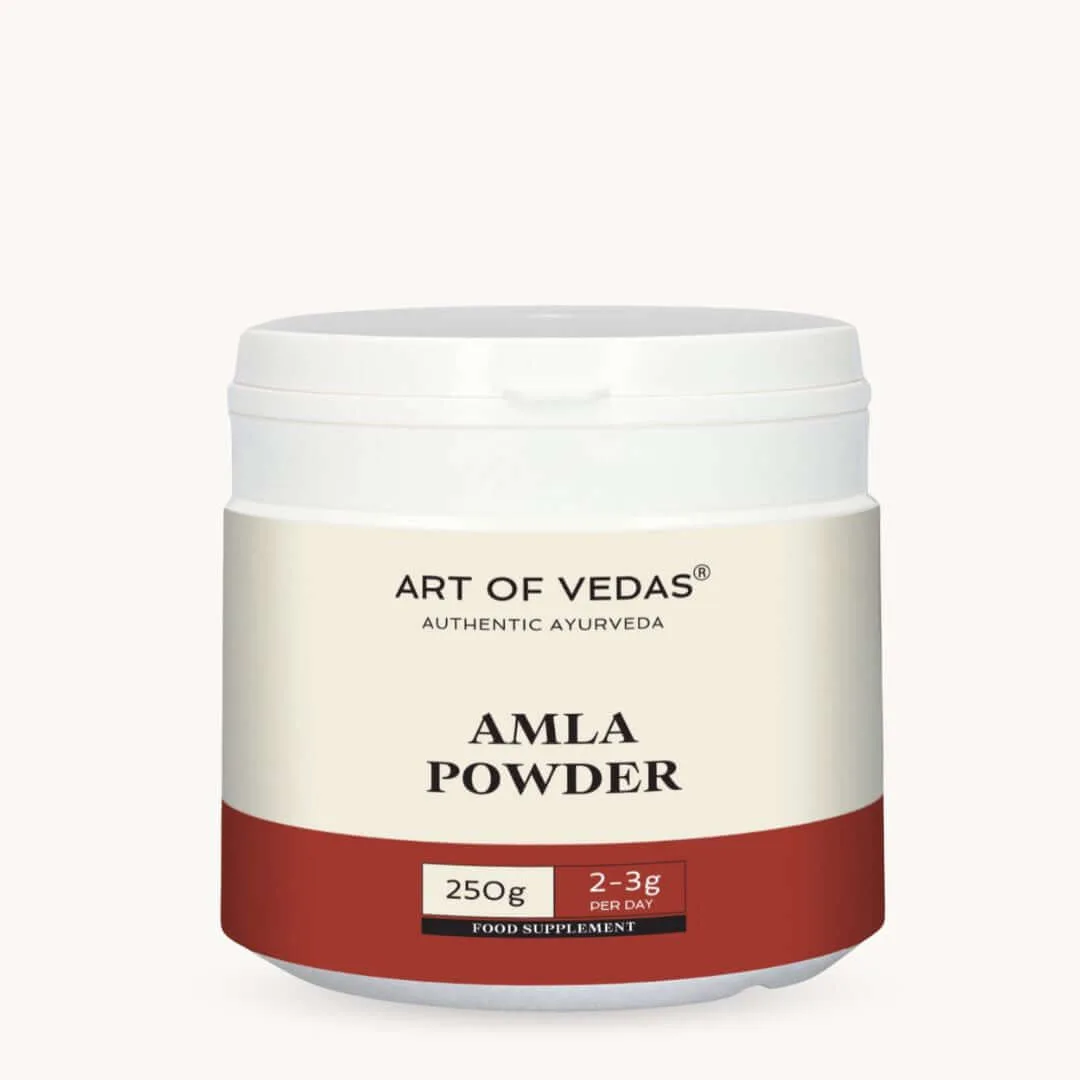
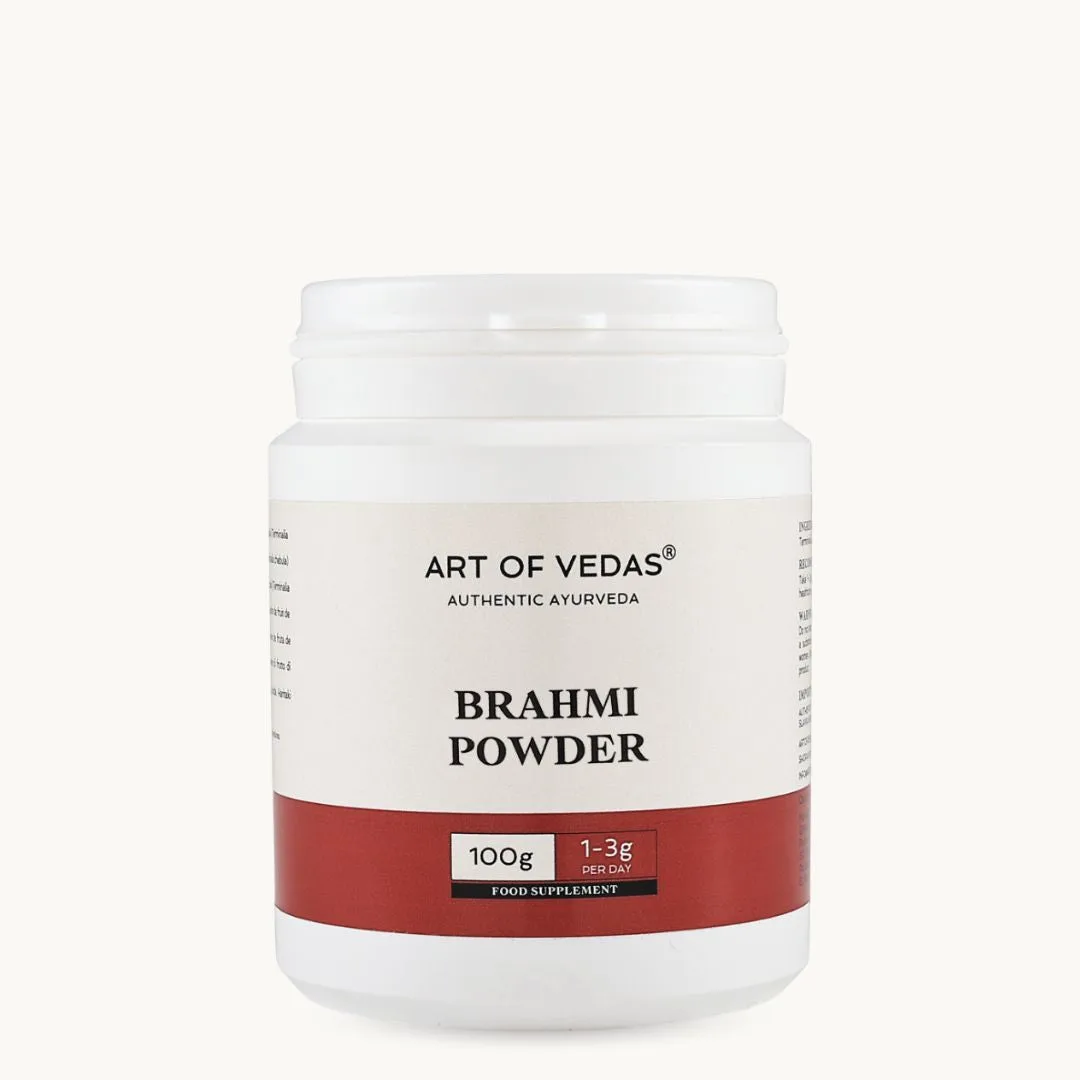
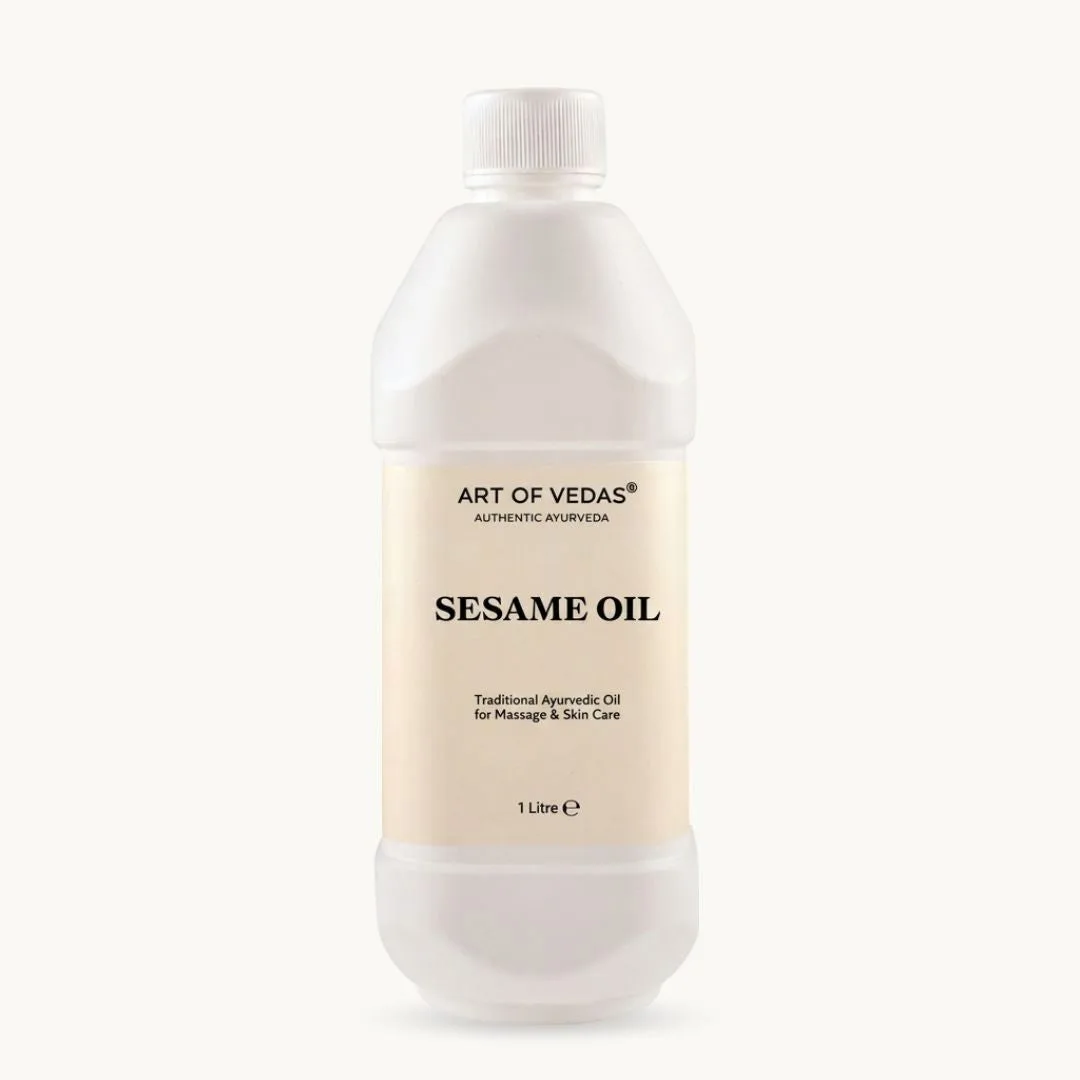
Beyond the three lead herbs, the classical recipe adds supporting botanicals such as Yashtimadhu (liquorice), Brahmi and other cooling herbs, prepared with milk and a herbal decoction in a base of coconut or sesame oil. The base gives the oil its slip for massage, while the herbs are cooked in through the traditional method. Brahmi is also used on its own as Brahmi powder, and Amla, covered in our Amla and Amalaki guide, is available as Amla powder. The finished hair oil is available as Neelibhringadi Thailam hair oil.
How to Use Neelibhringadi Oil
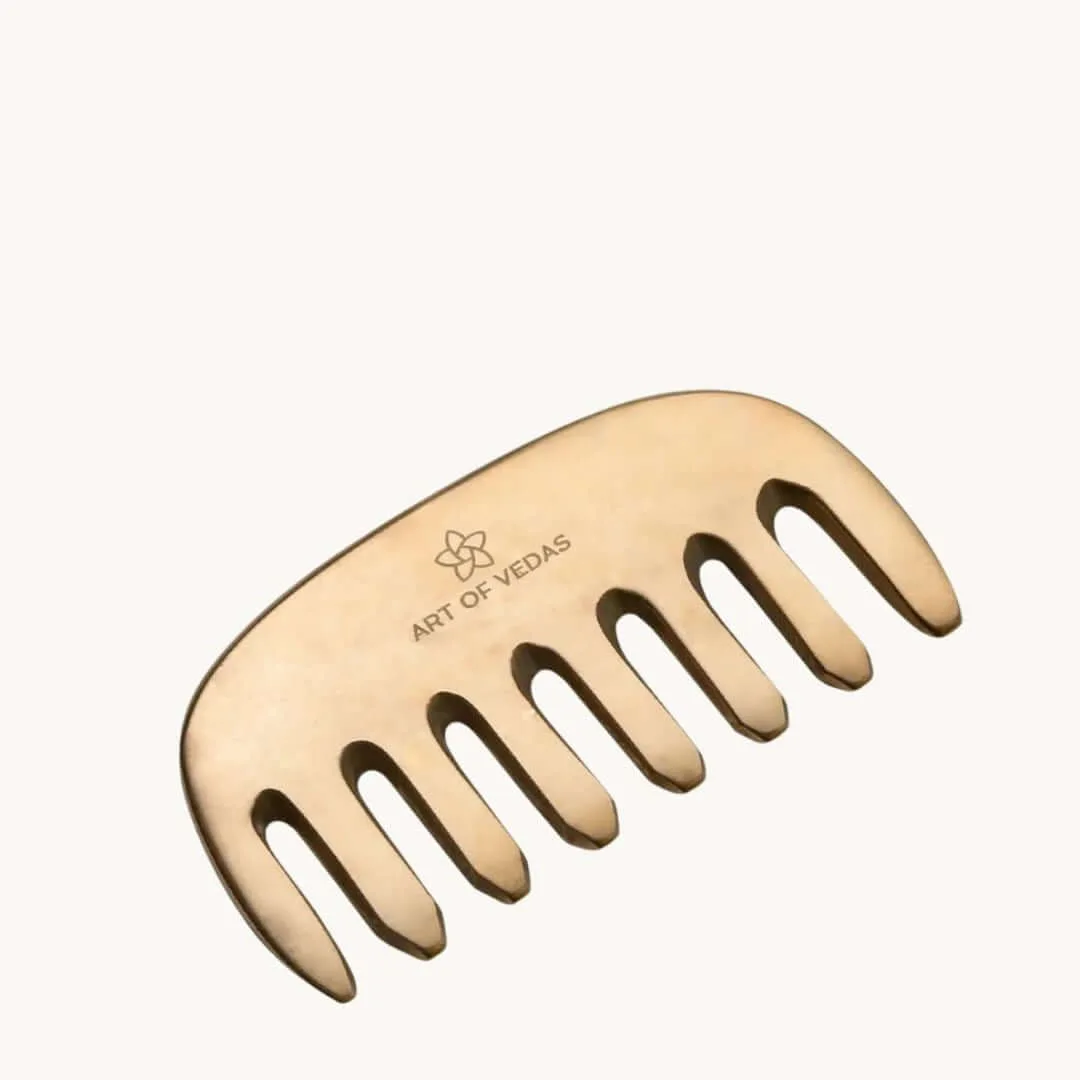
Warm a small amount of the oil, part the hair, and massage it into the scalp with the fingertips using slow circular movements. Work it along the length of the hair, then leave it in for thirty minutes to an hour, or overnight on a towel-covered pillow, before washing out with a gentle shampoo. Twice a week is a comfortable rhythm for most people. For the fuller routine and buying notes, see our Neelibhringadi hair oil guide, and to add a traditional tool, our weekly Kansa hair and scalp ritual pairs naturally with the oil.
What the Oil Is Traditionally Used For
- Regular scalp massage as part of a hair-care routine
- Support for the natural dark look and shine of the hair
- A cooling, settling oil for the head, suited to evening use
- Conditioning slip that makes combing and detangling easier
- A traditional weekly ritual paired with a Kansa comb or scalp tool
Considerations, Including the Indigo Note
Because Neelibhringadi contains Neeli (indigo), the oil is naturally deep in colour and can stain fabrics, pillowcases and light hair. Use an old towel, protect bedding, and be aware that the pigment can transfer. Patch test on the inner forearm and on a small section of hair before full use, especially if your hair is light or chemically treated. Keep the oil away from the eyes. If the scalp feels irritated, stop and rinse. These are ordinary precautions for a pigment-rich herbal oil rather than causes for concern.
Frequently Asked Questions
What are the main ingredients in Neelibhringadi oil?
The formula is led by Neeli (indigo), Bhringraj and Amla, supported by cooling herbs such as liquorice and Brahmi, and prepared with milk and a herbal decoction in a coconut or sesame base. Neeli gives the oil its dark colour, Bhringraj is the classical hair herb, and Amla adds cooling nourishment. The exact supporting list can vary between makers.
Does Neelibhringadi oil work for grey hair?
Neelibhringadi is a traditional hair-care oil used to support the natural look, tone and feel of the hair through regular scalp massage. It is not a colourant, and we make no claims about reversing greying. The indigo it contains contributes to its deep colour, and consistent traditional hair care is how the oil is best understood, rather than as a treatment for hair colour.
How often should I apply it?
Twice a week suits most people. Warm a small amount, massage it into the scalp, leave it in for thirty minutes to an hour or overnight, then wash out with a gentle shampoo. More frequent use is not necessary and can leave the hair heavy. Let the condition of your scalp and hair guide the rhythm across the seasons.
Does the oil stain?
Yes, it can. Because it contains indigo, the oil is deeply coloured and may stain fabrics, pillowcases and light or treated hair. Use an old towel, protect your bedding, and patch test on a small section of hair first. These are normal precautions for a pigment-rich herbal oil. Washing out thoroughly after the treatment helps avoid transfer.
Can I leave Neelibhringadi oil in overnight?
Many people do, covering the pillow with an old towel to protect it from the colour. Overnight use gives the oil longer to condition the scalp and hair before washing out in the morning. If you prefer a shorter session, thirty minutes to an hour still works well. Always wash out with a gentle shampoo afterwards.
For external use only. Not a substitute for professional medical advice.